

 대표어
권호기사보기
| 기사명 | 저자명 | 페이지 | 원문 | 기사목차 |
|---|
결과 내 검색
동의어 포함
| 등록번호 | 청구기호 | 권별정보 | 자료실 | 이용여부 |
|---|---|---|---|---|
| 0003074370 | 028.7 -A24-2 | 서울관 서고(열람신청 후 1층 대출대) | 이용가능 |

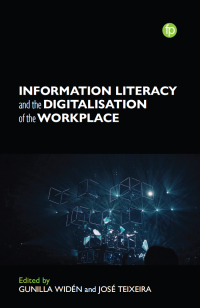
Digitalization has had an overwhelming impact on the workplace in recent years, making it more associable, editable, interactive, programmable, traceable, communicable and distributable. But this change comes with substantial changes to ways of working. New technologies almost always translate into new work processes, work arrangements, collaborative engagements and thus disrupt the information environment and consolidate equilibra at work. This book aims to bring forward the role of workplace information literacy as a key condition for successful digitalization or digital transformation in today’s workplace. Featuring contributions from leading scholars, it examines the multifaceted role of workplace information literacy in organizational operations and its role in the digitalization process, taking into account the role and perspectives of employer and employee.
This book aims to bring forward the role of workplace information literacy as a key condition for successful digitalization or digital transformation in today’s workplace.
*표시는 필수 입력사항입니다.
| 전화번호 |
|---|
| 기사명 | 저자명 | 페이지 | 원문 | 기사목차 |
|---|
| 번호 | 발행일자 | 권호명 | 제본정보 | 자료실 | 원문 | 신청 페이지 |
|---|
도서위치안내: / 서가번호:

우편복사 목록담기를 완료하였습니다.
*표시는 필수 입력사항입니다.
저장 되었습니다.
