
 대표어
권호기사보기
| 기사명 | 저자명 | 페이지 | 원문 | 기사목차 |
|---|
결과 내 검색
동의어 포함
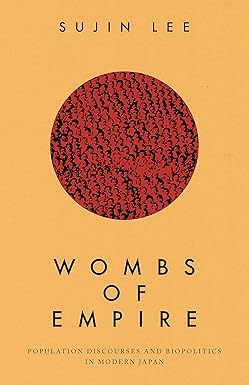
Japan's contemporary struggle with low fertility rates is a well-known issue, as are the country's efforts to bolster their population in order to address attendant socioeconomic challenges. However, though this anxiety about and discourse around population is thought of as relatively recent phenomenon, government and medical intervention in reproduction and fertility are hardly new in Japan. The "population problem (jinko mondai)" became a buzzword in the country over a century ago, in the 1910s, with a growing call among Japanese social scientists and social reformers to solve what were seen as existential demographic issues. In this book, Sujin Lee traces the trajectory of population discourses in interwar and wartime Japan, and positions them as critical sites where competing visions of modernity came into tension. Lee destabilizes the essentialized notions of motherhood and population by dissecting gender norms, modern knowledge, and government practices, each of which played a crucial role in valorizing, regulating, and mobilizing women's maternal bodies and responsibilities in the name of population governance. Bringing a feminist perspective and Foucauldian theory to bear on the history of Japan's wartime scientific fascism, Lee shows how anxieties over demographics have undergirded justifications for ethnonationalism and racism, colonialism and imperialism, and gender segregation for much of Japan's modern history.
| 등록번호 | 청구기호 | 권별정보 | 자료실 | 이용여부 |
|---|---|---|---|---|
| 0003106122 | 304.6320953 -A24-1 | 서울관 서고(열람신청 후 1층 대출대) | 이용가능 |

Japan's contemporary struggle with low fertility rates is a well-known issue, as are the country's efforts to bolster their population in order to address attendant socioeconomic challenges. However, though this anxiety about and discourse around population is thought of as relatively recent phenomenon, government and medical intervention in reproduction and fertility are hardly new in Japan. The "population problem (jinko mondai)" became a buzzword in the country over a century ago, in the 1910s, with a growing call among Japanese social scientists and social reformers to solve what were seen as existential demographic issues.
In this book, Sujin Lee traces the trajectory of population discourses in interwar and wartime Japan, and positions them as critical sites where competing visions of modernity came into tension. Lee destabilizes the essentialized notions of motherhood and population by dissecting gender norms, modern knowledge, and government practices, each of which played a crucial role in valorizing, regulating, and mobilizing women's maternal bodies and responsibilities in the name of population governance. Bringing a feminist perspective and Foucauldian theory to bear on the history of Japan's wartime scientific fascism, Lee shows how anxieties over demographics have undergirded justifications for ethnonationalism and racism, colonialism and imperialism, and gender segregation for much of Japan's modern history.
*표시는 필수 입력사항입니다.
| 전화번호 |
|---|
| 기사명 | 저자명 | 페이지 | 원문 | 기사목차 |
|---|
| 번호 | 발행일자 | 권호명 | 제본정보 | 자료실 | 원문 | 신청 페이지 |
|---|
도서위치안내: / 서가번호:

우편복사 목록담기를 완료하였습니다.
*표시는 필수 입력사항입니다.
저장 되었습니다.
