
 대표어
권호기사보기
| 기사명 | 저자명 | 페이지 | 원문 | 기사목차 |
|---|
결과 내 검색
동의어 포함
| 등록번호 | 청구기호 | 권별정보 | 자료실 | 이용여부 |
|---|---|---|---|---|
| 0003187818 | 378.1610973 -A25-1 | 서울관 국가전략정보센터(107호) | 이용가능 |

How to make post-SAT American higher education fairer
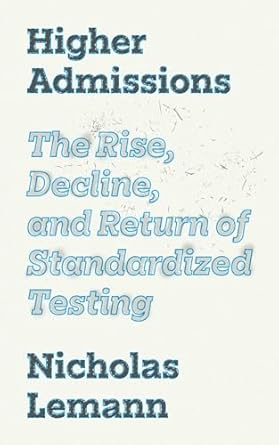
In the 1930s, American colleges and universities began to screen applications using the SAT, a mass-administered, IQ-descended standardized test. The widespread adoption of the test accompanied the development of the world’s first mass higher education system—and served to promote the idea that the United States was becoming a “meritocracy” in which admission to selective higher education institutions would be granted to those who most deserved it. In Higher Admissions, Nicholas Lemann reflects on the state of America’s aspirational meritocracy and the enduring value and meaning of standardized testing.
Lemann writes that the anticipation of the Supreme Court’s 2023 decision banning affirmative action, plus the Covid pandemic, led hundreds of universities to stop requiring standardized admissions tests; now a handful of elite universities are reinstituting test requirements. The country is preoccupied with the admissions policies of the most selective universities, but Lemann redirects our attention to an alternate path that American higher education could have taken, and can still take—one that emphasizes selective admission less and a significant upgrade of the entire higher education system more. Lemann argues that to improve the state of higher education overall, we should focus not on the narrow chokepoint of admission to highly selective colleges, but on efforts to create as much meaningful opportunity for flourishing in our vast higher education system for as many people as possible. The book includes thoughtful and challenging responses from Marvin Krislov, Patricia Gandara, and Prudence Carter.
*표시는 필수 입력사항입니다.
| 전화번호 |
|---|
| 기사명 | 저자명 | 페이지 | 원문 | 기사목차 |
|---|
| 번호 | 발행일자 | 권호명 | 제본정보 | 자료실 | 원문 | 신청 페이지 |
|---|
도서위치안내: 국가전략정보센터 / 서가번호: 4

우편복사 목록담기를 완료하였습니다.
*표시는 필수 입력사항입니다.
저장 되었습니다.
