
 대표어
대표어
권호기사보기
| 기사명 | 저자명 | 페이지 | 원문 | 기사목차 |
|---|
결과 내 검색
동의어 포함
| 등록번호 | 청구기호 | 권별정보 | 자료실 | 이용여부 |
|---|---|---|---|---|
| 0003187858 | LM 344.095 -A25-1 | 서울관 법률정보센터(206호) | 이용가능 |

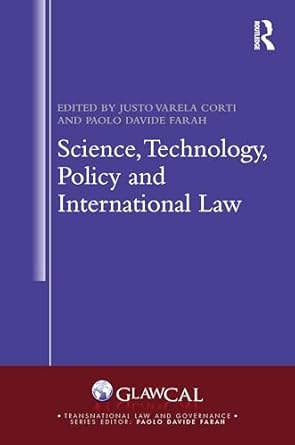
This book presents innovative insights into the intersections between science, technology and society, and particularly their regulation by the law. Departing from the idea that law and science have similar methods and objectives, the book deals with problems, and solutions, that source from these interactions: Concerns on how to integrate scientific evidence into trials, how to best regulate new technologies, or whether technological innovations could improve democratic legitimacy, create new regulatory tools or even new spaces of regulation and what is the impact on the society. The edited collection, by building on a functionalist and comparatist approach, offers answers to how to best integrate law, science and technology in policy-making, and reviews the current attempts made at the transnational and international levels. Case studies, ranging from emerging technologies via environmental protection to statistics, are complemented by a solid theoretical framework, all of which seek to provide readers with tools for critical thinking in the reassessment of the relationship among Science, Technology, Policy and International Law.
This book?presents innovative insights into the intersections between science, technology and society, and particularly their regulation by the law. Departing from the idea that law and science have similar methods and objectives, the book deals with problems, and solutions, that source from these interactions.
*표시는 필수 입력사항입니다.
| 전화번호 |
|---|
| 기사명 | 저자명 | 페이지 | 원문 | 기사목차 |
|---|
| 번호 | 발행일자 | 권호명 | 제본정보 | 자료실 | 원문 | 신청 페이지 |
|---|
도서위치안내: 법률정보센터(206호) / 서가번호: 5

우편복사 목록담기를 완료하였습니다.
*표시는 필수 입력사항입니다.
저장 되었습니다.
