
 대표어
대표어
권호기사보기
| 기사명 | 저자명 | 페이지 | 원문 | 기사목차 |
|---|
결과 내 검색
동의어 포함
| 등록번호 | 청구기호 | 권별정보 | 자료실 | 이용여부 |
|---|---|---|---|---|
| 0003221899 | 331.7670952 -A25-1 | 서울관 사회과학자료실(208호) | 이용가능 |

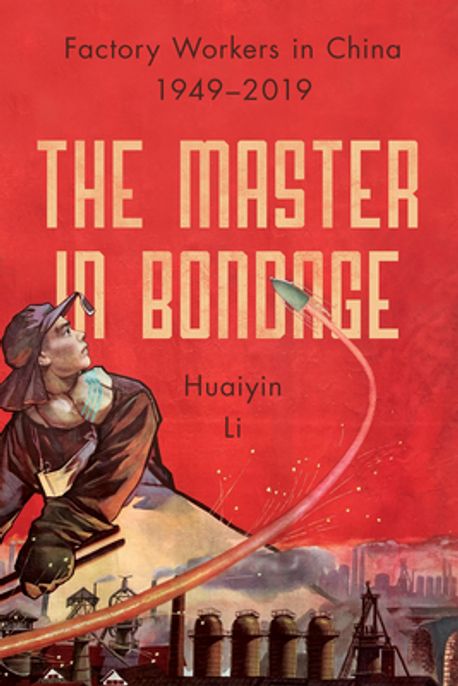
Drawing on a rich set of original oral histories conducted with retired factory workers from industrial centers across the country, this book provides a bottom-up examination of working class participation in factory life during socialist and reform-era China. Huaiyin Li offers a series of new interpretations that challenge, revise, and enrich the existing scholarship on factory politics and worker performance during the Maoist years, including the nature of the Maoist state as seen in the operation of power relations on the shop floor, as well as the origins and dynamics of industrial enterprise reforms in the post-Mao era.
In sharp contrast with the ideologically driven goal of promoting grassroots democracy or manifesting workers' status as the masters of the workplace, Li argues that Maoist era state-owned enterprises operated effectively to turn factory workers into a well-disciplined labor force through a complex set of formal and informal institutions that functioned to generate an equilibrium in power relations and work norms. The enterprise reforms of the 1980s and 1990s undermined this preexisting equilibrium, catalyzing the transformation of the industrial workforce from predominantly privileged workers in state owned enterprises to precarious migrant workers of rural origins hired by private firms. Ultimately, this comprehensive and textured history provides an analytically astute new picture of everyday factory life in the world's largest manufacturing powerhouse.
*표시는 필수 입력사항입니다.
| 전화번호 |
|---|
| 기사명 | 저자명 | 페이지 | 원문 | 기사목차 |
|---|
| 번호 | 발행일자 | 권호명 | 제본정보 | 자료실 | 원문 | 신청 페이지 |
|---|
도서위치안내: 사회과학자료실(208호) / 서가번호: 37

우편복사 목록담기를 완료하였습니다.
*표시는 필수 입력사항입니다.
저장 되었습니다.
