
 대표어
대표어
권호기사보기
| 기사명 | 저자명 | 페이지 | 원문 | 기사목차 |
|---|
결과 내 검색
동의어 포함
| 등록번호 | 청구기호 | 권별정보 | 자료실 | 이용여부 |
|---|---|---|---|---|
| 0003223488 | 952 -A25-3 | 서울관 인문자연과학자료실(314호) | 이용가능 |

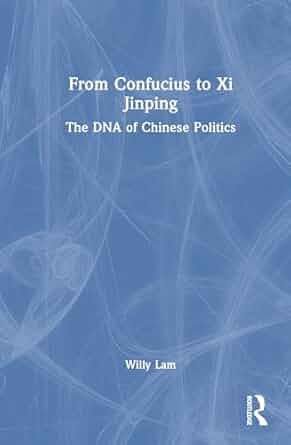
This book analyzes Chinese politics, particularly the rule of Chinese Communist Party (CCP) leaders from Mao Zedong to Xi Jinping, through an examination of the country’s political ideology.
The book succinctly covers the DNA of Chinese politics through the philosophies of sages in China’s first liberalization period during the Warring States epoch, principally those of Confucius, Mencius, Lao Zi, Zhuang Zi, Shang Yang and Hen Fei). With an appreciation of these traditional ideologies, the book displays how Chinese political philosophy (which incorporates elements of Confucianist and especially Legalist thinking) has influenced ideas and policies from as early as the Qin and Han Dynasties through to the Qing Dynasty and even to the current day. Highlighting the controversies revolving around the flowering and contention of beliefs and isms during China’s second liberalization in the Republican Period (1912-1949), the book reveals how and why this led to the repression of the CCP era under dictators ranging from Mao Zedong to Xi Jinping.
Revealing how Chinese political and philosophical legacies impact the development of ideology and policies of CCP leadership, this will be a valuable resource to students and scholars of Chinese politics, Chinese history and international relations.
This book analyzes Chinese politics, particularly the rule of Chinese Communist Party (CCP) leaders from Mao Zedong to Xi Jinping, through an examination of the country’s political ideology.
*표시는 필수 입력사항입니다.
| 전화번호 |
|---|
| 기사명 | 저자명 | 페이지 | 원문 | 기사목차 |
|---|
| 번호 | 발행일자 | 권호명 | 제본정보 | 자료실 | 원문 | 신청 페이지 |
|---|
도서위치안내: 인문자연과학자료실(314호) / 서가번호: 43

우편복사 목록담기를 완료하였습니다.
*표시는 필수 입력사항입니다.
저장 되었습니다.
