
 대표어
권호기사보기
| 기사명 | 저자명 | 페이지 | 원문 | 기사목차 |
|---|
결과 내 검색
동의어 포함
| 등록번호 | 청구기호 | 권별정보 | 자료실 | 이용여부 |
|---|---|---|---|---|
| 0003229719 | 338.90091724 -A25-4 | 서울관 사회과학자료실(208호) | 이용가능 |

The world faces a conflux of powerful forces of change. Digital technologies and advances in artificial intelligence are transforming markets, economies, and societies. Global geopolitics is shifting, and the rise of China is challenging the postwar international order led by the United States. Geopolitical tensions are elevated, and so are political polarization and societal anxieties within countries as change creates winners and losers. Nationalist industrial policies and protectionism are surging. Added to this mosaic of change is climate change, which will have profound effects on global patterns of production, investment, and trade.
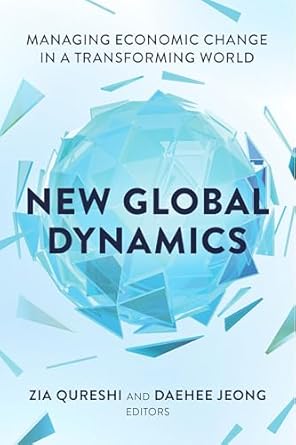
New Global Dynamics analyzes the implications of these transformations and addresses the new challenges institutions and policymakers face at national and global levels. It examines how these changes are affecting the global economy, the future of globalization, international power structures, and competition in markets, delving into the shifting dynamics in industry, trade, and finance.
International cooperation has become more daunting, but it is essential in matters ranging from the regulation of new technologies to trade policies to global finance to climate transition. In a more contested world, a rules-based international order has become even more critical
*표시는 필수 입력사항입니다.
| 전화번호 |
|---|
| 기사명 | 저자명 | 페이지 | 원문 | 기사목차 |
|---|
| 번호 | 발행일자 | 권호명 | 제본정보 | 자료실 | 원문 | 신청 페이지 |
|---|
도서위치안내: 사회과학자료실(208호) / 서가번호: 38

우편복사 목록담기를 완료하였습니다.
*표시는 필수 입력사항입니다.
저장 되었습니다.
