본문 바로가기 주메뉴 바로가기
국회도서관 홈으로 정보검색 소장정보 검색

결과 내 검색

동의어 포함

목차보기


Introduction: The Best-Laid Plans
Chapter 1: The First Anglo-Dutch War, 1652–54
How an Unexpected Enemy with Innovative Tactics Started an Arms Race with Long-Term Strategic Consequences
Chapter 2: What to Expect When You’re Expecting the French Revolution
Chapter 3: “A Mad Action”
The Almost-War between the United States and Morocco, 1801–3
Chapter 4: Theory Meets the Reality of War
Julian S. Corbett, His Theories, and the First World War
Chapter 5: Contesting the German Island Chain
Winston Churchill and the Search for a Naval Offensive during the First World War
Chapter 6: The Wars You Want Versus the Wars You Get
The Limitations of the Interwar U.S. Navy as a Historical Model
Chapter 7: Janus and Mars
French Naval and Defense Planning in the Interwar Years, 1922–40
Chapter 8: Admiral Nagano Osami and the Japanese Navy’s Decision for War Against the United States
Chapter 9: Which Adversary, When?
The Strategic Dilemmas of the Royal Navy, 1939–45
Chapter 10: From Watchtower to Iceberg
Three Cases of Doctrinal Adaptation in the Pacific War, 1941–45
Chapter 11: The Maritime Strategy’s “Missing Middle”
Chapter 12: Deterrence or Escalation?
A Reappraisal of the 1980s Maritime Strategy
Chapter 13: Back to its Comfort Zone
The Russian Navy’s Views of Its Principal Adversaries, Strategy and Force Application, and Capability Development
Chapter 14: Adversaries and Planning Assumptions
China’s Navy and the Post–Cold War World
Chapter 15: Navies and Strategic Surprises
The Post–Cold War U.S. Navy
Conclusion
About the Editors
About the Contributors
Index

이용현황보기

Planning for war at sea : 400 years of great power competition 이용현황 표 - 등록번호, 청구기호, 권별정보, 자료실, 이용여부로 구성 되어있습니다.
등록번호 청구기호 권별정보 자료실 이용여부
0003230843 359.009 -A25-1 서울관 사회과학자료실(208호) 이용가능

출판사 책소개

알라딘제공
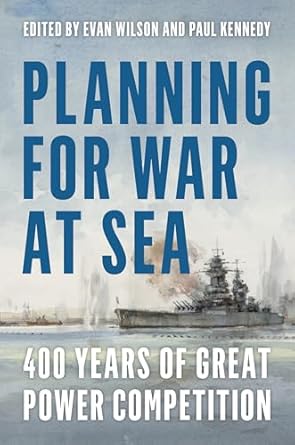
How have navies contemplated possible enemies? How did they learn--or fail to learn--once operations began? How does this analysis inform today's planning for future conflict? These questions guide the noted historians and naval strategists who contributed to Planning for War at Sea. A central theme is the regular failure of navies' best-laid plans.

Covering four centuries of naval warfare, the early chapters illustrate the challenges all navies faced when considering possible enemies. Even during the Age of Sail, ships were among the most expensive and long-term national endeavors. Navies thus planned well in advance for future wars, usually without knowing their adversaries or how they would fight them at sea. This strategy holds true today. Building a capable navy requires sustained investment in naval infrastructure long before the fighting starts.

In the final chapters naval strategists expand on this historical analysis to address how effectively or ineffectively today's three leading navies--Russia, China, and the United States--have configured themselves during the post-Cold War era in preparing for future great power conflict. This collection is an important work for strategists, scholars, and policymakers.


