

 대표어
권호기사보기
| 기사명 | 저자명 | 페이지 | 원문 | 기사목차 |
|---|
결과 내 검색
동의어 포함
| 등록번호 | 청구기호 | 권별정보 | 자료실 | 이용여부 |
|---|---|---|---|---|
| 0003230858 | 338.953 -A25-1 | 서울관 사회과학자료실(208호) | 이용가능 |

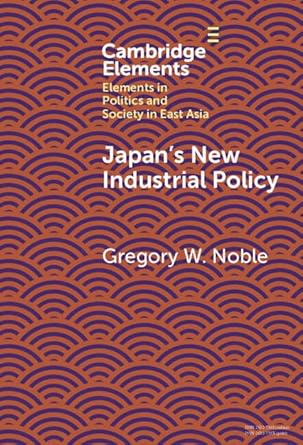
Once hailed for implementing an industrial policy so effective that it transformed Japan into a model 'developmental state, ' from the 1980s Japan steadily liberalized its economy and Japanese firms increasingly shifted production abroad via outward foreign direct investment. Yet industrial policy did not just fade away. With the emergence of new competitors in South Korea and Taiwan, and especially the rise of China as a security threat, the Japanese government strove to enhance the viability and competitiveness of Japanese firms as a means to strengthen economic security and reduce reliance on imported energy. Using newly compiled data on Japan's policy apparatus, political environment, and policy challenges, this Element examines how Japan, once an exemplar of 'catch up' industrialization, has struggled to 'keep up' with new challenges to national economic security, and more briefly considers how its policy evolution compares to those of its East Asian neighbors.
*표시는 필수 입력사항입니다.
| 전화번호 |
|---|
| 기사명 | 저자명 | 페이지 | 원문 | 기사목차 |
|---|
| 번호 | 발행일자 | 권호명 | 제본정보 | 자료실 | 원문 | 신청 페이지 |
|---|
도서위치안내: 사회과학자료실(208호) / 서가번호: 38

우편복사 목록담기를 완료하였습니다.
*표시는 필수 입력사항입니다.
저장 되었습니다.
