
 대표어
대표어
권호기사보기
| 기사명 | 저자명 | 페이지 | 원문 | 기사목차 |
|---|
결과 내 검색
동의어 포함
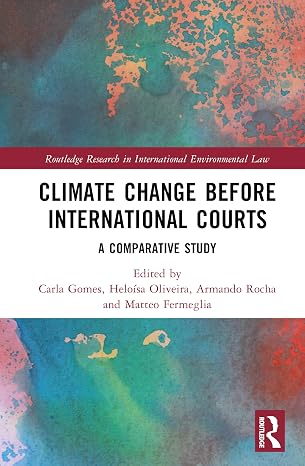
This book provides a comprehensive analysis of environmental law and climate change litigation within international courts, both substantively and procedurally. Climate change litigation is an area of continuous growth and complexity, particularly within international courts and bodies. This book uses a comparative approach, analysing case law from international sources. It focuses on three key areas, namely trends and features, legal grounds for litigation, and legal standing before courts. A concluding comparative chapter highlights the specific shortcomings and potential of each system in dealing with climate change problems, taking stock of fragmentation and unity in international law. The book presents instances in which international courts are applying procedural and substantive law to this disruptive, transnational, and intergenerational legal problem. It addresses gaps in the legal framework and identifies systems which are not fit for purpose.
With international contributions from authors of diverse backgrounds, this book will be of interest to researchers in the field of climate change and environmental law, EU and international law, and international court litigation.
| 등록번호 | 청구기호 | 권별정보 | 자료실 | 이용여부 |
|---|---|---|---|---|
| 0003271875 | LM 344.046 -A26-6 | 서울관 의원열람실(회관) | 지정도서 (자료실내 이용) |

This book provides a comprehensive analysis of environmental law and climate change litigation within international courts, both substantively and procedurally. Climate change litigation is an area of continuous growth and complexity, particularly within international courts and bodies. This book uses a comparative approach, analysing case law from international sources. It focuses on three key areas, namely trends and features, legal grounds for litigation, and legal standing before courts. A concluding comparative chapter highlights the specific shortcomings and potential of each system in dealing with climate change problems, taking stock of fragmentation and unity in international law. The book presents instances in which international courts are applying procedural and substantive law to this disruptive, transnational, and intergenerational legal problem. It addresses gaps in the legal framework and identifies systems which are not fit for purpose.
?
With international contributions from authors of diverse backgrounds, this book will be of interest to researchers in the field of climate change and environmental law, EU and international law and international court litigation.
This book provides a comprehensive analysis of environmental law and climate change litigation within international courts, both substantively and procedurally. Climate change litigation is an area of continuous growth and complexity, particularly within international courts and bodies.
*표시는 필수 입력사항입니다.
| 전화번호 |
|---|
| 기사명 | 저자명 | 페이지 | 원문 | 기사목차 |
|---|
| 번호 | 발행일자 | 권호명 | 제본정보 | 자료실 | 원문 | 신청 페이지 |
|---|
도서위치안내: / 서가번호:

우편복사 목록담기를 완료하였습니다.
*표시는 필수 입력사항입니다.
저장 되었습니다.
