
 대표어
권호기사보기
| 기사명 | 저자명 | 페이지 | 원문 | 기사목차 |
|---|
결과 내 검색
동의어 포함
| 등록번호 | 청구기호 | 권별정보 | 자료실 | 이용여부 |
|---|---|---|---|---|
| 0003287735 | 158.1 -A26-4 | [서울관] 인문자연과학자료실(열람신청 후 1층 대출대) | 이용가능 |

Excerpt
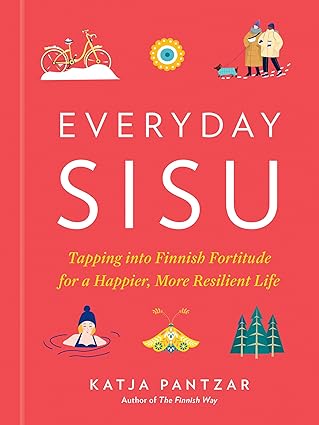
On a crisp autumn morning I stood on a wooden dock that juts out into the Baltic Sea in central Helsinki. Wearing only my bathing suit, I placed my towel and change of clothes onto one of the wooden tables as I chatted with my fellow cold-water swimmers about the weather, the water temperature (it's a brisk 9 degrees Celsius, 48.2 degrees Fahrenheit), and the state of world affairs during the coronavirus pandemic, which has dramatically changed the lives of so many people around the globe.
This day's dip into the sea was really just a dip, as I'm not a very good swimmer. But this simple morning routine has become one of the activities that make up part of my lifeline.
The fact that I was able to get myself to the dock, an easy five-minute walk from home, go for a dip, and talk with friends is little short of a miracle, or at least a 180-degree turnaround. For less than two months earlier, I was in a very different place-I was recovering from a serious depressive episode of burnout that left me so depleted that the mere idea of this morning's activities would have seemed impossible.
Yet here I was, basking in the rays of sunshine that seem like a precious commodity as we head toward the dark months of winter, when there will be only a few hours of daylight here in the Nordics.
After my dip I walked over to the bushes lining the shores of the island where I live with my son, to pick a few wild sea buckthorns. The small tangerine-colored berries are also known as liquid gold, as they are rich in vitamins C and E, fiber, and essential fatty acids. A handful of sea buckthorns is said to boast the same amount of vitamin C as a medium-size orange.
Because of a concept called everyman's right (jokamiehen oikeus), or public access rights, everyone in Finland is allowed to enjoy outdoor pursuits from forests to lakes and the sea and activities such as picking wild berries, mushrooms, and flowers so long as you don't disturb other people or their property, or damage the environment.
Then I walked the short distance home along the gravel path past the docked off-duty icebreakers, up the small hill, and through the picturesque yard of my son's school, which comprises a collection of buildings, some of which date back to the 1840s, including an Instagrammable brick facade.
Once home, after a hot shower, I had a cup of strong black coffee that tasted even better after my bracing but invigorating mini-swim.
A few months ago, I was so anxious that the mere suggestion of a short walk to the dock was overwhelming. I couldn't drink anything other than decaf coffee for fear that I would start shaking. So what happened and why is cold-water swimming one of the keys to my recovery? How does it build fortitude and sisu?
Building Resilience
While there has been research into the positive physiological effects of cold-water swimming, the idea of cross-adaptation is a slightly newer area of focus.
Essentially, cross-adaptation means that adapting to one stressor can help you adapt to others. This concept is one of the key discoveries I made that set me on a journey to uncovering how people train their resilience or sisu skills so that they have the ability to adapt, survive, and even thrive in the face of great challenges such as major life changes or loss.
So while this cool habit of mine quite literally shocks me into feeling better both mentally and physically, as it triggers the so-called happy hormones (which include endorphins, the body's natural painkillers; serotonin; dopamine; and oxytocin), it also helps me to deal with other stresses in my life.
With the cold-water swimming boom that's sweeping parts of Europe and North America, especially following the time when the coronavirus pandemic shuttered swimming pools and had people looking for safer exercise alternatives, there's actually some science behind the hobby.
In a 2020 BBC Science Focus article titled "Cold Water Swimming: Why an Icy Dip Is Good for Your Mental and Physical Health," writer Helen Glenny interviews Professor Mike Tipton, an environmental physiologist at the University of Portsmouth in the UK and a leading cold-water swimming researcher.
According to Tipton, after the initial cold-water shock response, adaptation happens over the longer term. This type of adaptation makes people less reactive to the shock of the cold water, but could also make them less reactive to stress, he tells the BBC.
This concept of cross-adaptation forms one piece of the puzzle that I've been looking to solve. When it comes to the idea of sisu, that unique brand of strength in the face of challenges, so many people I've met who have survived great setbacks and gone on to flourish tell me that some sort of cross-adaptation (though they don't call it by that name) has been instrumental in their pivot. This holds true whether the trauma they've recovered from is a serious illness, a physically or mentally abusive relationship, an accident, or the loss of a loved one or a job.
And they all seem to share a similar motto, which is: "It's okay not to be okay."
To use the old cliche, when life hands you lemons, some people make lemonade. I'm on a mission to find out how and why, in hopes that it can truly help us all.
About the Author
Raised in Canada with stints in New Zealand and the UK, Katja Pantzar is a Helsinki-based journalist and the author of The Finnish Way, which has been published in twenty-two countries. Her writing has appeared in a wide range of media, from The Globe and Mail to Elle and Monocle. Her work has been widely covered around the world, including in Le Figaro, Le Monde, El País, Vogue, Real Simple, and more.*표시는 필수 입력사항입니다.
| 전화번호 |
|---|
| 기사명 | 저자명 | 페이지 | 원문 | 기사목차 |
|---|
| 번호 | 발행일자 | 권호명 | 제본정보 | 자료실 | 원문 | 신청 페이지 |
|---|
도서위치안내: 인문자연과학자료실(314호) / 서가번호: 42

우편복사 목록담기를 완료하였습니다.
*표시는 필수 입력사항입니다.
저장 되었습니다.
