
 대표어
대표어
권호기사보기
| 기사명 | 저자명 | 페이지 | 원문 | 기사목차 |
|---|
결과 내 검색
동의어 포함
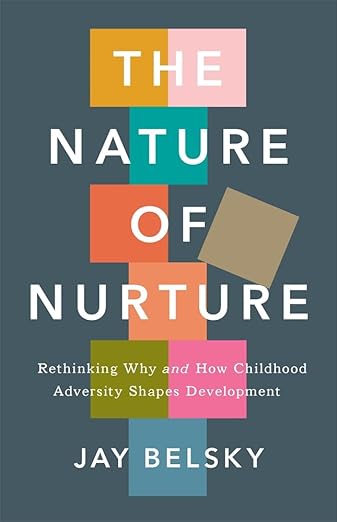
Children who grow up in troubled circumstances―experiencing deprivation or instability, living in a dangerous neighborhood or an abusive family―are more prone to aggression, recklessness, and sexual promiscuity later in life. To most of us, the lesson is clear: adverse childhood conditions make human development go awry.
In The Nature of Nurture, renowned developmental psychologist Jay Belsky challenges this interpretation and offers an exciting alternative based on Darwinian theory. There is no reason to assume, he points out, that the psychology of “well-behaved” people is normal while that of “antisocial” adults is aberrant. Instead, the supposedly dysfunctional behaviors correlated with childhood adversity could well be ingenious adaptations to harsh environments. If you are surrounded by danger and uncertainty, then being quick to lash out at potential threats and having lots of offspring at an early age are good ways to maximize your reproductive chances. From an evolutionary perspective, having just a few children and lavishing care on each works well in a stable world, but not in a perilous one.
Belsky exposes the romanticism underlying our idealized notions that “natural” equals “good” and that nature intends to maximize human happiness and well-being. When instead we take seriously the fact that humans, too, have been shaped by evolutionary pressures, we can better understand why, how, and for whom childhood experience shapes later life.
| 등록번호 | 청구기호 | 권별정보 | 자료실 | 이용여부 |
|---|---|---|---|---|
| 0003289557 | 155.234 -A26-1 | 서울관 의원열람실(회관) | 이용불가 |

From a leading expert on child development, a radical evolutionary perspective on how childhood experiences shape later life.
Children who grow up in troubled circumstances--experiencing deprivation or instability, living in a dangerous neighborhood or an abusive family--are more prone to aggression, recklessness, and sexual promiscuity later in life. To most of us, the lesson is clear: adverse childhood conditions make human development go awry. In The Nature of Nurture, renowned developmental psychologist Jay Belsky challenges this interpretation and offers an exciting alternative based in Darwinian theory. There is no reason to assume, he points out, that the psychology of "well-behaved" people is normal while that of "antisocial" adults is aberrant. Instead, the supposedly dysfunctional behaviors correlated with childhood adversity could well be ingenious adaptations to harsh environments. If you are surrounded by danger and uncertainty, then being quick to lash out at potential threats and having lots of offspring at an early age are good ways to maximize your reproductive chances. From an evolutionary perspective, having just a few children and lavishing care on each works well in a stable world, but not in a perilous one. Belsky exposes the romanticism underlying our idealized notions that "natural" equals "good" and that nature intends to maximize human happiness and well-being. When instead we take seriously the fact that humans, too, have been shaped by evolutionary pressures, we can better understand why, how, and for whom childhood experience shapes later life.*표시는 필수 입력사항입니다.
| 전화번호 |
|---|
| 기사명 | 저자명 | 페이지 | 원문 | 기사목차 |
|---|
| 번호 | 발행일자 | 권호명 | 제본정보 | 자료실 | 원문 | 신청 페이지 |
|---|
도서위치안내: / 서가번호:

우편복사 목록담기를 완료하였습니다.
*표시는 필수 입력사항입니다.
저장 되었습니다.
