
 대표어
대표어
 https://iris.who.int/items/95fbaaab-e7c6-4815-9831-42197fa0cf02
권호기사보기
| 기사명 | 저자명 | 페이지 | 원문 | 기사목차 |
|---|
결과 내 검색
동의어 포함
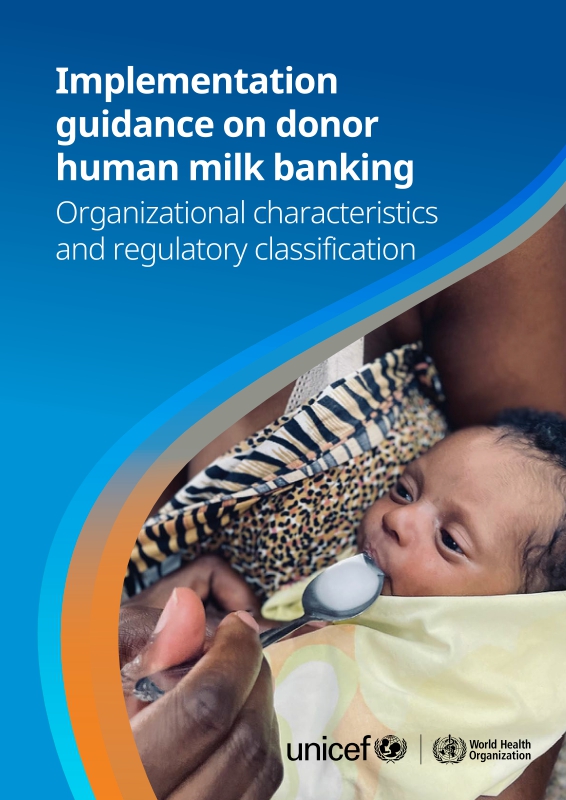
Title page 1
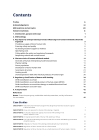
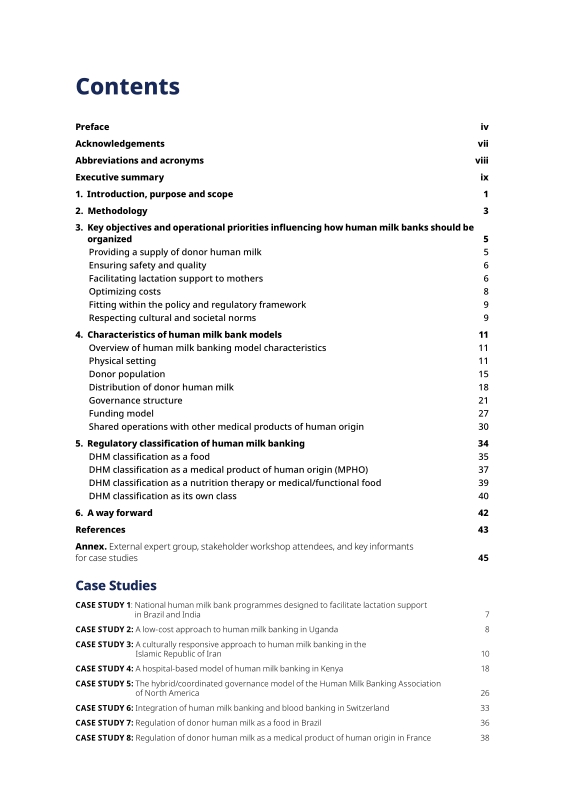
Contents 4
Preface 5
Acknowledgements 8
Abbreviations and acronyms 9
Executive summary 10
1. Introduction, purpose and scope 12
2. Methodology 14
3. Key objectives and operational priorities influencing how human milk banks should be organized 16
Providing a supply of donor human milk 16
Ensuring safety and quality 17
Facilitating lactation support to mothers 17
Optimizing costs 19
Fitting within the policy and regulatory framework 20
Respecting cultural and societal norms 20
4. Characteristics of human milk bank models 22
Overview of human milk banking model characteristics 22
Physical setting 22
Donor population 26
Distribution of donor human milk 29
Governance structure 32
Funding model 38
Shared operations with other medical products of human origin 41
5. Regulatory classification of human milk banking 45
DHM classification as a food 46
DHM classification as a medical product of human origin (MPHO) 48
DHM classification as a nutrition therapy or medical/functional food 50
DHM classification as its own class 51
6. A way forward 53
References 54
Annex. External expert group, stakeholder workshop attendees, and key informants for case studies 56
Case Studies 4
CASE STUDY 1. National human milk bank programmes designed to facilitate lactation support in Brazil and India 18
CASE STUDY 2. A low-cost approach to human milk banking in Uganda 19
CASE STUDY 3. A culturally responsive approach to human milk banking in the Islamic Republic of Iran 21
CASE STUDY 4. A hospital-based model of human milk banking in Kenya 29
CASE STUDY 5. The hybrid/coordinated governance model of the Human Milk Banking Association of North America 37
CASE STUDY 6. Integration of human milk banking and blood banking in Switzerland 44
CASE STUDY 7. Regulation of donor human milk as a food in Brazil 47
CASE STUDY 8. Regulation of donor human milk as a medical product of human origin in France 50
*표시는 필수 입력사항입니다.
| 전화번호 |
|---|
| 기사명 | 저자명 | 페이지 | 원문 | 기사목차 |
|---|
| 번호 | 발행일자 | 권호명 | 제본정보 | 자료실 | 원문 | 신청 페이지 |
|---|
도서위치안내: / 서가번호:

우편복사 목록담기를 완료하였습니다.
*표시는 필수 입력사항입니다.
저장 되었습니다.
