대표어
대표어
 https://www.oecd.org/en/publications/fighting-bid-rigging-in-public-procurement-in-austria-bulgaria-croatia-cyprus-greece-and-romania_c2766846-en.html
권호기사보기
| 기사명 | 저자명 | 페이지 | 원문 | 기사목차 |
|---|
결과 내 검색
동의어 포함
Title page 1
Contents 7
Foreword 4
Acknowledgements 5
Abbreviations and acronyms 9
Executive summary 10
1. Introduction and project scope 12
1.1. Project background and report structure 13
1.2. Fighting bid rigging in public procurement 15
1.3. International legal instruments to combat collusion 16
1.4. Bid-rigging regulation and enforcement in the six countries 19
1.4.1. Austria 19
1.4.2. Bulgaria 22
1.4.3. Croatia 23
1.4.4. Cyprus 24
1.4.5. Greece 25
1.4.6. Romania 27
References 30
Notes 34
2. Fighting bid rigging through advocacy 36
2.1. Advocacy as a key element of competition law compliance 37
2.2. Key target audiences for bid-rigging advocacy 39
2.2.1. Public procurement officials 40
2.2.2. Private sector 40
2.2.3. Judges 41
2.2.4. Non-competition enforcers 41
2.3. Advocacy forms and mechanisms against bid rigging 42
2.3.1. Guidelines and opinions 43
2.3.2. Capacity building 45
2.3.3. Working groups and exchanges of staff 47
2.3.4. Campaigns: Videos, press campaigns, ads 47
2.4. Key topics for advocacy on fighting bid rigging 49
2.4.1. Provide guidance on identifying bid rigging (red flags) 49
2.4.2. Clarify how to report bid-rigging suspicions 51
2.4.3. Underline how tender design can limit the risks of bid rigging 52
2.4.4. Explain the risk of joint bids and subcontracts hiding bid-rigging conspiracies 53
2.4.5. Discuss when and how colluding bidders can be excluded from procurement procedures (debarment) 55
2.4.6. Encourage use of whistleblowing tools 58
2.4.7. Raise awareness about leniency and its conditions and benefits 59
2.4.8. Promote access to procurement data for cartel detection 61
2.4.9. Inform contracting authorities about their right to seek damages 63
2.4.10. Highlight the value of competition compliance 65
2.4.11. Enhance judicial knowledge on bid rigging and evidence in bid-rigging cases 67
2.5. Conclusions on fighting bid rigging through advocacy 69
References 69
Notes 74
3. Institutionalising co-operation to fight bid rigging 77
3.1. The role and objectives of institutionalised co-operation in fighting bid rigging 78
3.2. Formal and informal co-operation mechanisms 78
3.3. Lessons from fact-finding meetings on co-operation 79
3.3.1. Austria 79
3.3.2. Bulgaria 80
3.3.3. Croatia 81
3.3.4. Cyprus 82
3.3.5. Greece 83
3.3.6. Romania 84
3.4. Conclusions on fighting bid rigging through institutional co-operation 85
Notes 85
Annex A. Overview of project activities 87
Figure 1.1. Number of bid-rigging cartel decisions, 2021-2023 14
Figure 2.1. Bid-rigging detection list at a glance 51
Figure 2.2. Tender design checklist at a glance 53
Figure 2.3. Number of leniency applications, 2015-2023 59
Boxes 8
Box 1.1. European Commission case example: Military hand grenades cartel 19
Box 1.2. Construction as a sector prone to bid rigging: Enforcement experiences from Austria 21
Box 1.3. Importance of co-operation with contracting authorities: Experience from ongoing bid-rigging investigations in Bulgaria 23
Box 1.4. Enforcement experience from Croatia 24
Box 1.5. Construction as sector prone to bid rigging: Enforcement experiences from Greece 26
Box 1.6. Bid-rigging cases in the natural gas sector: Experiences from Romania 28
Box 2.1. The political visibility of bid rigging: The case of France 39
Box 2.2. Co-operation with non-competition enforcers in action: The Exotic Fruit cartel case and Ships Waste Oil Collector judgements 42
Box 2.3. Guidelines as a key channel for bid-rigging advocacy: The case of Spain 43
Box 2.4. Joint opinions by competition and procurement authorities, and ad hoc advice: The case of Romania 44
Box 2.5. Good practice in tender design: CNMC's advisory role 45
Box 2.6. UK CMA's e-learning module on bid rigging 47
Box 2.7. Raising awareness through video campaigns: Examples from Canada, the United Kingdom, Austria, Greece and the OECD 48
Box 2.8. Advocacy on joint bids: The Danish joint bidding guidelines 55
Box 2.9. The European Commission's Notice on tools to fight collusion in public procurement and on guidance on how to apply the related... 56
Box 2.10. Considerations for bidder exclusion 57
Box 2.11. Greece's dedicated whistleblowing platform for contracting authorities 59
Box 2.12. Advocacy on leniency: Good practice example from Austria 61
Box 2.13. How to build procurement databases from a competition enforcement perspective 62
Box 2.14. Promoting damages claims by contracting authorities: The Catalan Competition Authority 64
Box 2.15. The CatSalut damages claim in the Spanish "adult diapers" cartel 65
Box 2.16. Designing effective compliance programmes 66
Box 2.17. Key EU case law on evidence and scope of responsibility in bid-rigging cases 68
*표시는 필수 입력사항입니다.
| 전화번호 |
|---|
| 기사명 | 저자명 | 페이지 | 원문 | 기사목차 |
|---|
| 번호 | 발행일자 | 권호명 | 제본정보 | 자료실 | 원문 | 신청 페이지 |
|---|
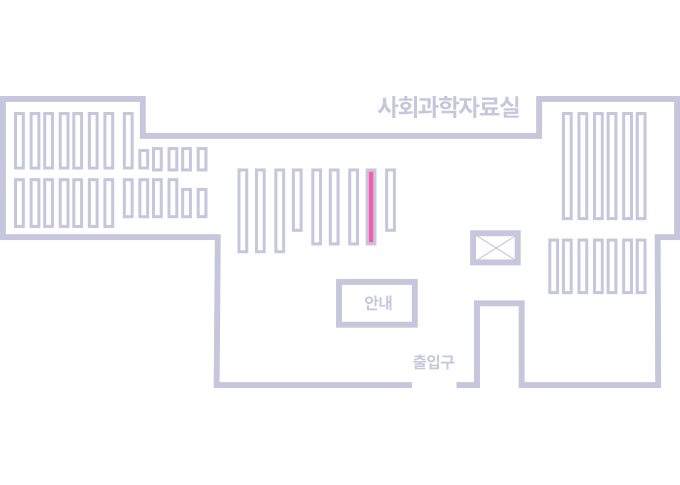
도서위치안내: / 서가번호:
우편복사 목록담기를 완료하였습니다.
*표시는 필수 입력사항입니다.
저장 되었습니다.