
 대표어
권호기사보기
| 기사명 | 저자명 | 페이지 | 원문 | 기사목차 |
|---|
결과 내 검색
동의어 포함
The discovery of antibiotics was one of the most significant medical breakthroughs of the twentieth century, dramatically increasing human lifespans. Yet today, with antibiotic-resistant superbugs implicated in as many deaths as HIV/AIDS and malaria combined, the limits of these miracle drugs have become alarmingly clear.
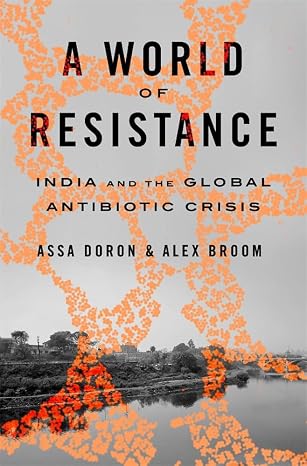
At ground zero of the growing crisis is India, one of the world’s largest consumers of antibiotics and a powerhouse in pharmaceutical manufacturing. In A World of Resistance, Assa Doron and Alex Broom draw on years of fieldwork in hospitals, in pharmacies, and on factory farms to examine the enormous social and environmental costs of overreliance on antibiotics. They show how an overtaxed healthcare system with limited oversight, widespread use of antibiotics in industrial agriculture, and the incessant dumping of pharmaceutical waste into waterways have created the ideal conditions for antibiotic-resistant microbes to grow.
As resistance spreads across India and beyond, Doron and Broom argue that the solution isn’t to restrict access to antibiotics but to embrace forms of health education, indigenous practices, and policies grounded in social solidarity. Only then, the authors contend, is it possible to turn the page on India’s precarious relationship with antibiotics and to address resistance globally―before it is too late.
| 등록번호 | 청구기호 | 권별정보 | 자료실 | 이용여부 |
|---|---|---|---|---|
| 0003330429 | 362.10954 -A26-1 | 서울관 의원열람실(회관) | 이용불가 |

A sweeping analysis uncovers the causes of--and solutions to--one of the most daunting public health challenges facing the world today: antibiotic resistance exploding in India.
The discovery of antibiotics was one of the most significant medical breakthroughs of the twentieth century, dramatically increasing human lifespans. Yet today, with antibiotic-resistant superbugs implicated in as many deaths as HIV/AIDS and malaria combined, the limits of these miracle drugs have become alarmingly clear. At ground zero of the growing crisis is India, one of the world's largest consumers of antibiotics and a powerhouse in pharmaceutical manufacturing. In A World of Resistance, Assa Doron and Alex Broom draw on years of fieldwork in hospitals, in pharmacies, and on factory farms to examine the enormous social and environmental costs of overreliance on antibiotics. They show how an overtaxed healthcare system with limited oversight, widespread use of antibiotics in industrial agriculture, and the incessant dumping of pharmaceutical waste into waterways have created the ideal conditions for antibiotic-resistant microbes to grow. As resistance spreads across India and beyond, Doron and Broom argue that the solution isn't to restrict access to antibiotics but to embrace culturally relevant forms of health education, indigenous practices, and policies grounded in social solidarity. Only then, the authors contend, is it possible to turn the page on India's precarious relationship with antibiotics and to address resistance globally before it is too late.*표시는 필수 입력사항입니다.
| 전화번호 |
|---|
| 기사명 | 저자명 | 페이지 | 원문 | 기사목차 |
|---|
| 번호 | 발행일자 | 권호명 | 제본정보 | 자료실 | 원문 | 신청 페이지 |
|---|
도서위치안내: / 서가번호:

우편복사 목록담기를 완료하였습니다.
*표시는 필수 입력사항입니다.
저장 되었습니다.
