대표어
 https://www.oecd.org/en/publications/overcoming-financial-and-capacity-barriers-to-empower-small-scale-enterprises-in-south-africa_acc7ded7-en.html
권호기사보기
| 기사명 | 저자명 | 페이지 | 원문 | 기사목차 |
|---|
결과 내 검색
동의어 포함
Title page 1
Contents 7
Foreword 4
Acknowledgements 5
Executive summary 11
Roadmap for empowering small-scale enterprises in renewable energy and other environmental sectors 13
1. Opportunities for small-scale enterprises in South Africa's efforts to ensure renewable, reliable, secure and affordable energy 21
1.1. Overview of the report 22
1.1.1. Introduction and rationale 22
1.1.2. Project objectives, scope and stakeholder engagement 23
1.2. Overview of South Africa's context 23
1.3. A well-developed financial sector 24
1.4. Energy landscape: opportunities and challenges 25
1.4.1. South Africa's energy mix 25
1.4.2. Recent electricity sector reforms 25
1.4.3. Expansion of renewables 28
1.4.4. Investment in renewables 29
1.4.5. Coal and the progressive decommissioning of coal-fired power plants 31
1.5. Key employment trends 31
1.5.1. Labour market characteristics 31
1.5.2. Job losses related to the planned decommissioning of coal-fired power plants 33
1.6. Towards an inclusive energy transition 34
1.6.1. South Africa's Just Transition Framework 34
1.6.2. Mpumalanga, South Africa's coal-producing region 35
1.6.3. South Africa's Just Energy Transition Partnership 35
1.6.4. Current trends 37
1.6.5. Environmental-friendly entrepreneurship 38
References 39
Notes 43
2. South Africa's enabling environment for small-scale enterprises in renewable energy 44
2.1. Introduction 45
2.2. Policy and regulatory framework for small-scale enterprise development in renewable energy and other environmental sectors 45
2.2.1. Horizontal co-ordination 45
2.2.2. Vertical co-ordination 46
2.2.3. Regulatory and market constraints affecting small-scale enterprises in renewable energy and other green sectors 46
2.2.4. Recent institutional reforms in support of small-scale enterprise development 46
2.2.5. Towards more inclusive support 47
2.2.6. Addressing informality 49
2.2.7. Building innovation hubs and start-up support for renewable energy 49
2.3. Supply-side dynamics in South Africa's financial market for small-scale businesses in renewable energy and environmental sectors 52
2.3.1. The role of key financial market institutions 53
2.4. Strengthening enabling conditions for small-scale enterprises across renewable energy value chains 56
2.4.1. Improving the enabling environment for rooftop solar photovoltaic expansion 56
2.4.2. Harnessing the potential of agrivoltaics 60
2.5. Conclusions 64
References 66
Notes 68
3. Building skills for advancing renewable energy in South Africa 70
3.1. Entrepreneurial and job opportunities in the renewable energy sector 71
3.2. Building foundational and technical skills 71
3.2.1. Current skill development pathways remain fragmented 71
3.2.2. Addressing critical technical skills shortages in the energy sector 72
3.2.3. Expanding and scaling up TVET programmes 72
3.3. Reskilling and upskilling 76
3.4. Enhancing the skills ecosystem for renewable energy sectors 78
3.4.1. Skills potential and training needs in solar photovoltaic 78
3.4.2. Expanding specialised certified technical training 79
3.4.3. Developing green certification schemes 81
3.5. Conclusions 82
References 83
4. Overcoming financial barriers to small-scale enterprises in renewable energy and other environmental sectors 86
4.1. Introduction 87
4.2. Key barriers to access to finance for small-scale enterprises active in renewable energy 87
4.2.1. High levels of informality 88
4.2.2. High levels of informality can also negatively affect demand for finance 90
4.2.3. Limited project pipelines 91
4.2.4. High reliance on collateral in bank financing 92
4.2.5. Small ticket sizes and high transaction costs for banks 93
4.2.6. High perceived risks 93
4.3. Fostering a sustainable financing ecosystem for renewable energy MSMEs 94
4.3.1. Strengthening pathways from early-stage support to follow-on finance 95
4.3.2. Expanding the role of risk mitigation in mobilising private MSME finance 104
4.3.3. Scaling renewable energy finance through aggregation 107
4.3.4. Strengthening MSME credit risk assessment infrastructure 112
4.3.5. Fostering digital and alternative finance 113
4.4. Conclusions 116
References 117
Notes 121
5. Unlocking finance for community-centric renewable microgrids in South Africa 122
5.1. Introduction 123
5.2. Mobilising private financing for renewable microgrids 124
5.2.1. Financial instruments and business models 125
5.2.2. Community-based financing models 131
5.3. Conclusions 134
References 137
Notes 139
Annex A. Roadmap Action Plan 140
Annex B. Country background: South Africa 148
References 168
Notes 172
Annex C. Stakeholder mapping and analysis of strengths and weaknesses, opportunities and threats 174
Annex D. Stakeholder perspectives and survey results 183
Notes 202
Annex E. Financial and technical support programmes for small-scale enterprises 203
Annex F. Renewable microgrids in South Africa 212
References 222
Notes 223
Annex G. Microgrid case studies 224
References 233
Notes 234
Table 1. Strengthening enabling conditions for small-scale enterprises in renewable energy and broader environmental sectors 14
Table 2. Building skills for South Africa's energy transition 16
Table 3. Unlocking access to finance for small-scale enterprises in renewable energy value chains and other environmental sectors 17
Table 4. Advancing financial solutions for renewable microgrid electrification 19
Table 1.1. Policy instruments supporting renewable energy investment 30
Table 2.1. South Africa has well-established competitions for green innovators 52
Table 2.2. Public support for rooftop solar photovoltaic provided in selected African countries 58
Table 2.3. Renewable energy loans offered by South Africa's major commercial banks 58
Table 3.1. Transition pathways of former coal workers to the solar and wind energy sector 76
Table 5.1. Overview of financial instruments for renewable microgrid projects 126
Table 5.2. Examples of community-centric microgrid projects 133
Tables 9 Figures 8Figure 1.1. South Africa's energy mix remains heavily dependent on coal 25
Figure 1.2. South Africa has a low share of renewables in electricity generation 28
Figure 1.3. The share of renewables in the power mix has increased sharply over the past decade 29
Figure 1.4. Young South Africans, especially those with tertiary education, struggle to find jobs 32
Figure 1.5. Western Cape has the lowest unemployment rate in South Africa 33
Figure 1.6. Concessional loans and guarantees remain underused 36
Figure 1.7. Formal enterprises are concentrated in Gauteng, Western Cape and KwaZulu-Natal 38
Figure 2.1. Rooftop solar uptake has been strongest in South Africa's main economic hubs 56
Figure 3.1. Energy-relevant qualification rates remain low in South Africa 73
Figure 3.2. Most jobs in the solar PV value chain will be created in the downstream segment 79
Figure 4.1. Financial support instruments and mechanisms for renewable energy MSMEs 94
Figure 4.2. PayGo stakeholders 101
Figure 5.1. Between 2021 and 2025, price reductions in solar photovoltaic panels and batteries reduced capital expenditure of new microgrid... 125
Figure 5.2. Financial instruments per project phase of microgrid projects 127
Boxes 10
Box 1.1. Key policy measures to reform South Africa's electricity sector 27
Box 1.2. The Presidential Climate Commission as a catalyst for local development 34
Box 2.1. Closing the financing gap for women-owned enterprises in South Africa 48
Box 2.2. The Atlantis Special Economic Zone for green technologies 51
Box 2.3. DC Solar Reclaim: developing solar panel recycling solutions in South Africa 59
Box 2.4. South Africa's first commercial agrivoltaics greenhouse in Stellenbosch, Western Cape 61
Box 2.5. The Grootvlei Climate Smart Horticulture Centre in Balfour, Mpumalanga 62
Box 2.6. Non-prescriptive recommendations 65
Box 3.1. The Centre for Entrepreneurship and Rapid Incubation at Gert Sibande TVET College 75
Box 3.2. Green Outcomes Fund 77
Box 3.3. Industry-accredited renewable energy training at Nkangala TVET College 80
Box 3.4. Non-prescriptive recommendations 83
Box 4.1. The Township Energy Fund 97
Box 4.2. Nedbank-Indalo Fund: Expanding access to finance for environmentally friendly MSMEs 99
Box 4.3. PAYGo models for small-scale enterprises in the renewable energy sector 101
Box 4.4. PEG Africa, promoting pay-as-you-go (PAYGo) financing models 102
Box 4.5. SunFunder: a catalytic debt financing platform for renewable energy projects 103
Box 4.6. Lessons learned from the Energy Bounce Back (EBB) Loan Guarantee Scheme 106
Box 4.7. a2censo, Colombia, the potential of digital crowdfunding platforms 109
Box 4.8. IFC Multi-originator securitisation, insights from Côte d'Ivoire and India 110
Box 4.9. National Rooftop Solar Portal, India 111
Box 4.10. M-KOPA fintech-enabled renewable energy adoption in East Africa 115
Box 4.11. Non-prescriptive recommendations 117
Box 5.1. Examples of portfolio approaches 130
Box 5.2. Community-centric minigrid toolkit 132
Box 5.3. Non-prescriptive recommendations for improving the investment framework for renewable energy microgrids 136
Table A A.1. Overview of potential OECD-DFFE activities and provisional timelines 140
Table A B.1. JETP funding allocations and JET Investment Plan requirements per sector, 2023-27 162
Table A B.2. Strengths and weaknesses of Mpumalanga's enabling environment for MSMEs 165
Table A B.3. Strengths and weaknesses of Western Cape's MSME enabling environment 168
Table A C.1. SWOT analysis of small-scale enterprises 177
Table A C.2. SWOT analysis of municipalities 177
Table A C.3. SWOT analysis of corporates and energy industry 178
Table A C.4. SWOT analysis of development finance institutions 179
Table A C.5. SWOT analysis of development partners 179
Table A C.6. SWOT analysis of enterprise support organisations and business incubators 180
Table A C.7. SWOT analysis of training and post-school institutions 181
Table A C.8. SWOT analysis of industry, professional and business associations 181
Annex Tables 10 Annex Figures 9Figure A B.1. South Africa's nine provinces and major cities 148
Figure A B.2. A diverse population, concentrated in Gauteng and KwaZulu-Natal 149
Figure A B.3. South Africa's economic growth has been sluggish over the past decade 149
Figure A B.4. South Africa's regulatory framework is highly restrictive 150
Figure A B.5. South Africa remains one of the world's largest coal producers 152
Figure A B.6. More than 40% of small enterprises report income losses from load-shedding 153
Figure A B.7. Informal employment in South Africa remains lower than in many emerging economies 155
Figure A B.8. Renewable energy jobs across renewable energy sectors in South Africa, 2024-30 157
Figure A B.9. The three Capes have the highest job creation potential in renewable energy 158
Figure A B.10. Mpumalanga could create around 4 500 renewable energy jobs over the next decade 160
Figure A B.11. Western Cape could create around 45 700 renewable energy jobs by 2035 162
Figure A B.12. Fewer than 50 000 enterprises in Mpumalanga are formal 164
Figure A B.13. Nearly half of small-scale enterprises are formal in Western Cape 167
Figure A D.1. Most small-scale enterprises identify as innovators in the energy transition 187
Figure A D.2. Two thirds of small-scale enterprises show interest in renewable energy solutions 187
Figure A D.3. Complex application processes are among the main barriers to accessing finance 188
Figure A D.4. Financial and non-financial support is needed to increase investment in renewable energy 190
Figure A D.5. Technical support for small-scale businesses remains fragmented in South Africa 196
Figure A D.6. Most incubators support fewer than ten small-scale enterprises for more than one year 196
Figure A D.7. Mentorship and regional hubs are seen as essential for scaling technical assistance 198
Figure A D.8. Limited support for early-stage enterprises is the most frequently cited challenge 198
Figure A F.1. Most households in Mpumalanga and the Western Cape have access to electricity 213
Figure A F.2. Despite low consumption levels, households account for the largest share of energy use 215
Figure A F.3. Key stakeholders for INEP implementation 221
Figure A G.1. Solar PV arrays and microgrid in Ficksburg, Free State, South Africa 225
Figure A G.2. Location of Upper Blinkwater 226
Figure A G.3. Schematic design of the microgrid in Sehal, India 228
Annex Boxes 10
Box A B.1. JET Skills Atlas and Forecasting Tool 159
Box A B.2. Six strategic priorities of "South Africa's Just Energy Transition" 163
*표시는 필수 입력사항입니다.
| 전화번호 |
|---|
| 기사명 | 저자명 | 페이지 | 원문 | 기사목차 |
|---|
| 번호 | 발행일자 | 권호명 | 제본정보 | 자료실 | 원문 | 신청 페이지 |
|---|
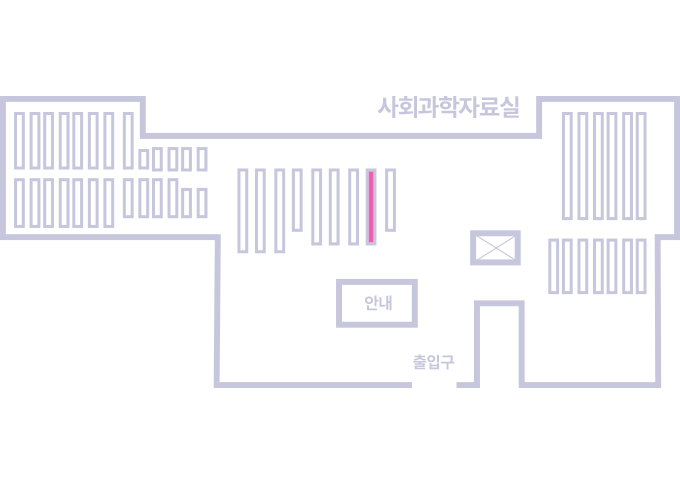
도서위치안내: / 서가번호:
우편복사 목록담기를 완료하였습니다.
*표시는 필수 입력사항입니다.
저장 되었습니다.