대표어
 https://www.oecd.org/en/publications/digitalisation-and-digital-transformation-in-tax-administrations_5976063c-en.html
권호기사보기
| 기사명 | 저자명 | 페이지 | 원문 | 기사목차 |
|---|
결과 내 검색
동의어 포함
Title page 1
Contents 6
Foreword 4
Acknowledgements 5
Reader's guide 9
Abbreviations and acronyms 12
Executive summary 15
1. Towards Tax Administration 3.0 18
References 21
2. Digital identity 22
Digital identity usage 23
Authentication methods 29
Innovations 32
References 33
Note 33
3. Taxpayer touchpoints 34
The importance of taxpayer touchpoints 35
Online services 35
Embedding services in taxpayer's natural systems 50
References 53
4. Data management and standards 54
Data governance 55
Data collection 59
Data sharing 70
Data analytics 75
Innovations 80
References 81
Note 81
5. Tax rule management and application 82
Machine-readable tax law 83
Assurance frameworks 84
Automated registration and deregistration 86
Third-party withholding 87
Artificial intelligence 88
Innovations 92
References 93
6. New skill sets 94
Shifting skill sets 95
Skill identification and mapping 96
Digital culture 98
References 101
7. Governance frameworks 102
Digital transformation strategy 103
Digital transformation governance 108
References 110
Table 2.1. Use, provision and interoperability of digital identities for individuals, 2025 25
Table 2.2. Use, provision and interoperability of digital identities for businesses, 2025 25
Table 2.3. Estimated percentage of the individual taxpayer population that uses a digital identity to access secure digital services offered... 27
Table 2.4. Estimated percentage of the business taxpayer population that uses a digital identity to access secure digital services offered... 28
Table 2.5. Selected features of the digital identity solution for individuals, 2025 29
Table 2.6. Selected features of the digital identity solution for businesses, 2025 29
Table 2.7. Digital identity authentication methods, 2025 30
Table 2.8. Authorisation for accessing secure digital services offered by the tax administration, 2025 32
Table 2.9. Use of innovative technologies or solutions with respect to digital identity, 2025 33
Table 3.1. Online services offered by tax administrations by tax type, 2025 36
Table 3.2. Tax related services as part of a wider government service approach by tax type, 2025 38
Table 3.3. Online services with automated responses by tax type, 2025 39
Table 3.4. Availability of virtual assistants, 2025 44
Table 3.5. Use of AI during interactions with taxpayers (other than virtual assistants), 2025 44
Table 3.6. Pre-programmed and automated service responses during interactions with taxpayers (other than virtual assistants), 2025 45
Table 3.7. Ensuring accessibility of tax administration services, 2025 47
Table 3.8. Measuring taxpayer experience in using online services, 2025 49
Table 3.9. Development of APIs, 2025 50
Table 3.10. Interactions for which administrations have published APIs, 2025 51
Table 3.11. Software created by the administration, 2025 52
Table 3.12. Third-party partnerships in software development, 2025 53
Table 4.1. Data governance, 2025 57
Table 4.2. Receiving data from taxpayer business systems and third parties, 2025 60
Table 4.3. Prefilling approach of tax returns by personal income tax, 2025 64
Table 4.4. Simplified tax rules to allow for the prefilling of returns with all necessary data, 2025 64
Table 4.5. Providers of data used to prefill tax returns, 2025 65
Table 4.6. Data sharing internally and within government, 2025 71
Table 4.7. Common cross government databases, 2025 72
Table 4.8. Data sharing with non-government third parties, 2025 73
Table 4.9. Data sharing with third parties for analytical purposes, 2025 74
Table 4.10. Data analytics: Selected features, 2025 75
Table 4.11. Use of big data for analytical purposes, 2025 76
Table 4.12. Innovative approaches used as part of data management activities, 2025 80
Table 5.1. Machine-readable tax law, 2025 83
Table 5.2. Assurance frameworks, 2025 85
Table 5.3. Approved or recognised software products, 2025 86
Table 5.4. Automated registration and deregistration of taxpayers, 2025 87
Table 5.5. Third party withholding of taxes, 2025 88
Table 5.6. Artificial intelligence: Main use cases, 2025 89
Table 5.7. Artificial intelligence: Limitations and ethical framework, 2025 91
Table 5.8. Artificial intelligence: Ensuring objectivity through processes carried out by tax administrations, 2025 91
Table 5.9. Artificial intelligence: Ensuring objectivity through processes carried out by third parties, 2025 92
Table 5.10. Innovative approaches used as part of tax rule management, 2025 93
Table 6.1. Skills for digital transformation: Identification and mapping, 2025 96
Table 6.2. Skills for digital transformation: Use of external suppliers and collaboration, 2025 97
Table 6.3. Digital culture: Strategy, communication and engagement, 2025 99
Table 7.1. Digital transformation strategy features, 2025 106
Table 7.2. Digital transformation strategy development, 2025 107
Table 7.3. Governance bodies, 2025 109
Table 7.4. Other selected governance features, 2025 109
Tables 7 Figures 7Figure 1.1. The Tax Administration 3.0 building block framework 20
Figure 2.1. Requirement to use a digital identity to access secure tax administration services, 2025 24
Figure 2.2. Use of different authentication methods based on the level of security required for certain types of interactions, 2025 30
Figure 4.1. Data management strategies, 2025 55
Figure 4.2. Routine access to data stored in taxpayer natural systems, 2025 60
Figure 4.3. Analytics Maturity Model self-assessments results 79
Figure 5.1. Use of artificial intelligence, 2025 88
Figure 6.1. Staff usage by function, 2024 95
Figure 7.1. Digital Transformation Maturity Model self-assessment results 104
Figure 7.2. Digital transformation strategies: Existence and time frame, 2025 105
Boxes 26
Box 2.1. Examples - Digital identity implementation 26
Box 2.2. Examples - Digital identity verification and user access 31
Box 3.1. Examples - Accelerating digitalisation of taxpayer services 36
Box 3.2. Kenya - Integration with e-government platform 39
Box 3.3. Examples - Supporting voluntary compliance through taxpayer portals 40
Box 3.4. Moldova - Use of the automated notification system related to the failure to submit tax returns within the statutory deadline 43
Box 3.5. Examples - Enhancing taxpayer experience through AI 45
Box 3.6. Examples - Ensuring accessibility 47
Box 3.7. Singapore - GenAI-powered service quality monitoring for enhanced taxpayer interactions 49
Box 4.1. Examples - Data governance 57
Box 4.2. Examples - Receiving data from taxpayer business systems 61
Box 4.3. Examples - Advances in e-invoicing systems, including prefilling 65
Box 4.4. Mauritius - Data management and cross-government data sharing 72
Box 4.5. Ukraine - Digital tax debt collection through electronic interaction with payment service providers 73
Box 4.6. Guatemala - Promoting open data 75
Box 4.7. Examples - Data analytics 76
Box 4.8. Chinese Taipei - Hybrid cloud e-invoice architecture 80
Box 5.1. Sweden - Rules as Code concept 84
Box 5.2. Examples - Use of artificial intelligence 89
Box 6.1. Bulgaria - Human capital development and responsible use of AI 98
Box 6.2. Examples - Promoting a digital culture 99
Box 7.1. Examples - Digital transformation strategies 107
*표시는 필수 입력사항입니다.
| 전화번호 |
|---|
| 기사명 | 저자명 | 페이지 | 원문 | 기사목차 |
|---|
| 번호 | 발행일자 | 권호명 | 제본정보 | 자료실 | 원문 | 신청 페이지 |
|---|
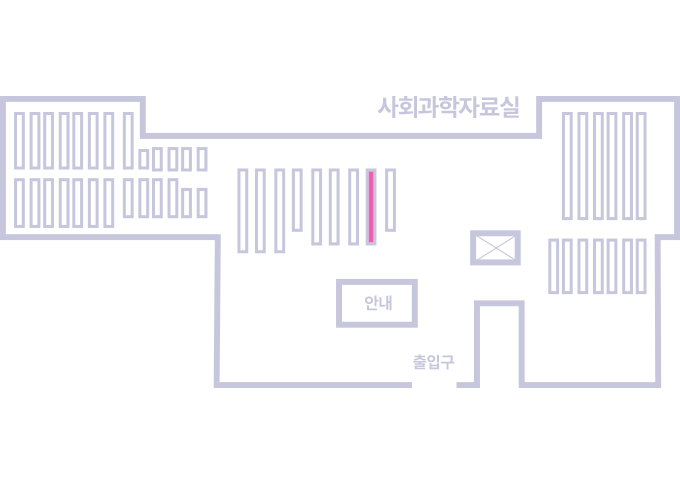
도서위치안내: / 서가번호:
우편복사 목록담기를 완료하였습니다.
*표시는 필수 입력사항입니다.
저장 되었습니다.