대표어
 https://www.oecd.org/en/publications/whole-of-government-approaches-to-development-co-operation_05846ace-en.html
권호기사보기
| 기사명 | 저자명 | 페이지 | 원문 | 기사목차 |
|---|
결과 내 검색
동의어 포함
Title page 1
Contents 7
Foreword 4
Acknowledgments 6
Abbreviations and acronyms 10
Executive summary 12
1. Why whole-of-government co-ordination matters for today's development co-operation 14
The role of whole-of-government co-ordination in an increasingly complex development landscape 15
References 19
Notes 21
2. Steering and co-ordinating development co-operation across government 22
Political leadership and strategic frameworks as conditions for co-ordination 23
Co-ordination mechanisms: translating strategic priorities into collective action 25
References 33
Notes 35
3. Implications of institutional set ups for development policy co-ordination 37
Governance models for development co-operation across government 38
What DAC members can learn from South-South providers' institutional arrangements and co-ordination mechanisms 42
References 45
Notes 47
4. How capacity, quality assurance and learning systems enable effective co-ordination 49
Enhancing government-wide resources and capacity mobilisation 50
Quality assurance and learning systems strengthen whole-of-government impact 53
Communication and education build public support, trust and transparency 58
References 61
Notes 67
5. Whole-of-government approaches for development across regions and policy themes 69
Whole-of government co-ordination at country level 70
Co-ordinating multilateral engagement across government 73
Shared policy priorities as an enabler for cross-government collaboration 74
References 81
Notes 85
6. Whole-of-government approaches to private sector development and engagement 87
Why co-ordinate? 88
What does co-ordination look like? 90
Four emerging lessons 92
References 94
Notes 96
7. Are DAC systems fit-for-purpose in today's development co-operation landscape? 98
What does "fit-for-purpose" mean for whole-of-government approaches today? 99
Key elements for successful whole-of-government co-ordination in development co-operation 99
References 101
Notes 101
Table 2.1. Overview of DAC Member's formal cross-government co-ordination mechanisms 27
Table 3.1. Analytical framework for policy authority, budget control and implementation responsibility 38
Table 3.2. Typology of whole-of-government institutional set ups among DAC members 39
Tables 8 Figures 8Figure 1.1. The number of institutions managing ODA allocations in DAC Countries, 2014 versus 2024 16
Figure 1.2. Share of total ODA through lead versus non-lead agencies in DAC Countries, 2023-24 average 17
Figure 1.3. Whole-of-government co-ordination in development co-operation 19
Figure 4.1. ODA co-operation modalities by lead ministry or agency 51
Figure 5.1. Share and volume of total allocable ODA by income group and agency type 73
Figure 5.2. ODA disbursement by agency type and theme 2023-2024 average 75
Figure 6.1. Most DAC members have several government agencies involved in private sector development 88
Figure 6.2. Since 2022, ten DAC Peer Reviews have included a specific recommendation on the need to create synergies across actors engaging... 89
Boxes 8
Box 2.1. Korea's legal framework for development co-operation has evolved overtime, strengthening support for a whole-of-government approach 24
Box 2.2. Strengthening cross-government co-ordination: Luxembourg's experience linking PCSD and Development Policy 31
Box 2.3. Lithuania's whole-of-government response to support Ukraine 32
Box 3.1. Colombia's and Indonesia's co-ordinated South-South co-operation 43
Box 4.1. Cross-government funds combining resources and capabilities 51
Box 4.2. Examples of independent entities conducting systemic evaluations and accountability functions 54
Box 4.3. Using AI and digital tools to strengthen knowledge management and learning across government 56
Box 4.4. Belgium's government approach to global citizenship education 59
Box 5.1. Team Italy's missions driving more unified partner country engagement 70
Box 5.2. Co-ordination mechanisms to improve coherence at the country level: the case of Belgium and Sweden 72
Box 5.3. Coherent multilateral representation: Experience from Sweden and Switzerland 74
Box 5.4. Luxembourg's development co-operation in Cabo Verde 77
Box 5.5. Scholarship-related ODA: A test case for whole-of-government co-ordination in selected Central and Eastern European countries 78
Box 5.6. Australia's Indo-Pacific Centre for Health Security 79
*표시는 필수 입력사항입니다.
| 전화번호 |
|---|
| 기사명 | 저자명 | 페이지 | 원문 | 기사목차 |
|---|
| 번호 | 발행일자 | 권호명 | 제본정보 | 자료실 | 원문 | 신청 페이지 |
|---|
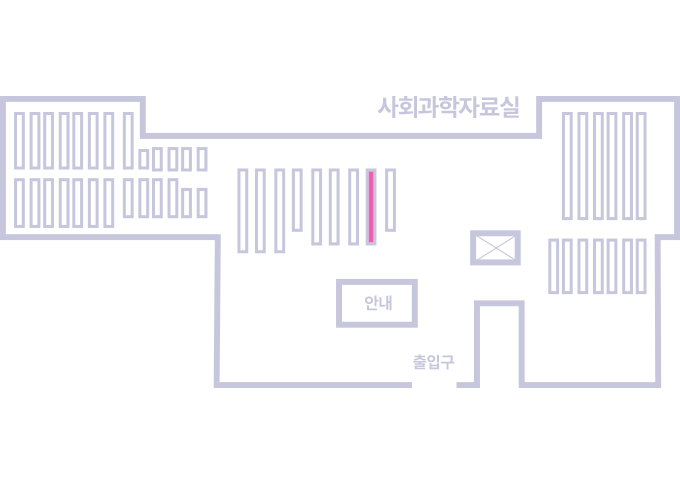
도서위치안내: / 서가번호:
우편복사 목록담기를 완료하였습니다.
*표시는 필수 입력사항입니다.
저장 되었습니다.