대표어
 https://www.weforum.org/publications/gender-gap-2020-report-100-years-pay-equality
권호기사보기
| 기사명 | 저자명 | 페이지 | 원문 | 기사목차 |
|---|
결과 내 검색
동의어 포함
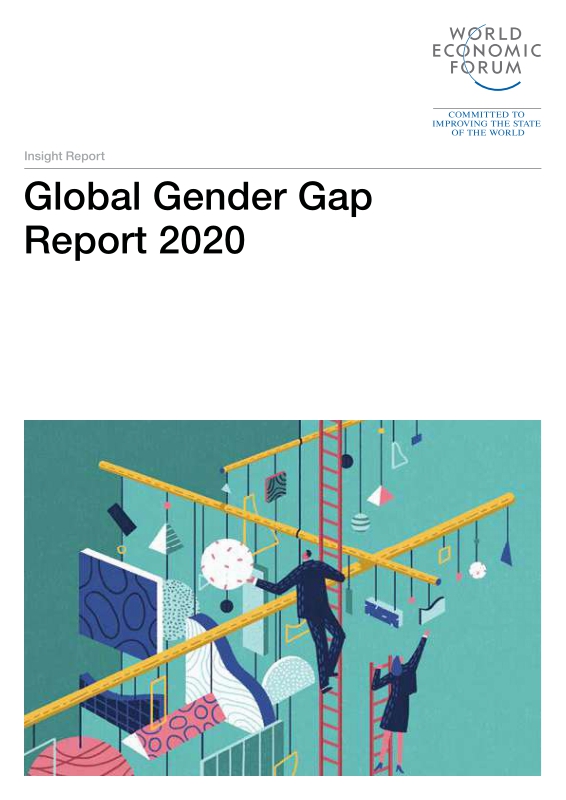
Title page 1
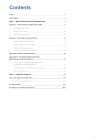
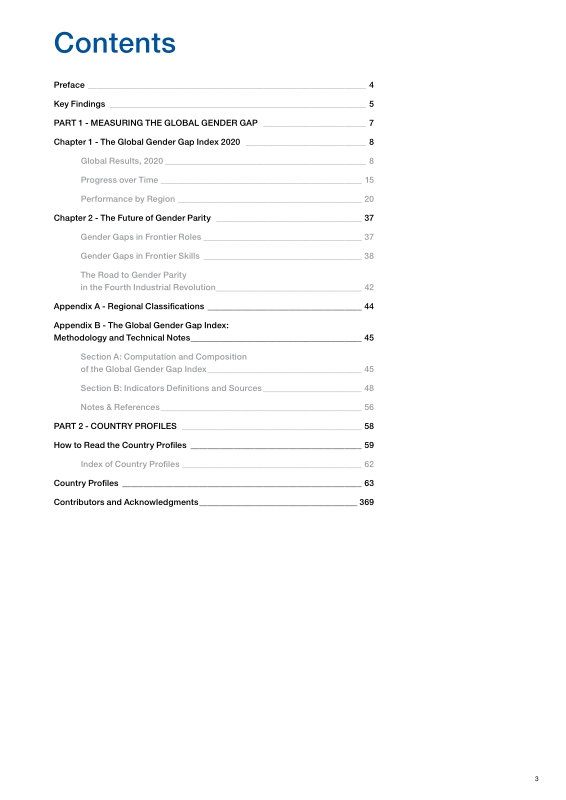
Contents 3
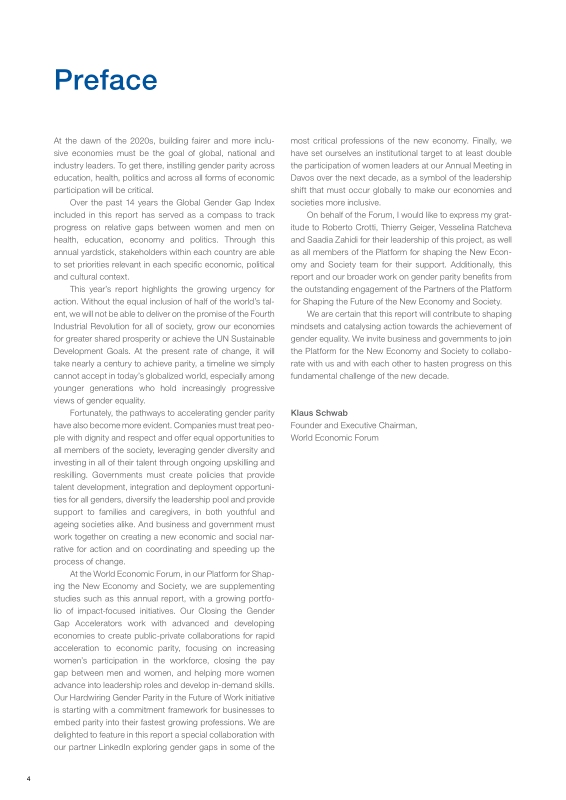
Preface 4
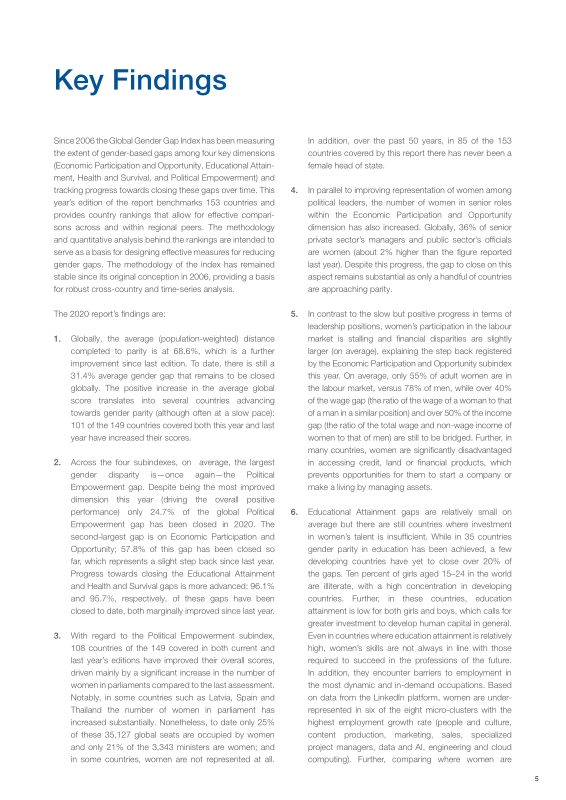
Key Findings 5
Part 1. Measuring the Global Gender Gap 7
CHAPTER 1. The Global Gender Gap Index 2020 8
Global Results 8
Performance by Subindex 10
Progress Over Time 15
Performance by Region 20
Selected Country Performances 27
Conclusion 33
References 35
CHAPTER 2. The Future of Gender Parity 37
A Labour Market Shift 37
Gender Gaps in Frontier Roles 37
Gender Gaps in Frontier Skills 38
Gender Gaps in Frontier Roles and Frontier Skills by Geography 38
The Road to Gender Parity in the Fourth Industrial Revolution 42
References 43
APPENDIX A. Regional Classifications 44
APPENDIX B. The Global Gender Gap Index: Methodology and Technical Notes 45
Section A: Computation and Composition of the Global Gender Gap Index 45
Section B: Indicators Definitions and Sources 48
Notes 56
References 57
Part 2. Country Profiles 58
How to Read the Country Profiles 59
Index of Country Profiles 62
Country Profiles 63
Albania 63
Algeria 65
Angola 67
Argentina 69
Armenia 71
Australia 73
Austria 75
Azerbaijan 77
Bahamas 79
Bahrain 81
Bangladesh 83
Barbados 85
Belarus 87
Belgium 89
Belize 91
Benin 93
Bhutan 95
Bolivia 97
Bosnia and Herzegovina 99
Botswana 101
Brazil 103
Brunei Darussalam 105
Bulgaria 107
Burkina Faso 109
Burundi 111
Cambodia 113
Cameroon 115
Canada 117
Cape Verde 119
Chad 121
Chile 123
China 125
Colombia 127
Congo, Democratic Rep. 129
Costa Rica 131
Côte d'Ivoire 133
Croatia 135
Cuba 137
Cyprus 139
Czech Republic 141
Denmark 143
Dominican Republic 145
Ecuador 147
Egypt 149
El Salvador 151
Estonia 153
Eswatini 155
Ethiopia 157
Fiji 159
Finland 161
France 163
Gambia, The 165
Georgia 167
Germany 169
Ghana 171
Greece 173
Guatemala 175
Guinea 177
Honduras 179
Hungary 181
Iceland 183
India 185
Indonesia 187
Iran, Islamic Rep. 189
Iraq 191
Ireland 193
Israel 195
Italy 197
Jamaica 199
Japan 201
Jordan 203
Kazakhstan 205
Kenya 207
Korea, Rep. 209
Kuwait 211
Kyrgyz Republic 213
Lao PDR 215
Latvia 217
Lebanon 219
Lesotho 221
Liberia 223
Lithuania 225
Luxembourg 227
Madagascar 229
Malawi 231
Malaysia 233
Maldives 235
Mali 237
Malta 239
Mauritania 241
Mauritius 243
Mexico 245
Moldova 247
Mongolia 249
Montenegro 251
Morocco 253
Mozambique 255
Myanmar 257
Namibia 259
Nepal 261
Netherlands 263
New Zealand 265
Nicaragua 267
Nigeria 269
North Macedonia 271
Norway 273
Oman 275
Pakistan 277
Panama 279
Papua New Guinea 281
Paraguay 283
Peru 285
Philippines 287
Poland 289
Portugal 291
Qatar 293
Romania 295
Russian Federation 297
Rwanda 299
Saudi Arabia 301
Senegal 303
Serbia 305
Sierra Leone 307
Singapore 309
Slovak Republic 311
Slovenia 313
South Africa 315
Spain 317
Sri Lanka 319
Suriname 321
Sweden 323
Switzerland 325
Syria 327
Tajikistan 329
Tanzania 331
Thailand 333
Timor-Leste 335
Togo 337
Trinidad and Tobago 339
Tunisia 341
Turkey 343
Uganda 345
Ukraine 347
United Arab Emirates 349
United Kingdom 351
United States 353
Uruguay 355
Vanuatu 357
Venezuela 359
Viet Nam 361
Yemen 363
Zambia 365
Zimbabwe 367
Contributors and Acknowledgments 369
Table 1. The Global Gender Gap Index 2020 rankings 9
Table 2. The Global Gender Gap Index rankings by subindex, 2020 12
Table 3. The Global Gender Gap Index rankings by region, 2020 26
Tables 9 Figures 8CHAPTER 1. The Global Gender Gap Index 2020 8
Figure 1. The Global Gender Gap Index framework 8
Figure 2. The state of the gender gaps 10
Figure 3. Economic participation and time spent in unpaid domestic work 14
Figure 4. Range of scores, Global Gender Gap Index and subindexes, 2020 15
Figure 5. Evolution of the Global Gender Gap Index and its subindexes over time 16
Figure 6. Gender gap closed to date by region, 2020 20
Figure 7. Evolution of the Global Gender Gap Index by region over time 21
Figure 8. Regional performance 2020, by subindex 22
CHAPTER 2. The Future of Gender Parity 37
Figure 1. Share of male and female workers across professional clusters 37
Figure 2. Share of women in occupations by professional cluster contrasted with share of women in the talent pipeline 39
Figure 3. Share of men and women by professional cluster and country 40
Figure 4. Share of men and women by skills cluster 42
Boxes 17
Box 1. Progress towards gender equality in wages, where do we stand? 17
Box 2. Closing the Gender Gap Country Accelerators 34
Box 3. Hardwiring gender parity in the future of work 43
Box Figures 18Figure 1.1. Wage gap between women and men, OECD countries, 2010-2019 18
Figure 1.2. Wage equality between women and men, OECD and non-OECD countries, 2010-2019 19
Table A1. Regional classifications, 2020 44
Table B1. Structure of the Global Gender Gap Index, 2020 46
Table B2. Calculation of weights within each subindex 48
Appendix Tables 44*표시는 필수 입력사항입니다.
| 전화번호 |
|---|
| 기사명 | 저자명 | 페이지 | 원문 | 기사목차 |
|---|
| 번호 | 발행일자 | 권호명 | 제본정보 | 자료실 | 원문 | 신청 페이지 |
|---|
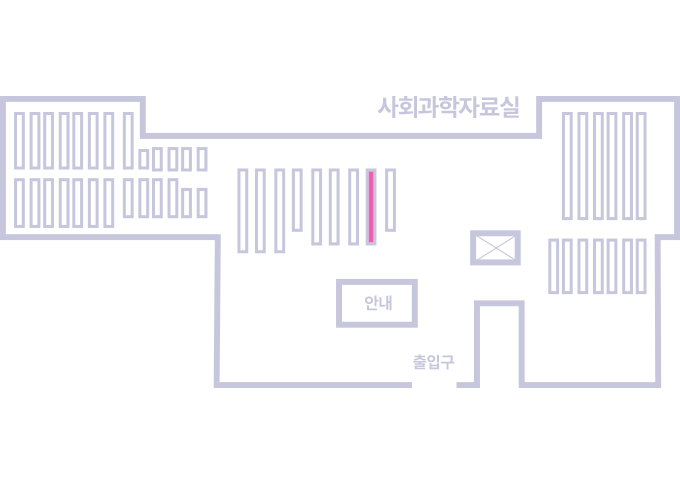
도서위치안내: / 서가번호:
우편복사 목록담기를 완료하였습니다.
*표시는 필수 입력사항입니다.
저장 되었습니다.