대표어
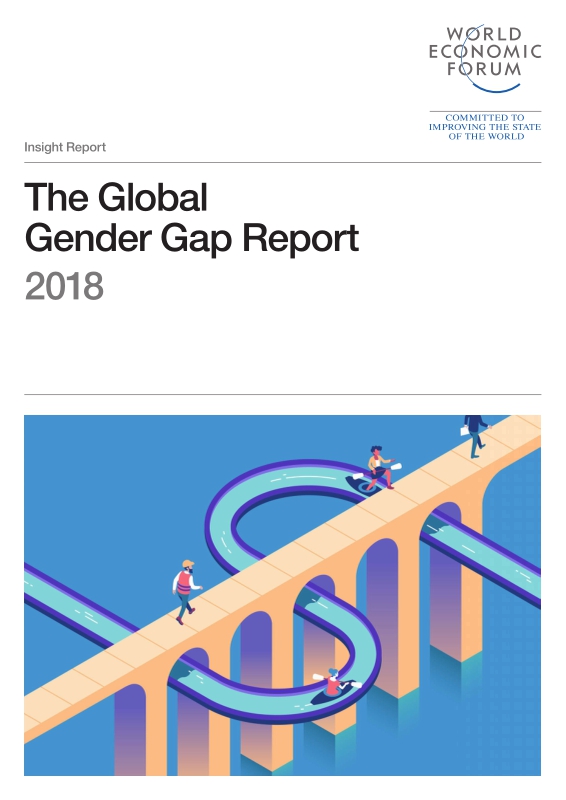
 https://www.weforum.org/publications/global-gender-gap-report-2018
권호기사보기
| 기사명 | 저자명 | 페이지 | 원문 | 기사목차 |
|---|
결과 내 검색
동의어 포함
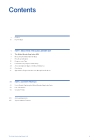
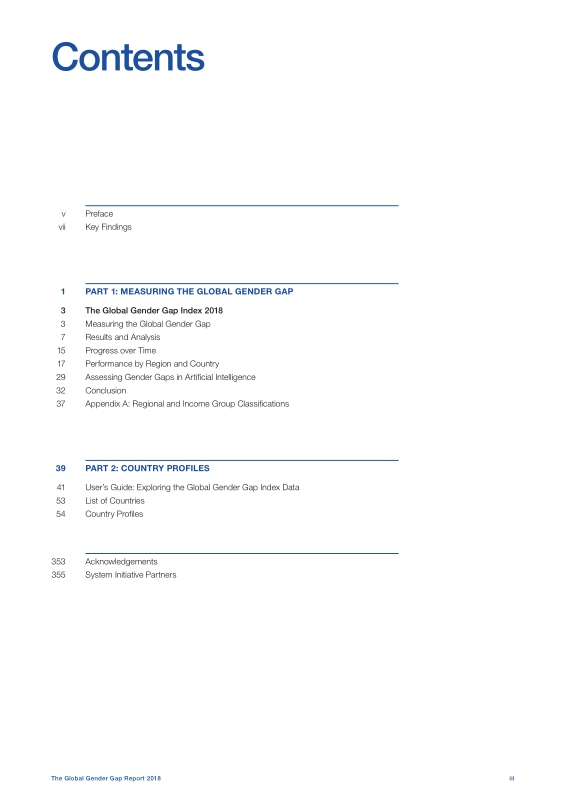
Title page 1
Contents 4
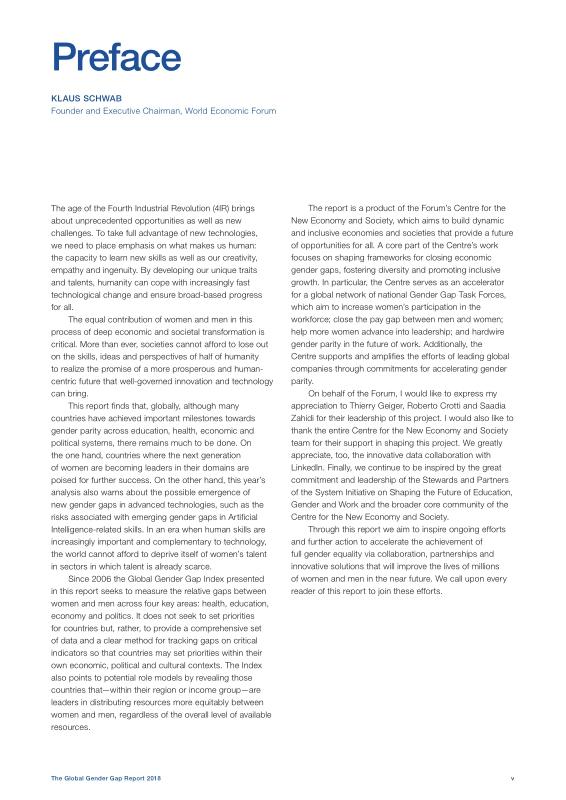
Preface 5
Key Findings 6
Part 1. Measuring the Global Gender Gap 8
The Global Gender Gap Index 2018 9
Measuring the Global Gender Gap 9
Results and Analysis 13
Progress Over Time 21
Performance by Region and Country 23
Assessing Gender Gaps in Artificial Intelligence 34
Conclusion 38
References 39
Appendix A: Regional and Income Group Classifications 42
Part 2. Country Profiles 44
User's Guide: Exploring the Global Gender Gap Index Data 45
List of Countries 57
Country Profiles 58
Albania 58
Algeria 60
Angola 62
Argentina 64
Armenia 66
Australia 68
Austria 70
Azerbaijan 72
Bahamas 74
Bahrain 76
Bangladesh 78
Barbados 80
Belarus 82
Belgium 84
Belize 86
Benin 88
Bhutan 90
Bolivia 92
Bosnia and Herzegovina 94
Botswana 96
Brazil 98
Brunei Darussalam 100
Bulgaria 102
Burkina Faso 104
Burundi 106
Cambodia 108
Cameroon 110
Canada 112
Cape Verde 114
Chad 116
Chile 118
China 120
Colombia 122
Congo, Dem. Rep. 124
Costa Rica 126
Côte d'Ivoire 128
Croatia 130
Cuba 132
Cyprus 134
Czech Republic 136
Denmark 138
Dominican Republic 140
Ecuador 142
Egypt 144
El Salvador 146
Estonia 148
Eswatini 150
Ethiopia 152
Fiji 154
Finland 156
France 158
Gambia, The 160
Georgia 162
Germany 164
Ghana 166
Greece 168
Guatemala 170
Guinea 172
Honduras 174
Hungary 176
Iceland 178
India 180
Indonesia 182
Iran, Islamic Rep. 184
Iraq 186
Ireland 188
Israel 190
Italy 192
Jamaica 194
Japan 196
Jordan 198
Kazakhstan 200
Kenya 202
Korea, Rep. 204
Kuwait 206
Kyrgyz Republic 208
Lao PDR 210
Latvia 212
Lebanon 214
Lesotho 216
Liberia 218
Lithuania 220
Luxembourg 222
Macedonia, FYR 224
Madagascar 226
Malawi 228
Malaysia 230
Maldives 232
Mali 234
Malta 236
Mauritania 238
Mauritius 240
Mexico 242
Moldova 244
Mongolia 246
Montenegro 248
Morocco 250
Mozambique 252
Myanmar 254
Namibia 256
Nepal 258
Netherlands 260
New Zealand 262
Nicaragua 264
Nigeria 266
Norway 268
Oman 270
Pakistan 272
Panama 274
Paraguay 276
Peru 278
Philippines 280
Poland 282
Portugal 284
Qatar 286
Romania 288
Russian Federation 290
Rwanda 292
Saudi Arabia 294
Senegal 296
Serbia 298
Sierra Leone 300
Singapore 302
Slovak Republic 304
Slovenia 306
South Africa 308
Spain 310
Sri Lanka 312
Suriname 314
Sweden 316
Switzerland 318
Syria 320
Tajikistan 322
Tanzania 324
Thailand 326
Timor-Leste 328
Togo 330
Tunisia 332
Turkey 334
Uganda 336
Ukraine 338
United Arab Emirates 340
United Kingdom 342
United States 344
Uruguay 346
Venezuela 348
Viet Nam 350
Yemen 352
Zimbabwe 354
Acknowledgements 356
System Initiative Partners 357
Table 1. Structure of the Global Gender Gap Index 11
Table 2. Calculation of weights within each subindex 12
Table 3. Global rankings, 2018 16
Table 4. Rankings by subindex, 2018 19
Table 5. Rankings by region, 2018 22
Table 6. Share of professionals with AI skills, by gender and geography 35
Tables 11 Figures 14Figure 1. Gender gap by country, 2018 14
Figure 2. Global performance, 2018 15
Figure 3. Range of scores, Global Gender Gap Index and subindexes, 2018 18
Figure 4. Global Gender Gap Index and subindexes evolution, 2006-2018 21
Figure 5. Global Gender Gap Index and subindexes evolution, by region, 2006-2018 21
Figure 6. Global Gender Gap Index 2018, by region 24
Figure 7. Global Gender Gap Index 2018, by region, income and political grouping 25
Figure 8A. Trends in AI skills by gender and year: rate of adoption 35
Figure 8B. Trends in AI skills by gender and year: share of adoption 35
Figure 9. AI talent as distributed across industries, by gender 36
Figure 10. Gender gap within the AI talent pool, by industry, across all professionals 36
Figure 11A. Share of female and male AI talent pool, by AI skill 37
Figure 11B. Share of LinkedIn members with AI skills, by occupation and gender 37
Table A1. Regional classifications, 2018 42
Table A2. Income group classifications, 2018 43
Appendix Tables 42*표시는 필수 입력사항입니다.
| 전화번호 |
|---|
| 기사명 | 저자명 | 페이지 | 원문 | 기사목차 |
|---|
| 번호 | 발행일자 | 권호명 | 제본정보 | 자료실 | 원문 | 신청 페이지 |
|---|
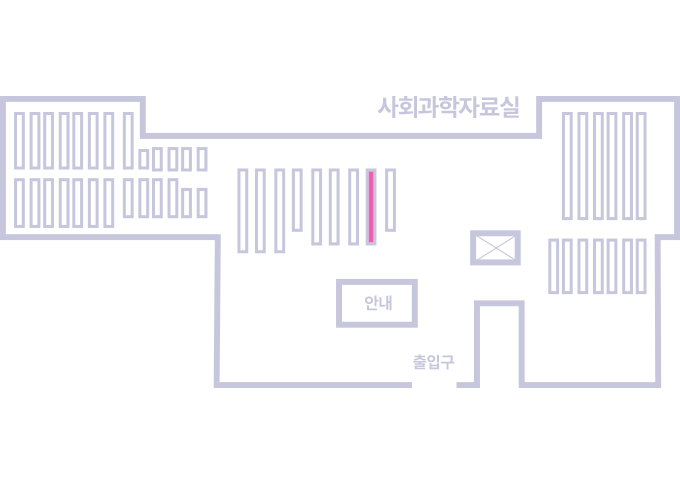
도서위치안내: / 서가번호:
우편복사 목록담기를 완료하였습니다.
*표시는 필수 입력사항입니다.
저장 되었습니다.