
 대표어
대표어
 http://www.odi.org/publications/10235-political-economy-analysis-doing-development-differently
권호기사보기
| 기사명 | 저자명 | 페이지 | 원문 | 기사목차 |
|---|
결과 내 검색
동의어 포함
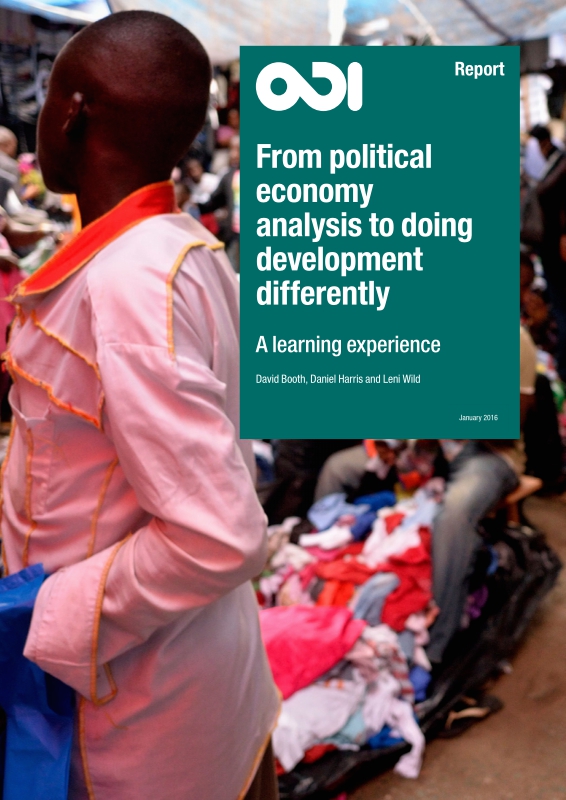
Title page
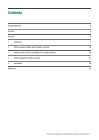
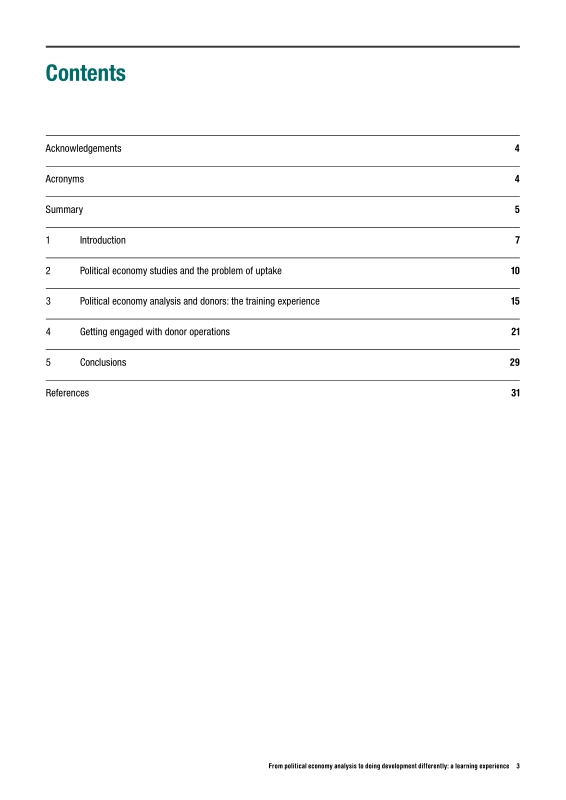
Contents
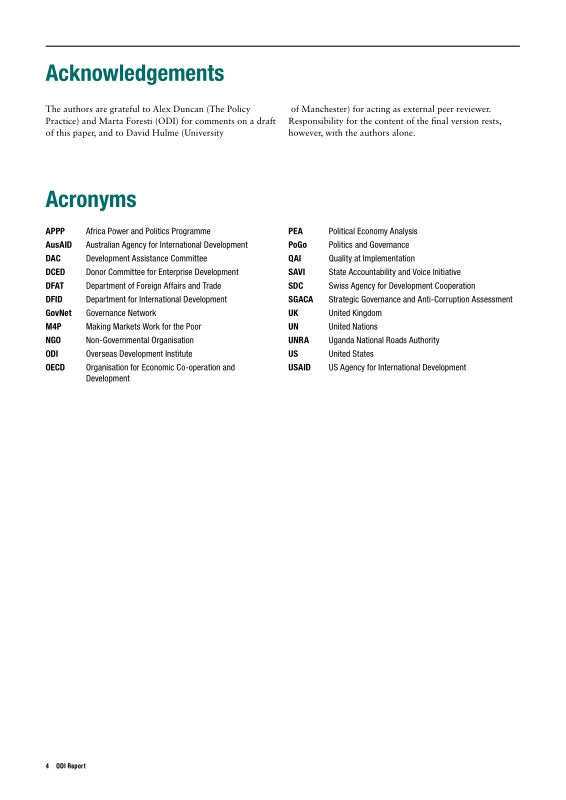
Acknowledgements 4
Acronyms 4
Summary 5
1. Introduction 7
2. Political economy studies and the problem of uptake 10
2.1. What sort of uptake problem? 10
2.2. A problem-focused experience in Uganda 11
2.3. The primacy of the programming approach 12
2.4. A water and sanitation experience in Vietnam 12
2.5. Summing up 13
3. Political economy analysis and donors: the training experience 15
3.1. PEA in Action 15
3.2. Constant features 16
3.3. Increasing conceptual content 16
3.4. Further worries 17
3.5. Failing to challenge assumptions 17
3.6. Acknowledging the politics-complexity nexus 18
3.7. Political economy training for NGOs? 19
3.8. Summing up 20
4. Getting engaged with donor operations 21
4.1. The Australian experience 21
4.2. Engaging with the wider (non-governance) world 22
4.3. Engaging with DFAT's systems and processes 22
4.4. The shifting political economy of Australian aid 23
4.5. Summing up on Australia 24
4.6. Working with DFID and beyond 24
4.7. A new kind of research 24
4.8. Getting out of the governance ghetto 25
4.9. An expanding dialogue on ways of working 26
4.10. Doing development differently 26
4.11. Adapting development 27
4.12. Summing up 28
5. Conclusions 29
5.1. Lessons learned 29
5.2. Looking forward 29
References 31
Figure 1. Three forms of analysis 17
*표시는 필수 입력사항입니다.
| 전화번호 |
|---|
| 기사명 | 저자명 | 페이지 | 원문 | 기사목차 |
|---|
| 번호 | 발행일자 | 권호명 | 제본정보 | 자료실 | 원문 | 신청 페이지 |
|---|
도서위치안내: / 서가번호:

우편복사 목록담기를 완료하였습니다.
*표시는 필수 입력사항입니다.
저장 되었습니다.
