
 대표어
대표어
 http://www.odi.org/publications/10255-urbanisation-netherlands-international-cooperation-climate-gender-water-secuity-aid
권호기사보기
| 기사명 | 저자명 | 페이지 | 원문 | 기사목차 |
|---|
결과 내 검색
동의어 포함
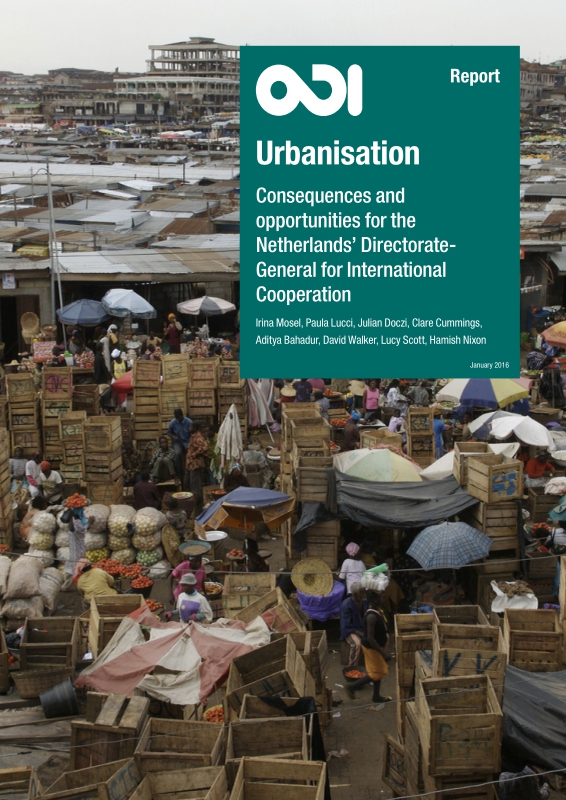
Title page
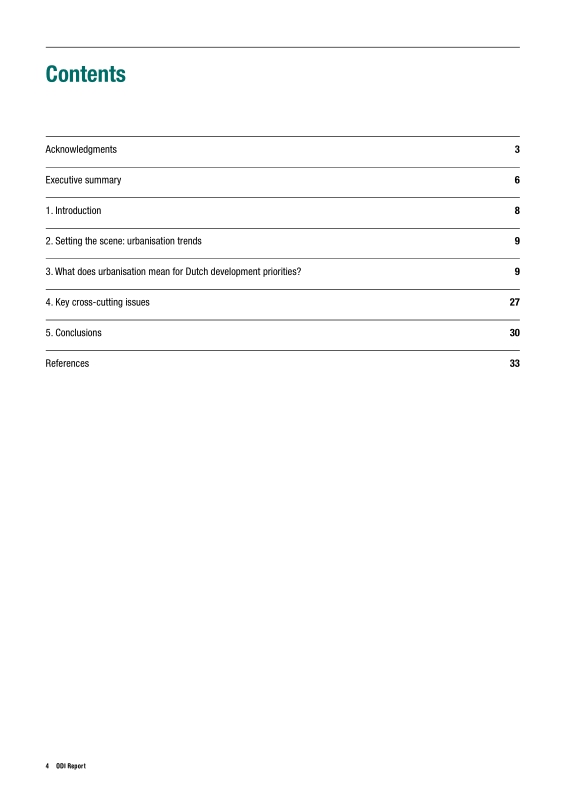
Contents
Acknowledgments 3
Executive summary 6
1. Introduction 9
2. Setting the scene: urbanisation trends 9
3. What does urbanisation mean for Dutch development priorities? 10
3.1. Water management 10
3.2. Climate change and risk reduction 13
3.3. Sexual and reproductive health rights 17
3.4. Food security 20
3.5. Emergency aid 22
3.6. Peace, security and conflict 24
4. Key cross-cutting issues 27
4.1. Politics, power and governance 27
4.2. Equity and marginalisation 29
5. Conclusions 30
5.1. Where to work 30
5.2. How to work 30
5.3. Other issues to address: land tenure, informal settlements and livelihoods 32
References 33
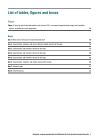
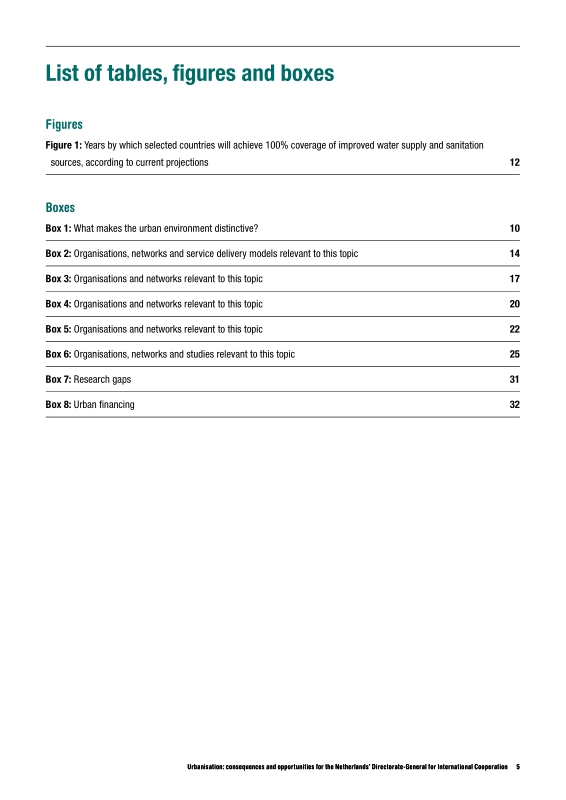
Figure 1. Years by which selected countries will achieve 100% coverage of improved water supply (left) and sanitation (right) sources, according to current projections 12
Boxes
Box 1. What makes the urban environment distinctive? 10
Box 2. Organisations, networks and service delivery models relevant to water management 14
Box 3. Organisations and networks relevant to climate change and risk reduction 17
Box 4. Organisations and networks relevant to SRHR 20
Box 5. Organisations and networks relevant to food security 22
Box 6. Organisations, networks and studies relevant to emergency aid 25
Box 7. Organisations, networks and studies relevant to peace, security and conflict 27
Box 8/Box 7. Research gaps 31
Box 9/Box 8. Urban financing 32
*표시는 필수 입력사항입니다.
| 전화번호 |
|---|
| 기사명 | 저자명 | 페이지 | 원문 | 기사목차 |
|---|
| 번호 | 발행일자 | 권호명 | 제본정보 | 자료실 | 원문 | 신청 페이지 |
|---|
도서위치안내: / 서가번호:

우편복사 목록담기를 완료하였습니다.
*표시는 필수 입력사항입니다.
저장 되었습니다.
