
 대표어
대표어
 http://www.odi.org/publications/10300-indicators-womens-voice-leadership-decision-making


권호기사보기
| 기사명 | 저자명 | 페이지 | 원문 | 기사목차 |
|---|
결과 내 검색
동의어 포함
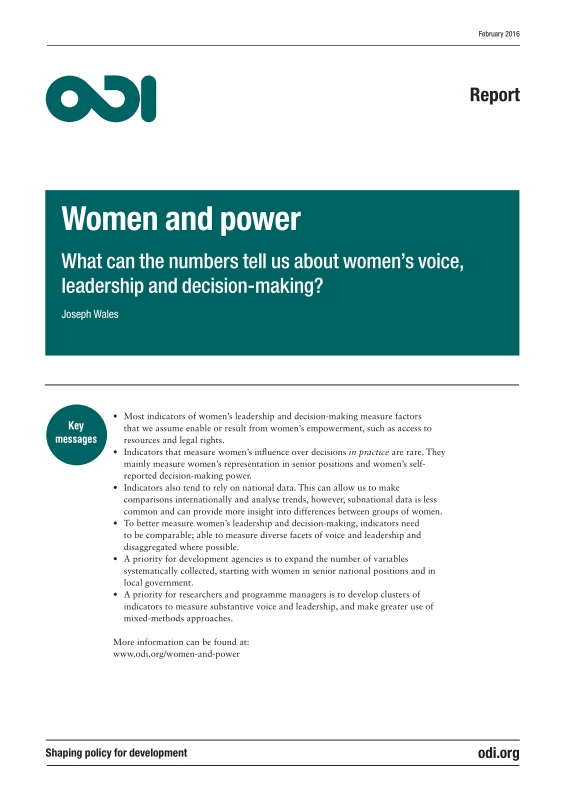
Title page
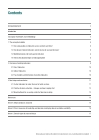
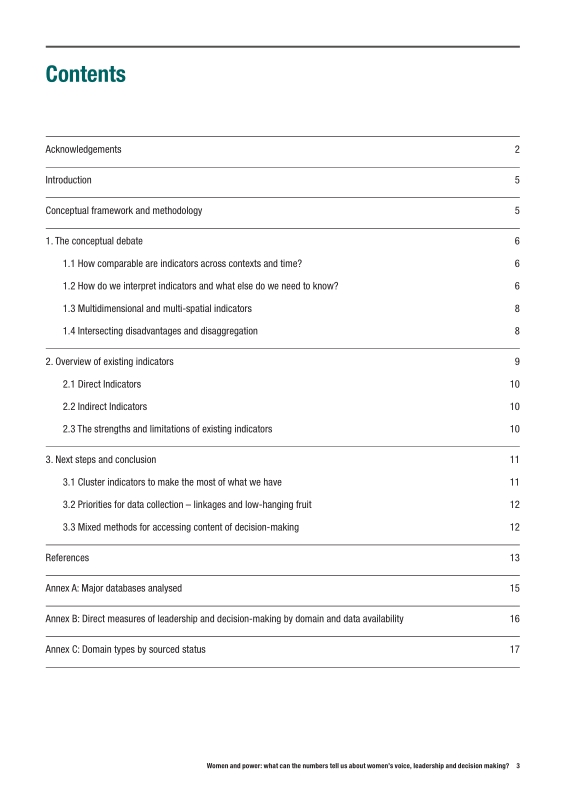
Contents
Acknowledgements 2
Introduction 5
Conceptual framework and methodology 5
1. The conceptual debate 6
1.1. How comparable are indicators across contexts and time? 6
1.2. How do we interpret indicators and what else do we need to know? 6
1.3. Multidimensional and multi-spatial indicators 8
1.4. Intersecting disadvantages and disaggregation 8
2. Overview of existing indicators 9
2.1. Direct indicators 9
2.2. Indirect indicators 10
2.3. The strengths and limitations of existing indicators 10
3. Next steps and conclusion 11
3.1. Cluster indicators to make the most of what we have 11
3.2. Priorities for data collection-inkages and low-hanging fruit 12
3.3. Mixed methods for accessing content of decision-making 12
References 13
Annex A: Major databases analysed 15
Annex B: Direct measures of leadership and decision-making by domain and data availability 16
Annex C: Domain types by sourced status 17
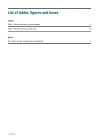
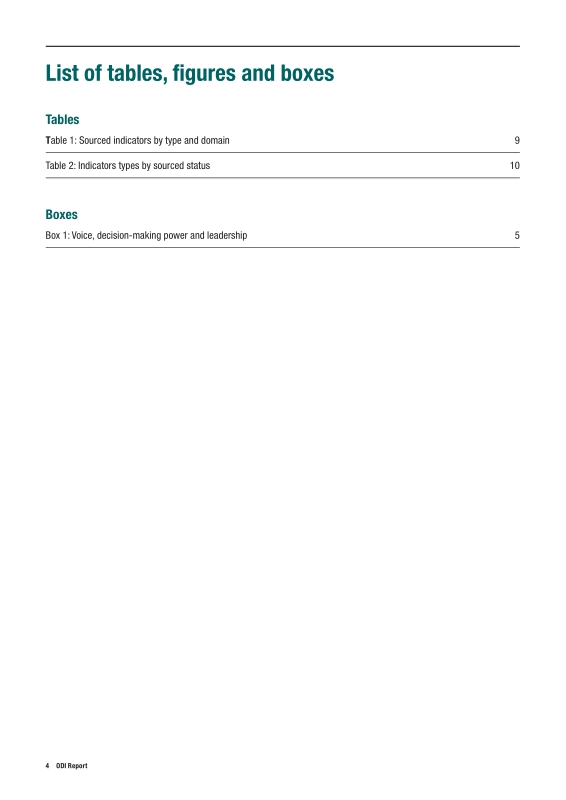
Boxes
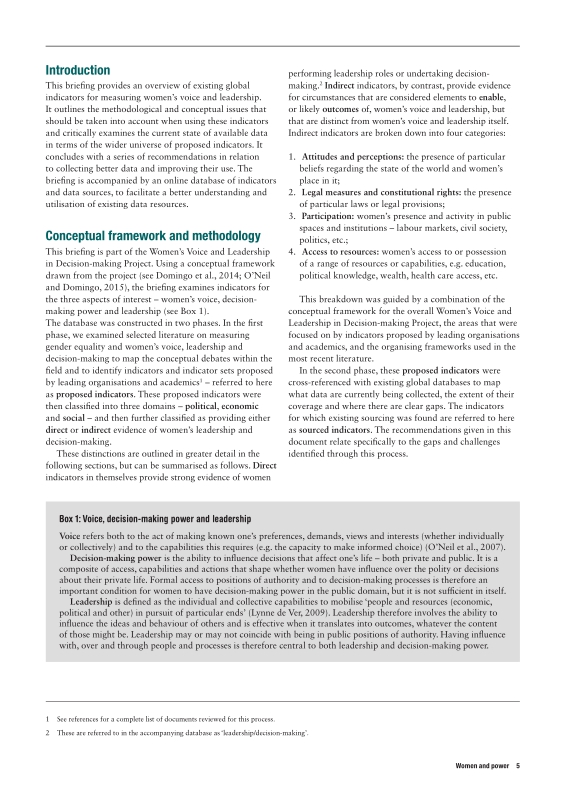
Box 1. Voice, decision-making power and leadership 5
*표시는 필수 입력사항입니다.
| 전화번호 |
|---|
| 기사명 | 저자명 | 페이지 | 원문 | 기사목차 |
|---|
| 번호 | 발행일자 | 권호명 | 제본정보 | 자료실 | 원문 | 신청 페이지 |
|---|
도서위치안내: / 서가번호:

우편복사 목록담기를 완료하였습니다.
*표시는 필수 입력사항입니다.
저장 되었습니다.
