
 대표어
대표어
 https://www.odi.org/publications/10317-journeys-europe-role-policy-migrant-decision-making
권호기사보기
| 기사명 | 저자명 | 페이지 | 원문 | 기사목차 |
|---|
결과 내 검색
동의어 포함
Title page
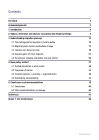
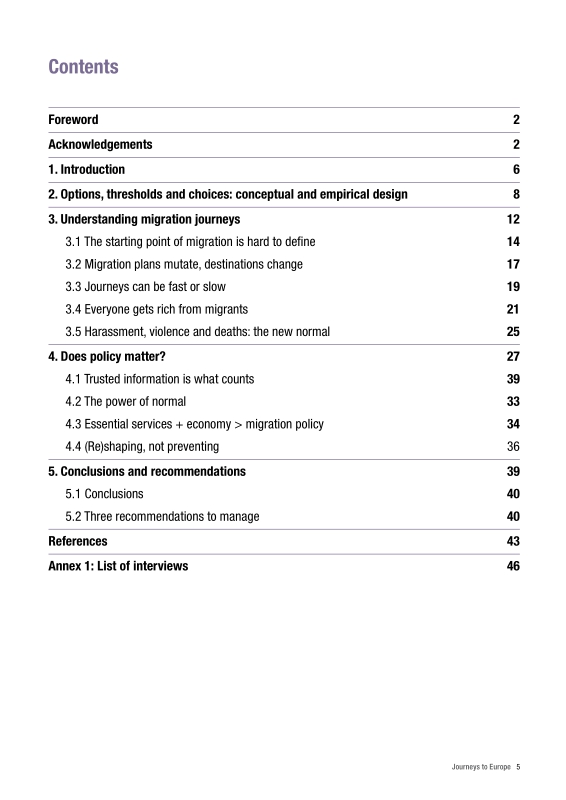
Contents
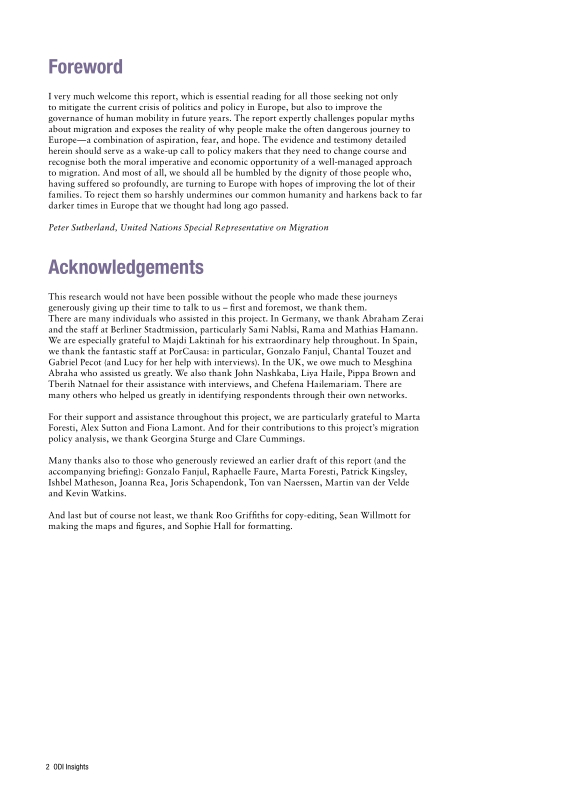
Foreword 2
Acknowledgements 2
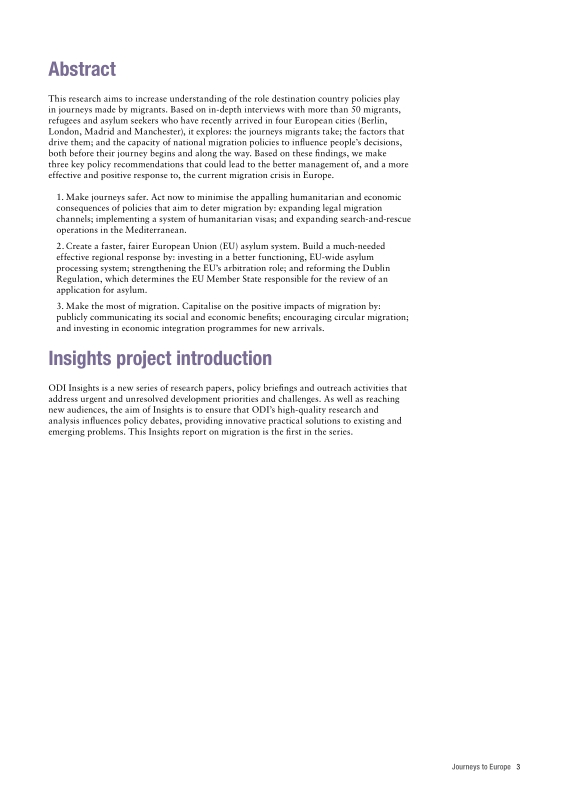
Abstract 3
Insights project introduction 3
1. Introduction 6
2. Options, thresholds and choices: conceptual and empirical design 8
3. Understanding migration journeys 12
3.1. The starting point of migration is hard to define 14
3.2. Migration plans mutate, destinations change 17
3.3. Journeys can be fast or slow 19
3.4. Everyone gets rich from migrants 21
3.5. Harassment, violence and deaths: the new normal 25
4. Does policy matter? 27
4.1. Trusted information is what counts 29
4.2. The power of normal 33
4.3. Essential services + economy 〉 migration policy 34
4.4. (Re)shaping, not preventing 36
5. Conclusions and recommendations 39
5.1. Conclusions 39
5.2. Three recommendations to manage migration better 40
References 43
Annex 1: List of interviews 46
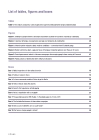
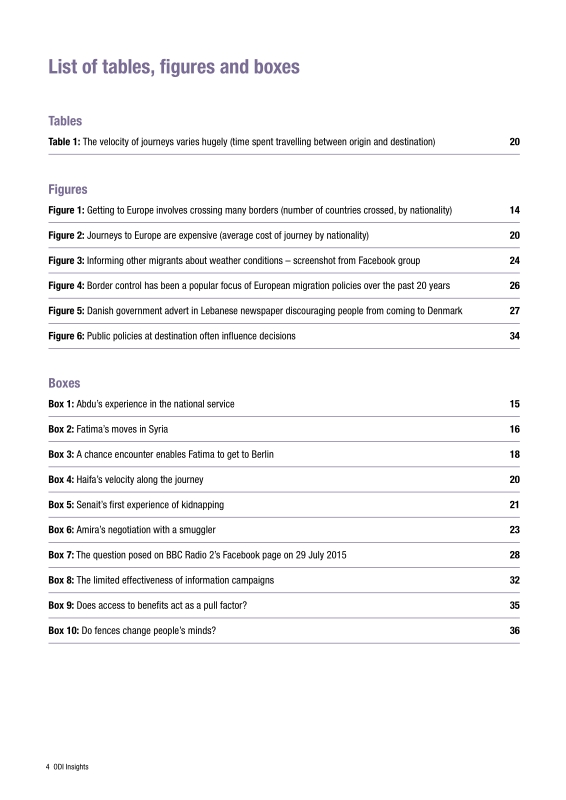
Figure 1. Getting to Europe involves crossing many borders (number of countries crossed, by nationality) 14
Figure 2. Journeys to Europe are expensive (average cost of journey by nationality) 21
Figure 3. Informing other migrants about weather conditions-screenshot from Facebook group 25
Figure 4. Border control has been a popular focus of European migration policies over the past 20 years 27
Figure 5. Danish government advert in Lebanese newspaper discouraging people from coming to Denmark 28
Figure 6. Public policies at destination often influence decisions (share of respondents that cited public policy in destination country) 35
Boxes
Box 1. Abdu's experience in the national service 15
Box 2. Fatima's moves in Syria 16
Box 3. A chance encounter enables Fatima to get to Berlin 18
Box 4. Haifa's velocity along the journey 20
Box 5. Senait's first experience of kidnapping 22
Box 6. Amira's negotiation with a smuggler 23
Box 7. The question posed on BBC Radio 2's Facebook page on 29 July 2015 28
Box 8. The limited effectiveness of information campaigns 32
Box 9. Does access to benefits act as a pull factor? 35
Box 10. Do fences change people's minds? 36
*표시는 필수 입력사항입니다.
| 전화번호 |
|---|
| 기사명 | 저자명 | 페이지 | 원문 | 기사목차 |
|---|
| 번호 | 발행일자 | 권호명 | 제본정보 | 자료실 | 원문 | 신청 페이지 |
|---|
도서위치안내: / 서가번호:

우편복사 목록담기를 완료하였습니다.
*표시는 필수 입력사항입니다.
저장 되었습니다.
