
 대표어
대표어
 http://bookshop.europa.eu/en/greenhouse-gas-and-air-pollutant-emissions-from-eu-transport-pbQA0415820/?CatalogCategoryID=m3UKABstAj4AAAEjh4cY4e5K
권호기사보기
| 기사명 | 저자명 | 페이지 | 원문 | 기사목차 |
|---|
결과 내 검색
동의어 포함
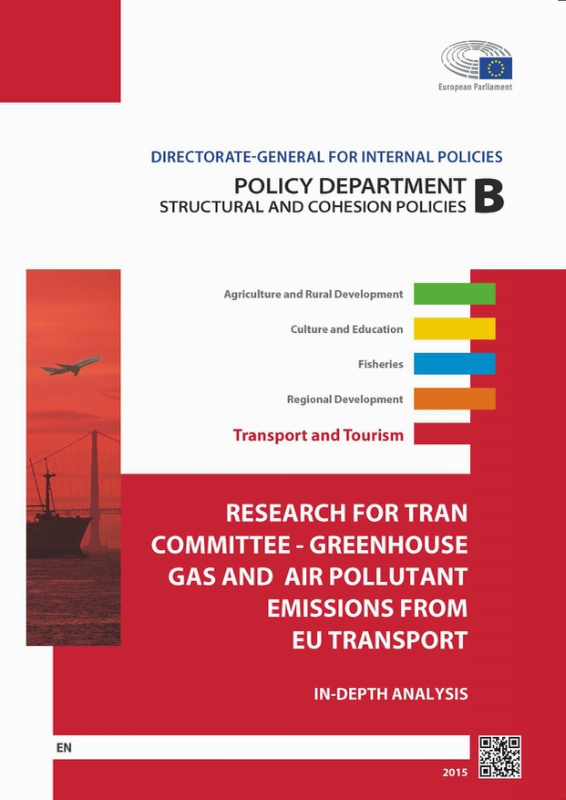
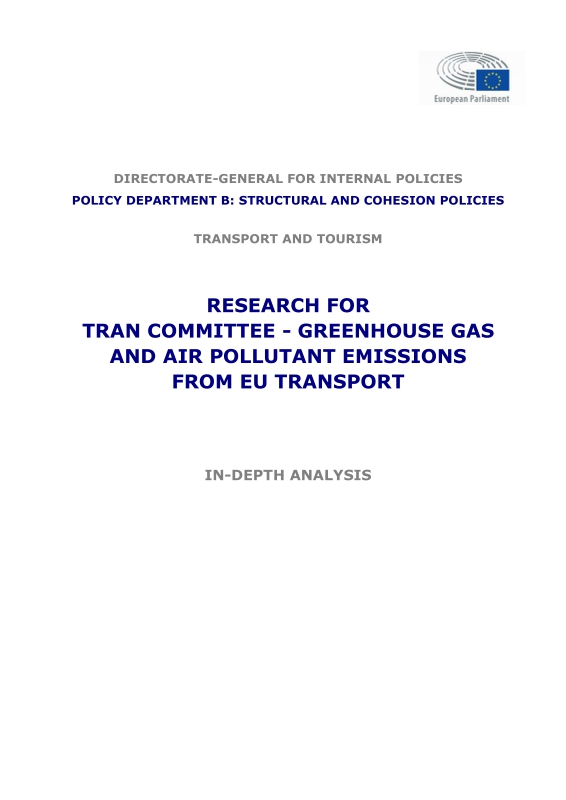
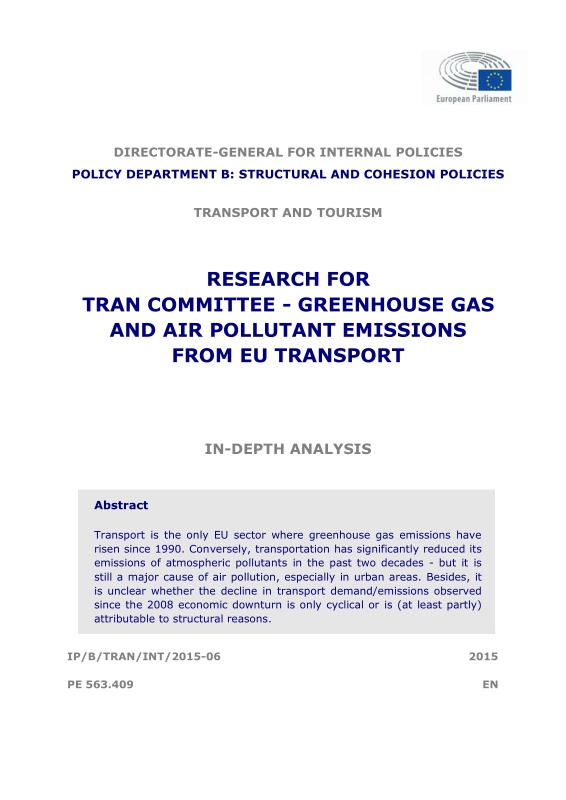
Title page
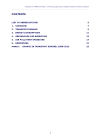
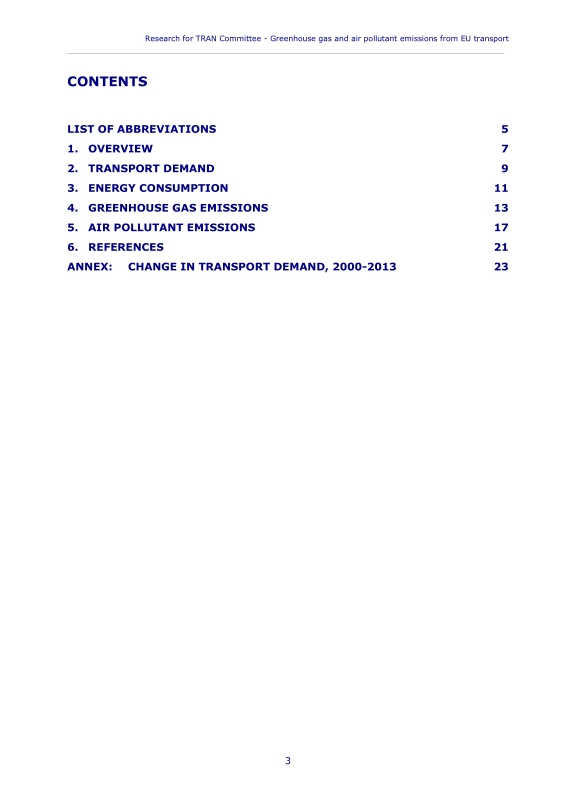
Contents
ABSTRACT 4
LIST OF ABBREVIATIONS 6
1. OVERVIEW 7
2. TRANSPORT DEMAND 8
2.1. Change in volumes: the 2008 crisis reversed the trend but did not offset the growth in the previous years 8
2.2. Key features 9
2.3. EU objectives 9
3. ENERGY CONSUMPTION 10
3.1. Energy consumption goes with transport demand 10
3.2. Fuels: 95% oil derived 10
3.3. EU objectives 11
4. GREENHOUSE GAS EMISSIONS 12
4.1. In 2012 transport accounted for roughly a quarter of the total EU man-made greenhouse gas emissions 12
4.2. Road emits much more GHGs than other modes, but the share of long distance air and waterborne transport is growing 13
4.3. EU objectives 13
5. AIR POLLUTANT EMISSIONS 15
5.1. Transport is a major source of air pollution 15
5.2. (Road) transport air pollutant emissions are going down 15
5.3. However aviation and waterborne transport air pollutant emissions are going up 16
5.4. (Road) transport remains a major cause of air pollution 17
5.5. EU objectives 17
6. REFERENCES 18
ANNEX: PASSENGER AND FREIGHT TRANSPORT WITHIN THE EU-28: CHANGE IN VOLUME AND MODAL SPLIT, 2000-2013 19
*표시는 필수 입력사항입니다.
| 전화번호 |
|---|
| 기사명 | 저자명 | 페이지 | 원문 | 기사목차 |
|---|
| 번호 | 발행일자 | 권호명 | 제본정보 | 자료실 | 원문 | 신청 페이지 |
|---|
도서위치안내: / 서가번호:

우편복사 목록담기를 완료하였습니다.
*표시는 필수 입력사항입니다.
저장 되었습니다.
