
 대표어
대표어
 https://www.gov.uk/government/publications/adult-out-of-court-disposal-pilot-evaluation-final-report


권호기사보기
| 기사명 | 저자명 | 페이지 | 원문 | 기사목차 |
|---|
결과 내 검색
동의어 포함
Title page
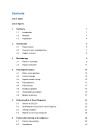
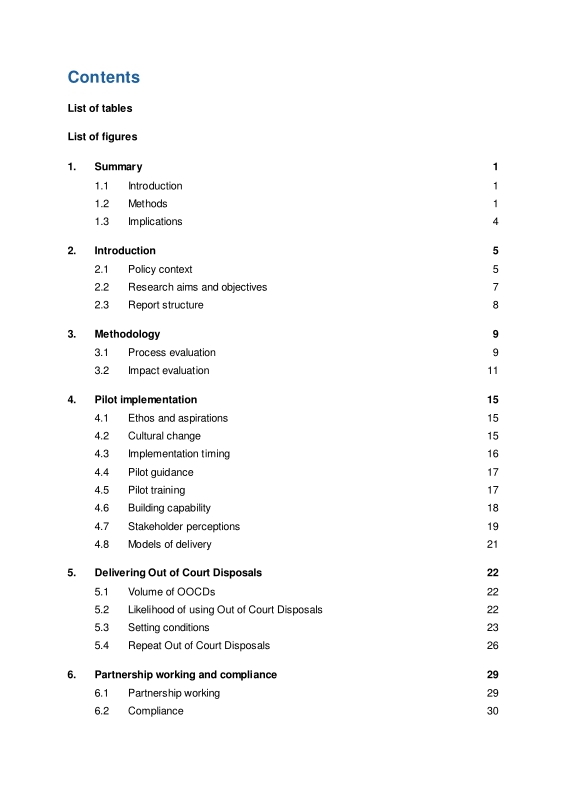
Contents
Acknowledgements 3
1. Summary 8
1.1. Introduction 8
1.2. Methods 8
1.3. Implications 11
2. Introduction 12
2.1. Policy context 12
2.2. Research aims and objectives 14
2.3. Report structure 15
3. Methodology 16
3.1. Process evaluation 16
3.2. Impact evaluation 18
4. Pilot implementation 22
4.1. Ethos and aspirations 22
4.2. Cultural change 22
4.3. Implementation timing 23
4.4. Pilot guidance 24
4.5. Pilot training 24
4.6. Building capability 25
4.7. Stakeholder perceptions 26
4.8. Models of delivery 28
5. Delivering Out of Court Disposals 29
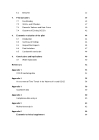
5.1. Volume of OOCDs 29
5.2. Likelihood of using Out of Court Disposals 29
5.3. Setting conditions 30
5.4. Repeat Out of Court Disposals 33
6. Partnership working and compliance 36
6.1. Partnership working 36
6.2. Compliance 37
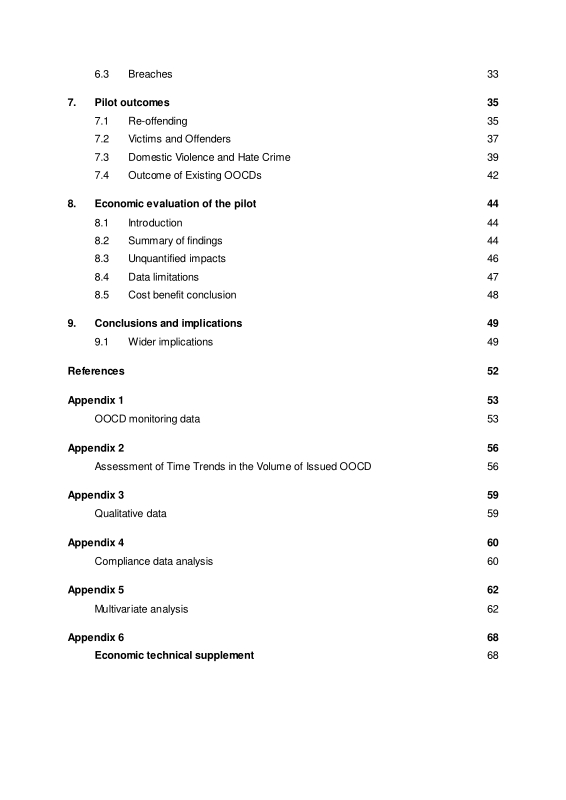
6.3. Breaches 40
7. Pilot outcomes 42
7.1. Re-offending 42
7.2. Victims and Offenders 44
7.3. Domestic Violence and Hate Crime 46
7.4. Outcome of Existing OOCDs 49
8. Economic evaluation of the pilot 51
8.1. Introduction 51
8.2. Summary of findings 51
8.3. Unquantified impacts 53
8.4. Data limitations 54
8.5. Cost benefit conclusion 55
9. Conclusions and implications 56
9.1. Wider implications 56
References 59
Appendix 1. OOCD monitoring data 60
Appendix 2. Assessment of Time Trends in the Volume of Issued OOCD 63
Appendix 3. Qualitative data 66
Appendix 4. Compliance data analysis 67
Appendix 5. Multivariate analysis 69
Appendix 6. Economic technical supplement 75
Figure 5.1. The proportion of CC conditions by categories across the pilot areas over the pilot period (from 3rd November 2014 to 31st October 2015) 32
Figure 6.1. Cumulative compliance rates over 24 weeks from OOCD issue date 39
Figure 7.1. Share of Adult OOCDs in Counterfactual Police Areas 49
Figure 7.2. Share of Adult OOCDs in Pilot Police Areas 50
Figure A6.1. Diagram of volume flows under the status quo 77
Figure A6.2. Diagram of volume flows under the two-tier framework 82
*표시는 필수 입력사항입니다.
| 전화번호 |
|---|
| 기사명 | 저자명 | 페이지 | 원문 | 기사목차 |
|---|
| 번호 | 발행일자 | 권호명 | 제본정보 | 자료실 | 원문 | 신청 페이지 |
|---|
도서위치안내: / 서가번호:

우편복사 목록담기를 완료하였습니다.
*표시는 필수 입력사항입니다.
저장 되었습니다.
