 https://www.wri.org/publication/tracking-progress-toward-cool-food-pledge
권호기사보기
| 기사명 | 저자명 | 페이지 | 원문 | 기사목차 |
|---|
| 대표형(전거형, Authority) | 생물정보 | 이형(異形, Variant) | 소속 | 직위 | 직업 | 활동분야 | 주기 | 서지 | |
|---|---|---|---|---|---|---|---|---|---|
| 연구/단체명을 입력해주세요. | |||||||||
|
|
|
|
|
|
* 주제를 선택하시면 검색 상세로 이동합니다.
Contents
EXECUTIVE SUMMARY 1
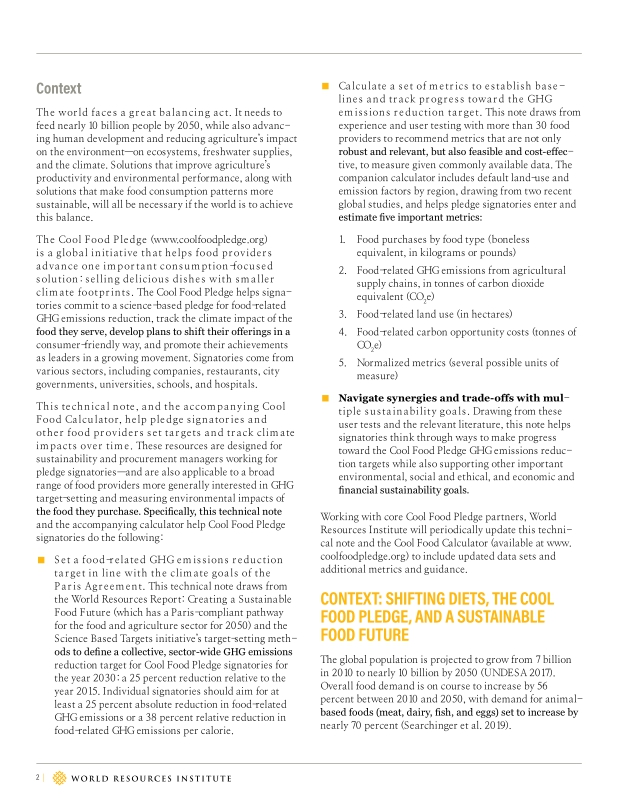
CONTEXT: SHIFTING DIETS, THE COOL FOOD PLEDGE, AND A SUSTAINABLE FOOD FUTURE 2
1. SETTING A FOOD-RELATED GHG EMISSIONS REDUCTION TARGET 5
2. METRICS AND DATA NEEDS 7
3. NAVIGATING SYNERGIES AND TRADE-OFFS ACROSS SUSTAINABILITY GOALS 18
4. CONCLUSIONS 23
APPENDIX A: COLLECTING AND ORGANIZING FOOD PURCHASE DATA FOR COOL FOOD PLEDGE REPORTING 24
ENDNOTES 27
REFERENCES 30
ACKNOWLEDGMENTS 32
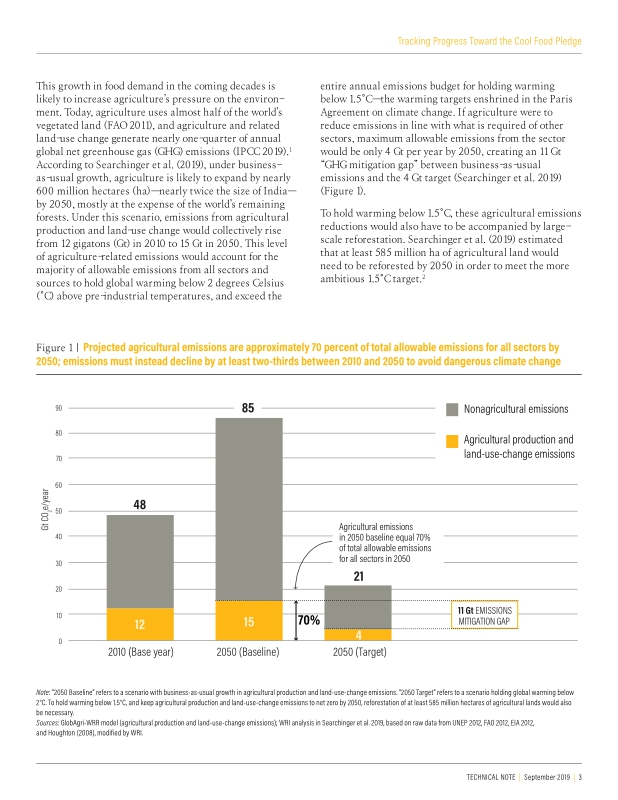
Figure 1. Projected agricultural emissions are approximately 70 percent of total allowable emissions for all sectors by 2050; emissions must instead decline by at least two-thirds between... 3
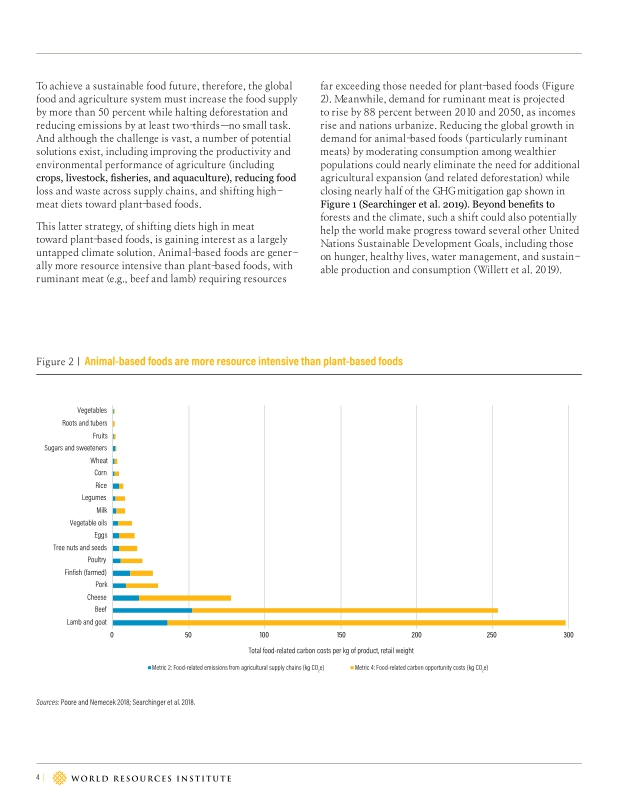
Figure 2. Animal-based foods are more resource intensive than plant-based foods 4
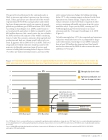
Figure 3. The sectoral target of reducing food-related GHG emissions by 25 percent by 2030 relative to 2015 is downscaled from a longer-term 2050 target 6
Figure 4. The mandatory food types tracked by the Cool Food Pledge tend to account for more than 80 percent of food-related GHG emissions, land use, and carbon opportunity costs... 10
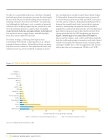
Figure 5. Agricultural production emissions arise from six major sources (emissions are for 2010) 12
Figure 6. Animal-based foods have higher impacts than plant-based foods across most environmental impact categories, but effects between production systems can vary 19
Boxes
Box 1. Defining and Describing Science-Based Targets 5
Box 2. The Better Buying Lab and User Testing 8
Box 3. Reporting Food Purchases by Food Type 11
*표시는 필수 입력사항입니다.
| 전화번호 |
|---|
| 기사명 | 저자명 | 페이지 | 원문 | 기사목차 |
|---|
| 번호 | 발행일자 | 권호명 | 제본정보 | 자료실 | 원문 | 신청 페이지 |
|---|
도서위치안내: / 서가번호:

우편복사 목록담기를 완료하였습니다.
*표시는 필수 입력사항입니다.
저장 되었습니다.
