
 대표어
대표어
 https://www.cgdev.org/publication/exploring-barriers-and-opportunities-deepening-cooperation-across-dac-and-non-dac
권호기사보기
| 기사명 | 저자명 | 페이지 | 원문 | 기사목차 |
|---|
결과 내 검색
동의어 포함
Title page
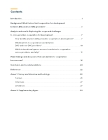
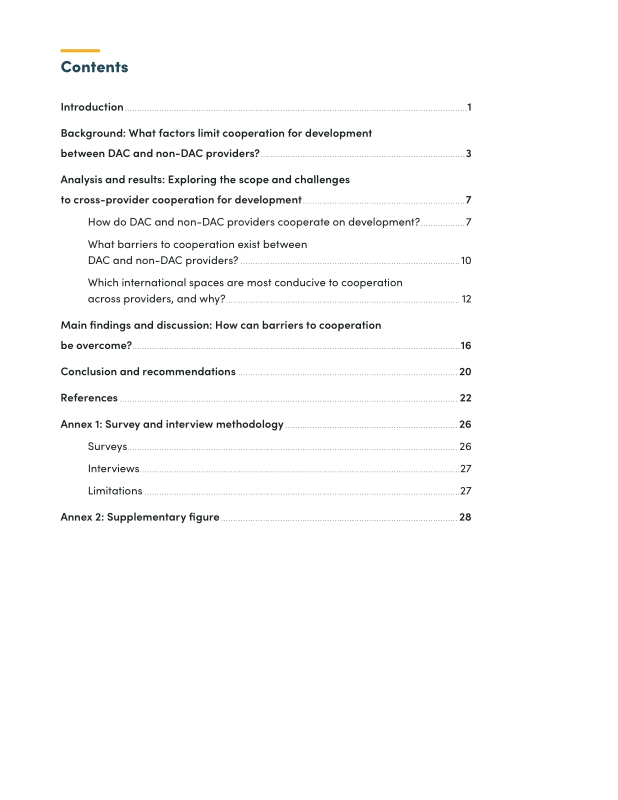
Contents
Abstract 1
Introduction 5
Background: What factors limit cooperation for development between DAC and non-DAC providers? 7
Analysis and results: Exploring the scope and challenges to cross-provider cooperation for development 11
How do DAC and non-DAC providers cooperate on development? 11
What barriers to cooperation exist between DAC and non-DAC providers? 14
Which international spaces are most conducive to cooperation across providers, and why? 16
Main findings and discussion: How can barriers to cooperation be overcome? 20
Conclusion and recommendations 24
References 26
Annex 1: Survey and interview methodology 30
Surveys 30
Interviews 31
Limitations 31
Annex 2: Supplementary figure 32
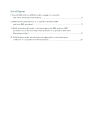
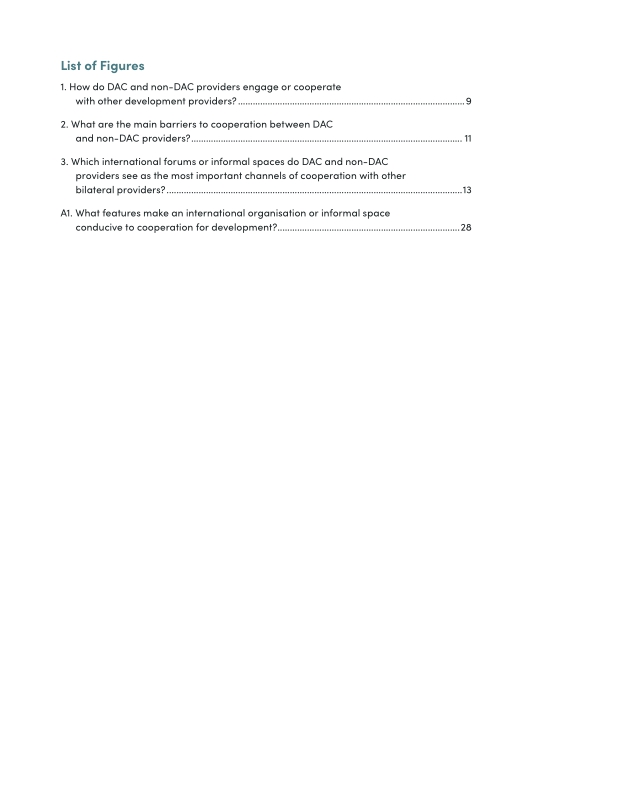
FIGURE 1. How do DAC and non-DAC providers engage or cooperate with other development providers? 13
FIGURE 2. What are the main barriers to cooperation between DAC and non-DAC providers? 15
FIGURE 3. Which international forums or informal spaces do DAC and non-DAC providers see as the most important channels of cooperation with other bilateral providers? 17
Annex Figures
FIGURE A1. What features make an international organisation or informal space conducive to cooperation for development? 32
At a time when progress towards the 2030 Agenda has stalled, there is a clear need for collective—and cooperative—development action to put the agenda back on track. The good news is that the number of countries with institutions dedicated to sharing knowledge, skills, and resources to support development outcomes is growing, with more DAC and non-DAC countries providing cooperation than ever before. The bad news, however, is that cooperation across these providers—particularly between DAC and non-DAC countries—has faced considerable barriers to deep and impactful partnerships. In this paper, we explore the barriers to cooperation between DAC and non-DAC providers for development and how they can be overcome. To do so, we use a combination of survey and interview research, which is designed to capture diverse perspectives across providers, as well as international organisations responsible for convening actors for development.
Our survey research finds that differences in the principles and visions for development cooperation, lack of capacity, and low political appetite for cooperation remain pervasive barriers to deeper partnerships between DAC and non-DAC providers, while interviewees highlighted low trust as a fundamental challenge. To overcome these challenges, providers will need to invest time and energy in rebuilding trust through engagement and should aim to co-create development norms and standards that reflect the priorities and realities of the shifting provider landscape.*표시는 필수 입력사항입니다.
| 전화번호 |
|---|
| 기사명 | 저자명 | 페이지 | 원문 | 기사목차 |
|---|
| 번호 | 발행일자 | 권호명 | 제본정보 | 자료실 | 원문 | 신청 페이지 |
|---|
도서위치안내: / 서가번호:

우편복사 목록담기를 완료하였습니다.
*표시는 필수 입력사항입니다.
저장 되었습니다.
