
 대표어
 https://documents.worldbank.org/en/publication/documents-reports/documentdetail/099082624160037461/P180005183528c03c1802a1896a79b744ea
권호기사보기
| 기사명 | 저자명 | 페이지 | 원문 | 기사목차 |
|---|
결과 내 검색
동의어 포함
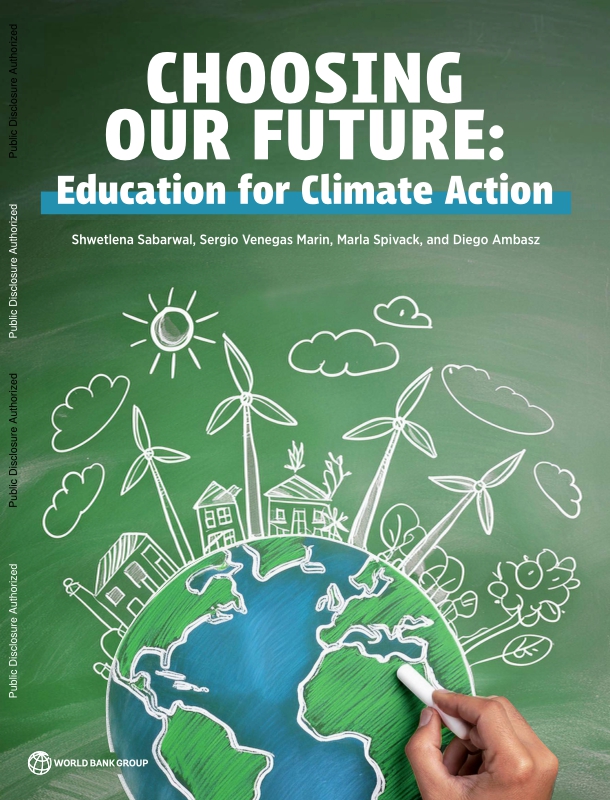
Title page
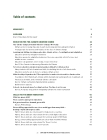
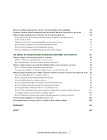
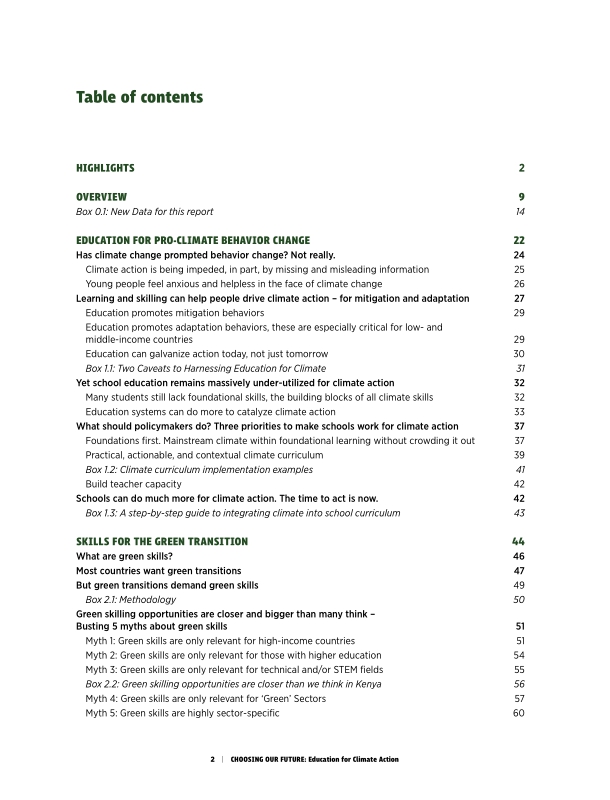
Contents
ACKNOWLEDGEMENTS 6
HIGHLIGHTS 7
OVERVIEW 11
EDUCATION FOR PRO-CLIMATEBE HAVIOR CHANGE 24
Summary 25
Has climate change prompted behavior change? Not really 26
Climate action is being impeded, in part, by missing and misleading information 27
Young people feel anxious and helpless in the face of climate change 27
Learning and skilling can help people drive climate action - for mitigation and adaptation 29
Education promotes mitigation behaviors 30
Education promotes adaptation behaviors, these are especially critical for low- and middle-income countries 31
Education can galvanize action today, not just tomorrow 32
Yet school education remains massively under-utilized for climate action 34
Many students still lack foundational skills, the building blocks of all climate skills 34
Education systems can do more to catalyze climate action 35
What should policymakers do? Three priorities to make schools work for climate action 39
Foundations first. Mainstream climate within foundational learning without crowding it out 39
Practical, actionable, and contextual climate curriculum 41
Build teacher capacity 44
Schools can do much more for climate action. The time to act is now 44
SKILLS FOR THE GREEN TRANSITION 46
Summary 47
What are green skills? 48
Most countries want green transitions 49
But green transitions demand green skills 51
Green skilling opportunities are closer and bigger than manythink - Busting 5 myths about green skills 53
Myth 1: Green skills are only relevant for high-income countries 53
Myth 2: Green skills are only relevant for those with higher education 56
Myth 3: Green skills are only relevant for technical and/or STEM fields 57
Myth 4: Green skills are only relevant for 'Green' Sectors 59
Myth 5: Green skills are highly sector-specific 62
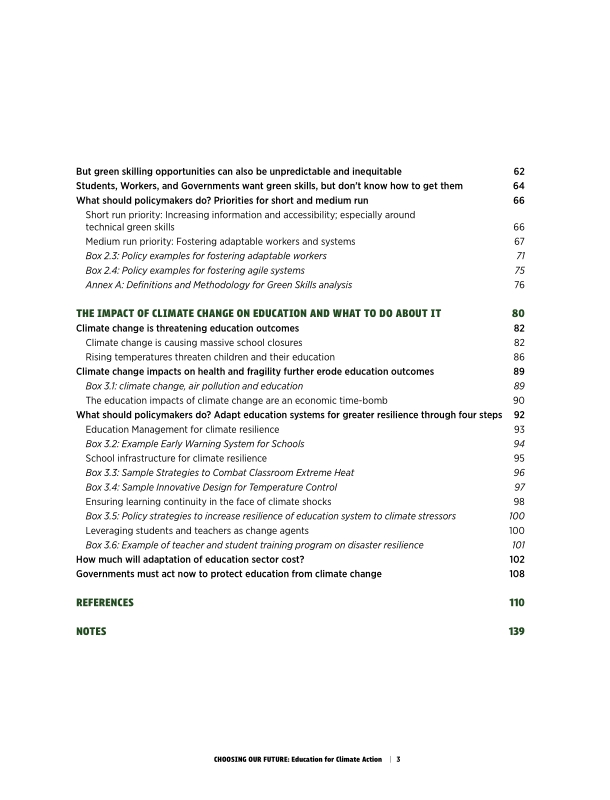
But green skilling opportunities can also be unpredictable and inequitable 64
Students, Workers, and Governments want green skills, but don't know how to get them 66
What should policymakers do? Priorities for short and medium run 68
Short run priority: Increasing information and accessibility; especially around technical green skills 68
Medium run priority: Fostering adaptable workers and systems 69
ANNEX A: DEFINITIONS AND METHODOLOGY FOR GREEN SKILLS ANALYSIS 78
THE IMPACT OF CLIMATE CHANGE ON EDUCATION AND WHAT TO DO ABOUT IT 82
Summary 83
Climate change is threatening education outcomes 84
Climate change is causing massive school closures 84
Rising temperatures threaten children and their education 88
Climate change impacts on health and fragility further erode education outcomes 91
The education impacts of climate change are an economic time-bomb 92
What should policymakers do? Adapt education systems for greater resilience through four steps 94
Education management for climate resilience 95
School infrastructure for climate resilience 97
Ensuring learning continuity in the face of climate shocks 100
Leveraging students and teachers as change agents 102
How much will adaptation of education sector cost? 104
Governments must act now to protect education from climate change 110
REFERENCES 112
NOTES 141
Figure 0.1. Education propels climate action, while climate change threatens education outcomes 12
Figure 0.2. Those with more education show greater concern about climate change 15
Figure 0.3. Education propels climate action 16
Figure 0.4. Green skills are demanded in a wide range of sectors across developing countries 18
Figure 0.5. Climate change threatens education outcomes 19
Figure 0.6. Policy actions to help learning propel climate action 20
Figure 0.7. Most countries experience one more climate-related school closures every year 23
Figure 1.1. Global youth are terrified of the future when it comes to climate change 28
Figure 1.2. Young people feel strongly about the climate but feel less able to make a difference 28
Figure 1.3. Those with more education show greater concern about climate change 30
Figure 1.4. 70% of ten-year-olds cannot read and understand a simple text 35
Figure 1.5. Teachers believe education can and must make a difference in climate action 36
Figure 1.6. Most teachers are including climate topics in their lessons, but also get basic climate questions wrong 37
Figure 1.7. In Bangladesh, more vulnerable students had less climate knowledge 38
Figure 1.8. Framework to make schools work for climate action 39
Figure 1.9. Most teachers believe climate education is critical, but are unwilling to spend much time on it (more than 60 minutes per month) 42
Figure 2.1. The pace of the green skilling varies significantly across the 14 low- and middle-income countries analyzed 50
Figure 2.2/Figure 2.3. Green skills are widely utilized in Egypt, India, and Kenya 54
Figure 2.3/Figure 2.4. The ten fastest growing industries in India demand at least some green skills 55
Figure 2.4/Figure 2.5. Green jobs demand includes across low- medium- and high-skill workers 56
Figure 2.5/Figure 2.6. In Brazil and the Philippines critical thinking, communication, and problem-solving skills are all demanded more frequently in green job... 59
Figure 2.6/Figure 2.7. Green skills are demanded across a range of industries in Brazil 60
Figure 2.7/Figure 2.8. Green skills are needed in a wide range of sectors in the Indian, Egyptian, and Kenyan Economies 61
Figure 2.8/Figure 2.9. Some green skills are versatile and are being used across many industries 62
Figure 2.9/Figure 2.10. Some green skills are being used very widely across industries 63
Figure 2.10/Figure 2.11. Women are more likely to be employed in lower skill green jobs 65
Figure 2.11/Figure 2.12. Medium-Run Approach to skilling for the green transition 69
Figure 3.1. Climate change erodes education outcomes through both direct and indirect impacts 85
Figure 3.2. World Population Affected by Climate Shocks in 1981-2020, 5-Year Moving Average 85
Figure 3.3. Most countries experience more climate-related school closures every year 87
Figure 3.4. Global Incidence of Extreme Heat Days (〉 30℃) in 2020 90
Figure 3.5. Approach to Adapt Education Systems to Climate Change 95
Figure 3.6. To adapt their education systems for climate change, low- and lower-middle-income countries would need greater percentage increases in their education... 106
Figure 3.7. The bi-directional relationship of climate change and education 107
Boxes
BOX 1. NEW DATA FOR THIS REPORT 16
BOX 1.1. TWO CAVEATS TO HARNESSING EDUCATION FOR CLIMATE 33
BOX 1.2. CLIMATE CURRICULUM IMPLEMENTATION EXAMPLES 43
BOX 1.3. A STEP-BY-STEP GUIDE TO INTEGRATING CLIMATE INTO SCHOOL CURRICULUM 45
BOX 2.1. METHODOLOGY 52
BOX 2.2. GREEN SKILLING OPPORTUNITIES ARE CLOSER THAN WE THINK IN KENYA 58
BOX 2.3. POLICY EXAMPLES FOR FOSTERING ADAPTABLE WORKERS 73
BOX 2.4. POLICY EXAMPLES FOR FOSTERING AGILE SYSTEMS 77
BOX 3.1. CLIMATE CHANGE, AIR POLLUTION AND EDUCATION 91
BOX 3.2. EXAMPLE EARLY WARNING SYSTEM FOR SCHOOLS 96
BOX 3.3. SAMPLE STRATEGIES TO COMBAT CLASSROOM EXTREME HEAT 98
BOX 3.4. SAMPLE INNOVATIVE DESIGN FOR TEMPERATURE CONTROL 99
BOX 3.5. POLICY STRATEGIES TO INCREASE RESILIENCE OF EDUCATION SYSTEM TO CLIMATE STRESSORS 102
BOX 3.6. EXAMPLE OF TEACHER AND STUDENT TRAINING PROGRAM ON DISASTER RESILIENCE 103
Annex Figures
Figure A1. Defining high-green, medium-green, low-green, and non-green occupation groups using labor force survey data 79
Figure A2. Step-step process for Green Skills supply analysis 80
*표시는 필수 입력사항입니다.
| 전화번호 |
|---|
| 기사명 | 저자명 | 페이지 | 원문 | 기사목차 |
|---|
| 번호 | 발행일자 | 권호명 | 제본정보 | 자료실 | 원문 | 신청 페이지 |
|---|
도서위치안내: / 서가번호:

우편복사 목록담기를 완료하였습니다.
*표시는 필수 입력사항입니다.
저장 되었습니다.
