
 대표어
대표어
 https://www.bruegel.org/working-paper/long-term-care-policies-practice-european-perspective
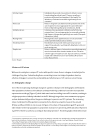
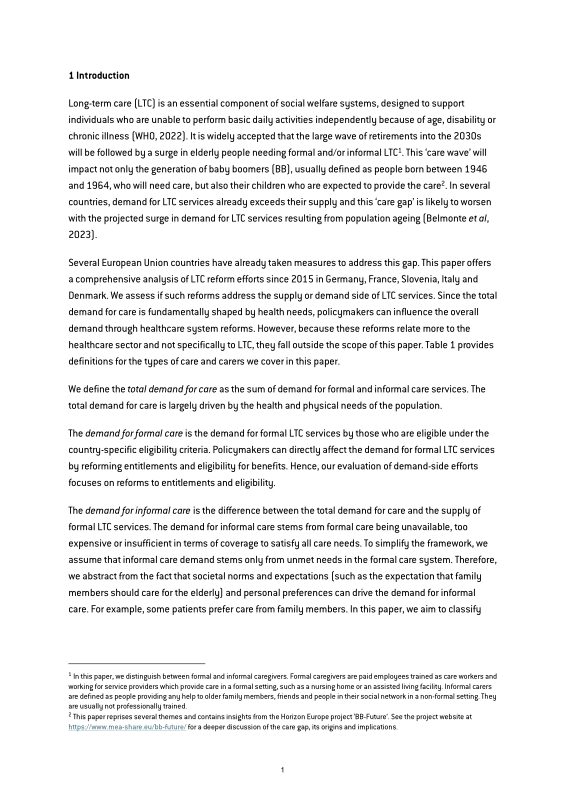
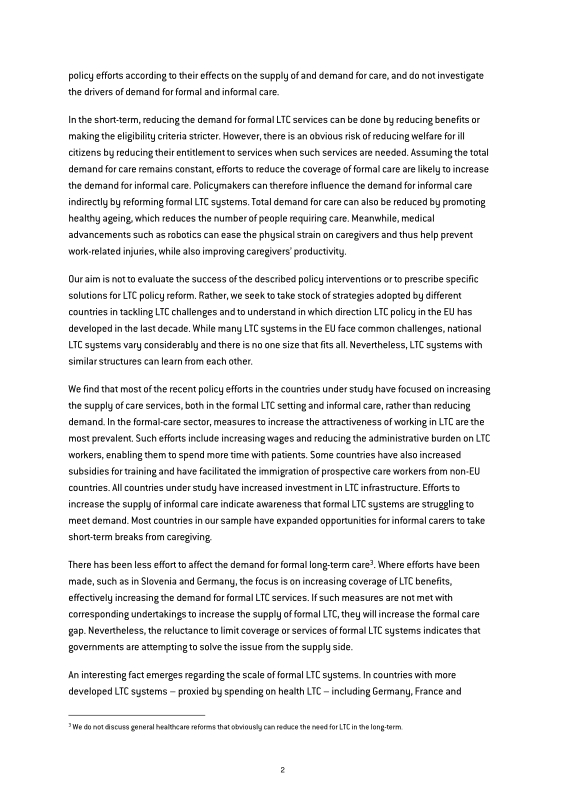
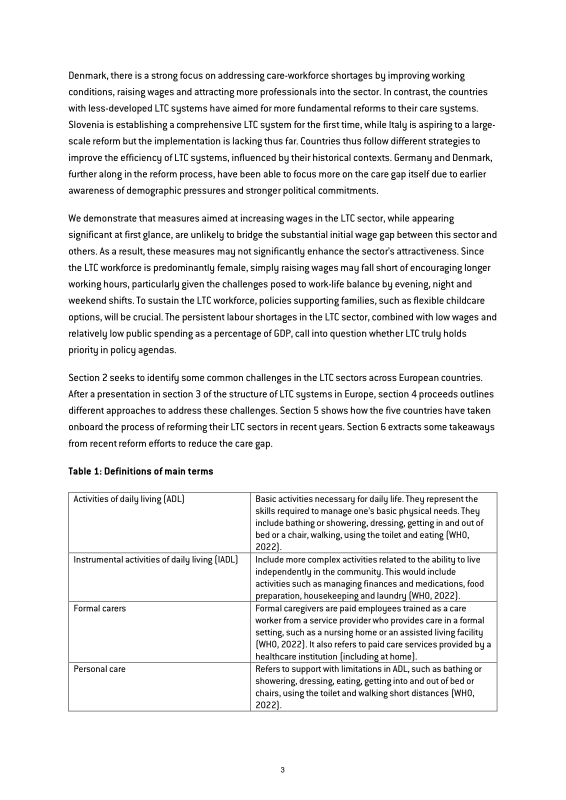
권호기사보기
| 기사명 | 저자명 | 페이지 | 원문 | 기사목차 |
|---|
결과 내 검색
동의어 포함
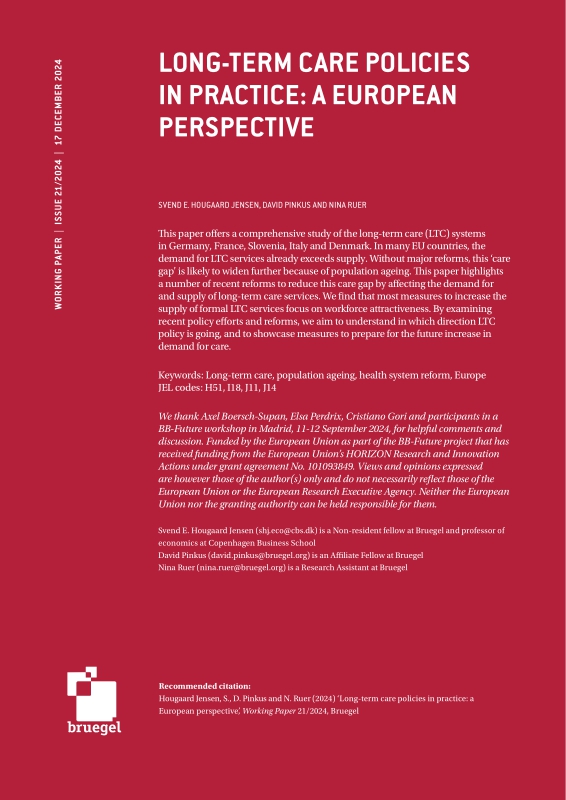
Title page
Contents
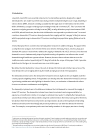
1. Introduction 2
2. Drivers of LTC reform 5
2.1. Demographic change 5
2.2. LTC workforce shortages 7
2.3. Reliance on informal carers 8
2.4. Lack of social recognition of care workers 9
2.5. Financial sustainability of formal LTC systems 10
3. Structure of long-term care systems in Europe 12
3.1. Common elements of LTC systems 12
3.2. LTC systems differ substantially across countries 12
3.3. Financing of LTC systems 16
4. Different approaches to address these challenges 17
5. Recent LTC reforms 18
5.1. LTC workforce attractiveness 19
5.2. Attracting non-EU workers 22
5.3. LTC and informal carers 22
5.4. Reforming LTC benefits 24
5.5. Financing 26
6. Takeaways from recent reform efforts to reduce the care gap 28
7. Conclusion 32
References 35
Appendix 1: More detail on residential and home care services 38
Appendix 2: Detailed information on leave provisions 40
Figure 1. Life expectancy at 85 6
Figure 2. Share of 85+ in total population 6
Figure 3. Unmet needs among people with limitations in activities of daily living 7
Figure 4. Estimated prevalence of dementia among people aged 60 and over 7
Figure 5. Percentage of the economy-wide gross average hourly wage, 2018 8
Figure 6. Share of informal carers among the population aged 50+, 2019 (or nearest year), % 9
Figure 7. Long-term care financing in % of GDP, 2022 11
*표시는 필수 입력사항입니다.
| 전화번호 |
|---|
| 기사명 | 저자명 | 페이지 | 원문 | 기사목차 |
|---|
| 번호 | 발행일자 | 권호명 | 제본정보 | 자료실 | 원문 | 신청 페이지 |
|---|
도서위치안내: / 서가번호:

우편복사 목록담기를 완료하였습니다.
*표시는 필수 입력사항입니다.
저장 되었습니다.
