
 대표어
대표어
 https://www.cgdev.org/publication/what-does-it-mean-agencies-be-effective-changing-development-landscape

권호기사보기
| 기사명 | 저자명 | 페이지 | 원문 | 기사목차 |
|---|
결과 내 검색
동의어 포함
Title page
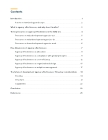
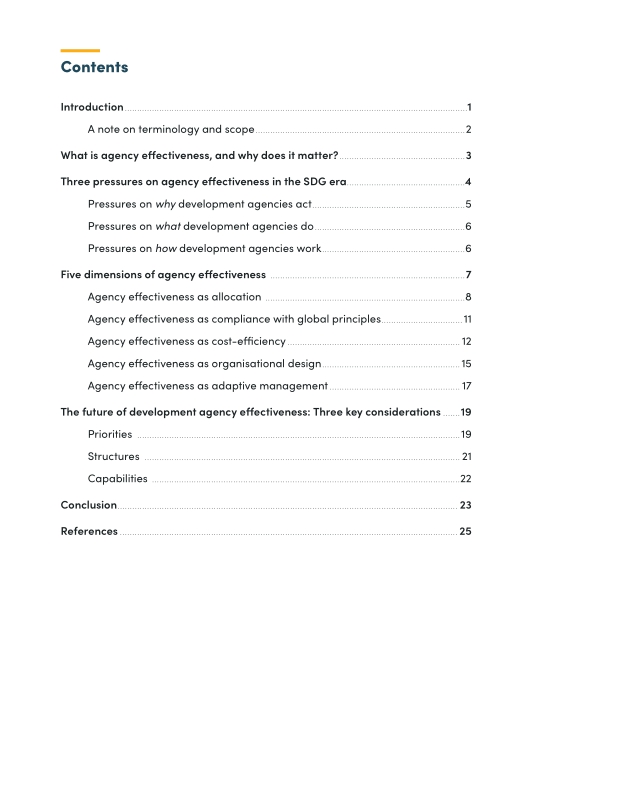
Contents
Abstract 1
Introduction 5
A note on terminology and scope 6
What is agency effectiveness, and why does it matter? 7
Three pressures on agency effectiveness in the SDG era 8
Pressures on why development agencies act 9
Pressures on what development agencies do 10
Pressures on how development agencies work 10
Five dimensions of agency effectiveness 11
Agency effectiveness as allocation 12
Agency effectiveness as compliance with global principles 15
Agency effectiveness as cost-efficiency 16
Agency effectiveness as organisational design 19
Agency effectiveness as adaptive management 21
The future of development agency effectiveness: Three key considerations 23
Priorities 23
Structures 25
Capabilities 26
Conclusion 27
References 29
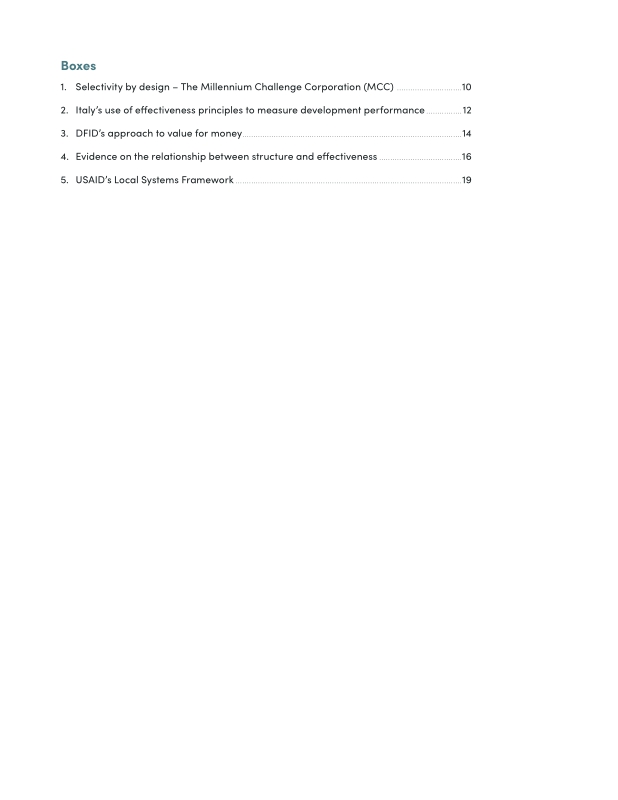
Boxes
BOX 1. Selectivity by design - The Millennium Challenge Corporation (MCC) 14
BOX 2. Italy's use of effectiveness principles to measure development performance 16
BOX 3. DFID's approach to value for money 18
BOX 4. Evidence on the relationship between structure and effectiveness 20
BOX 5. USAID's Local Systems Framework 23
*표시는 필수 입력사항입니다.
| 전화번호 |
|---|
| 기사명 | 저자명 | 페이지 | 원문 | 기사목차 |
|---|
| 번호 | 발행일자 | 권호명 | 제본정보 | 자료실 | 원문 | 신청 페이지 |
|---|
도서위치안내: / 서가번호:

우편복사 목록담기를 완료하였습니다.
*표시는 필수 입력사항입니다.
저장 되었습니다.
