
 대표어
대표어
 https://www.wri.org/research/united-states-should-not-turn-food-aviation-fuel
권호기사보기
| 기사명 | 저자명 | 페이지 | 원문 | 기사목차 |
|---|
결과 내 검색
동의어 포함
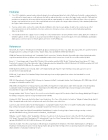
Emissions from domestic aviation are responsible for 3 percent of annual US greenhouse gas output and are expected to increase by 2–3 percent per year through midcentury unless the course is corrected. In contrast, emissions from ground transportation are expected to decline as vehicles become more efficient and are increasingly electrified.
Aircraft efficiency is improving, but not fast enough to keep up with increasing air travel. While some short-haul flights can be replaced with high-speed rail and could possibly be electrified in the future, most of the emissions reductions needed from aviation through midcentury will have to be achieved through alternative liquid fuels—also known as sustainable aviation fuel (SAF)—or compensated for through carbon dioxide removal.
Not all alternatives to petroleum jet fuel reduce the environmental impact of air travel, and they often have unwanted side effects. For example, diverting soybeans and corn from food and feed markets to make fuel—currently the leading approaches to producing alternative jet fuel in the United States—harms consumers by driving up food prices (Malins 2023) and leads to deforestation, biodiversity loss, and emissions from land-use change.
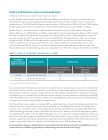
Federal and state support for alternatives to petroleum jet fuel should focus on approaches that avoid the conflict between food and fuel production by using waste biomass, carbon captured from the atmosphere, and clean hydrogen as feedstocks for SAF.
Technologies such as biomass gasification, Fischer-Tropsch fuel synthesis, and electrofuels (e-fuels) made from clean hydrogen and captured carbon dioxide are nascent but have the potential to produce truly sustainable aviation fuel (Energy Institute 2024; Ringle 2024; Twelve n.d.).*표시는 필수 입력사항입니다.
| 전화번호 |
|---|
| 기사명 | 저자명 | 페이지 | 원문 | 기사목차 |
|---|
| 번호 | 발행일자 | 권호명 | 제본정보 | 자료실 | 원문 | 신청 페이지 |
|---|
도서위치안내: / 서가번호:

우편복사 목록담기를 완료하였습니다.
*표시는 필수 입력사항입니다.
저장 되었습니다.
