
 대표어
대표어
 https://www.ceps.eu/ceps-publications/eu-economic-security-confronting-the-dual-challenge-of-china-and-the-us/
권호기사보기
| 기사명 | 저자명 | 페이지 | 원문 | 기사목차 |
|---|
결과 내 검색
동의어 포함
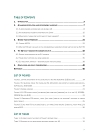
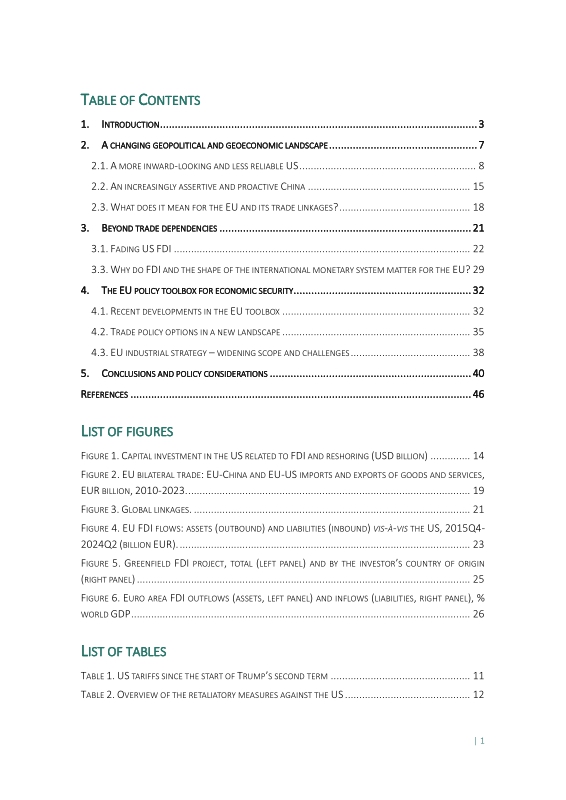
Title page 1
Contents 3
SUMMARY 2
1. INTRODUCTION 5
2. A CHANGING GEOPOLITICAL AND GEOECONOMIC LANDSCAPE 9
2.1. A MORE INWARD-LOOKING AND LESS RELIABLE US 10
2.2. AN INCREASINGLY ASSERTIVE AND PROACTIVE CHINA 17
2.3. WHAT DOES IT MEAN FOR THE EU AND ITS TRADE LINKAGES? 20
3. BEYOND TRADE DEPENDENCIES 23
3.1. FADING US FDI 24
3.2. CHINA'S SEARCH FOR AN ALTERNATIVE TO THE WEST-CENTRED MONETARY AND FINANCIAL SYSTEM 29
3.3. WHY DO FDI AND THE SHAPE OF THE INTERNATIONAL MONETARY SYSTEM MATTER FOR THE EU? 31
4. THE EU POLICY TOOLBOX FOR ECONOMIC SECURITY 34
4.1. RECENT DEVELOPMENTS IN THE EU TOOLBOX 34
4.2. TRADE POLICY OPTIONS IN A NEW LANDSCAPE 37
4.3. EU INDUSTRIAL STRATEGY - WIDENING SCOPE AND CHALLENGES 40
5. CONCLUSIONS AND POLICY CONSIDERATIONS 42
REFERENCES 48
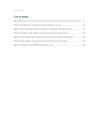
Tables 3
Table 1. US tariffs since the start of Trump's second term 13
Table 2. Overview of the retaliatory measures against the US 14
Figures 3
Figure 1. Capital investment in the US related to FDI and reshoring 16
Figure 2. EU bilateral trade: EU-China and EU-US imports and exports of goods and services, EUR billion, 2010-2023 21
Figure 3. Global linkages 23
Figure 4. EU FDI flows: assets (outbound) and liabilities (inbound) vis-à-vis the US, 2015Q4-2024Q2 25
Figure 5. Greenfield FDI project, total (left panel) and by the investor's country of origin (right panel) 27
Figure 6. Euro area FDI outflows (assets, left panel) and inflows (liabilities, right panel), % world GDP 28
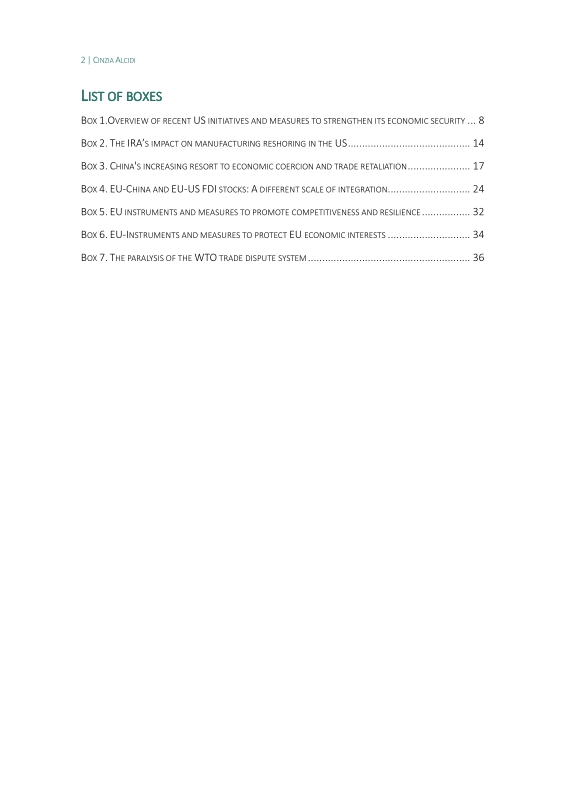
Boxes 4
Box 1.Overview of recent US initiatives and measures to strengthen its economic security 10
Box 2. The IRA's impact on manufacturing reshoring in the US 16
Box 3. China's increasing resort to economic coercion and trade retaliation 19
Box 4. EU-China and EU-US FDI stocks: A different scale of integration 26
Box 5. EU instruments and measures to promote competitiveness and resilience 34
Box 6. EU-Instruments and measures to protect EU economic interests 36
Box 7. The paralysis of the WTO trade dispute system 38
*표시는 필수 입력사항입니다.
| 전화번호 |
|---|
| 기사명 | 저자명 | 페이지 | 원문 | 기사목차 |
|---|
| 번호 | 발행일자 | 권호명 | 제본정보 | 자료실 | 원문 | 신청 페이지 |
|---|
도서위치안내: / 서가번호:

우편복사 목록담기를 완료하였습니다.
*표시는 필수 입력사항입니다.
저장 되었습니다.
