
 대표어
대표어
 https://documents.worldbank.org/en/publication/documents-reports/documentdetail/099838203052621345
권호기사보기
| 기사명 | 저자명 | 페이지 | 원문 | 기사목차 |
|---|
결과 내 검색
동의어 포함
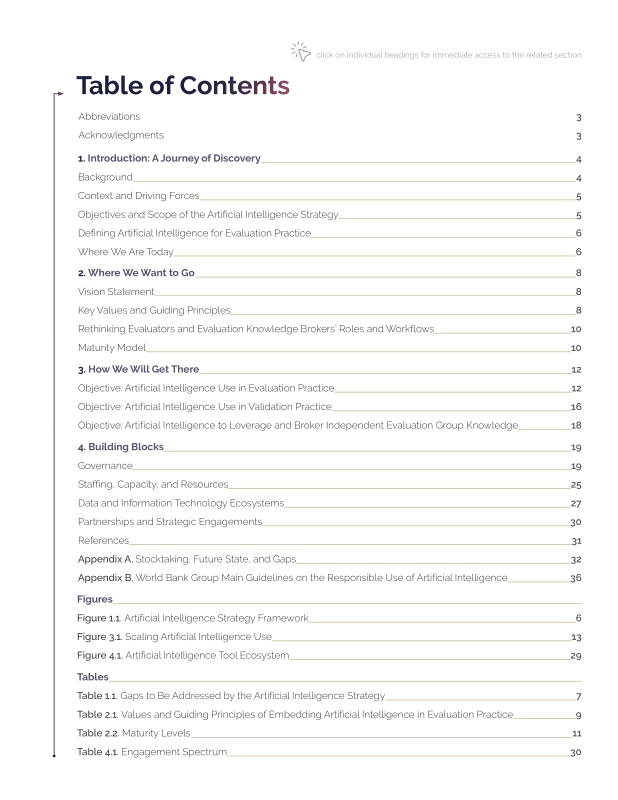
Title page 1
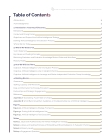
Contents 2
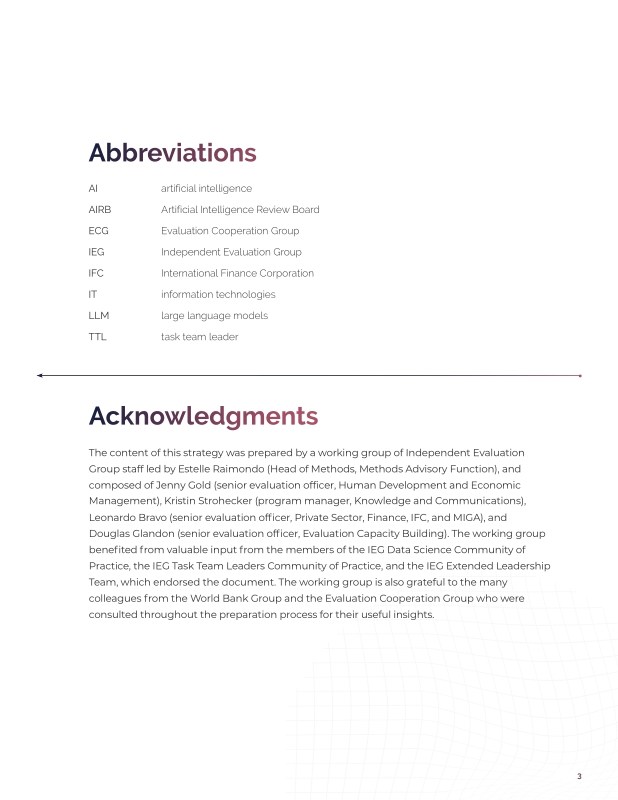
Abbreviations 3
Acknowledgments 3
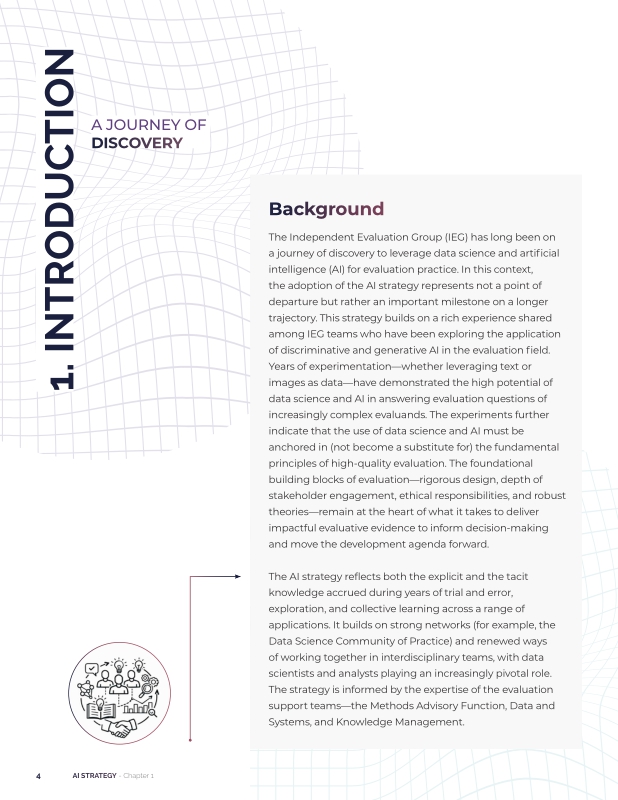
1. INTRODUCTION: A JOURNEY OF DISCOVERY 4
Background 4
Context and Driving Forces 5
Objectives and Scope of the Artificial Intelligence Strategy 5
Defining Artificial Intelligence for Evaluation Practice 6
Where We Are Today 6
2. WHERE WE WANT TO GO: STEPS ON THIS JOURNEY OF DISCOVERY 8
Vision Statement 8
Key Values and Guiding Principles 8
Rethinking Evaluators and Evaluation Knowledge Brokers’ Roles and Workflows 10
Maturity Model 10
3. HOW WE WILL GET THERE: MAIN OBJECTIVES 12
Objective: Artificial Intelligence Use in Evaluation Practice 12
Objective: Artificial Intelligence Use in Validation Practice 16
Objective: Artificial Intelligence to Leverage and Broker Independent Evaluation Group Knowledge 18
4. BUILDING BLOCKS: IMPLEMENTING THE STRATEGY 19
Governance 19
Staffing, Capacity, and Resources 25
Data and Information Technology Ecosystems 27
Partnerships and Strategic Engagements 30
References 31
Appendixes 32
Appendix A. Stocktaking, Future State, and Gaps 32
Appendix B. World Bank Group Main Guidelines on the Responsible Use of Artificial Intelligence 36
References 38
Tables 2
Table 1.1. Gaps to Be Addressed by the Artificial Intelligence Strategy 7
Table 2.1. Values and Guiding Principles of Embedding Artificial Intelligence in Evaluation Practice 9
Table 2.2. Maturity Levels 11
Table 4.1. Engagement Spectrum 30
Figures 2
Figure 1.1. Artificial Intelligence Strategy Framework 6
Figure 3.1. Scaling Artificial Intelligence Use 13
Figure 4.1. Artificial Intelligence Tool Ecosystem 29
Appendix Figures 36
Figure B.1. Artificial Intelligence Risk Management 36
Figure B.2. Artificial Intelligence Prohibited Practices 37
*표시는 필수 입력사항입니다.
| 전화번호 |
|---|
| 기사명 | 저자명 | 페이지 | 원문 | 기사목차 |
|---|
| 번호 | 발행일자 | 권호명 | 제본정보 | 자료실 | 원문 | 신청 페이지 |
|---|
도서위치안내: / 서가번호:

우편복사 목록담기를 완료하였습니다.
*표시는 필수 입력사항입니다.
저장 되었습니다.
