
 대표어
대표어
 https://op.europa.eu/en/publication-detail/-/publication/d45d9c00-2a54-11f1-906d-01aa75ed71a1/language-en?WT.mc_id=Selectedpublications&WT.ria_c=41957&WT.ria_f=6415&WT.ria_ev=search
권호기사보기
| 기사명 | 저자명 | 페이지 | 원문 | 기사목차 |
|---|
결과 내 검색
동의어 포함
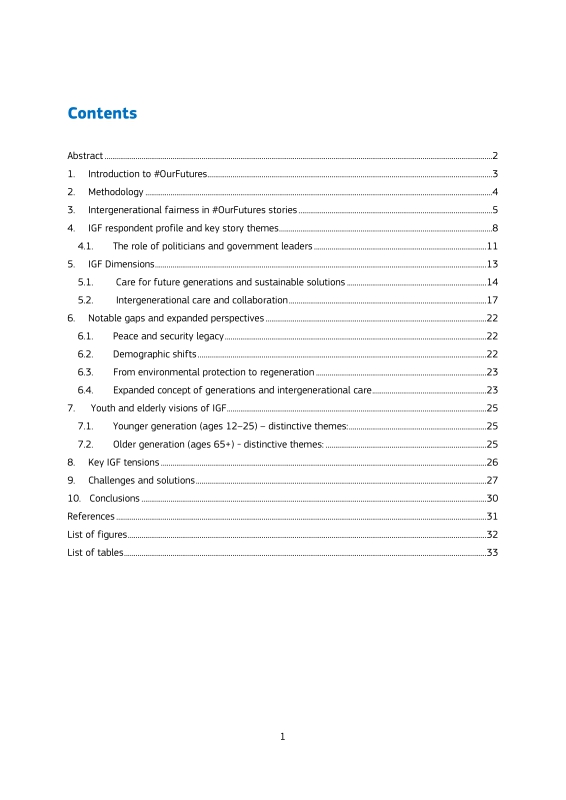
Title page 1
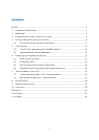
Contents 4
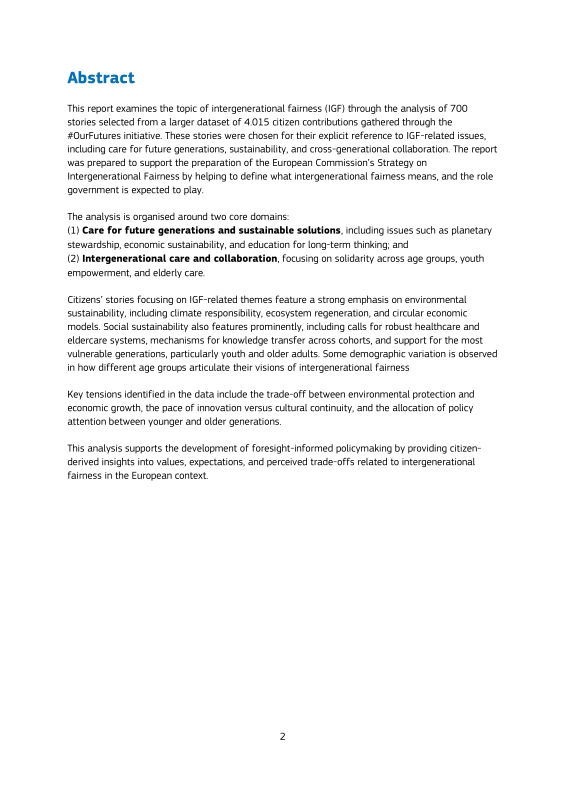
Abstract 5
1. Introduction to #OurFutures 6
2. Methodology 7
3. Intergenerational fairness in #OurFutures stories 8
4. IGF respondent profile and key story themes 11
4.1. The role of politicians and government leaders 14
5. IGF Dimensions 16
5.1. Care for future generations and sustainable solutions 17
I. Planetary stewardship and climate responsibility 17
II. Economic sustainability and fair resource distribution 18
III. Knowledge transfer and cultural continuity 19
5.2. Intergenerational care and collaboration 20
IV. Sustainable care and well-being frameworks 20
V. Future youth protection and empowerment 21
VI. Future elderly protection and support 23
6. Notable gaps and expanded perspectives 25
6.1. Peace and security legacy 25
6.2. Demographic shifts 25
6.3. From environmental protection to regeneration 26
6.4. Expanded concept of generations and intergenerational care 26
7. Youth and elderly visions of IGF 28
7.1. Younger generation (ages 12-25) - distinctive themes 28
7.2. Older generation (ages 65+) - distinctive themes 28
8. Key IGF tensions 29
9. Challenges and solutions 30
10. Conclusions 33
References 34
Tables 36
Table 1. Dimensions of Intergenerational Fairness found in stories 16
Table 2. Challenges and solutions found in stories 31
Figures 35
Figure 1. Number of stories with IGF dimension - by age group 11
Figure 2. Self-reported feeling about the future (% of stories with an IGF dimension by emotional tone) 11
Figure 3. Theme of the future story 12
Figure 4. Distribution of stories according to what matters most to the respondent in their shared future image (as self-reported in the online survey) 13
Figure 5. Distribution of stories according to who can make the change happen around their story theme(s) 13
*표시는 필수 입력사항입니다.
| 전화번호 |
|---|
| 기사명 | 저자명 | 페이지 | 원문 | 기사목차 |
|---|
| 번호 | 발행일자 | 권호명 | 제본정보 | 자료실 | 원문 | 신청 페이지 |
|---|
도서위치안내: / 서가번호:

우편복사 목록담기를 완료하였습니다.
*표시는 필수 입력사항입니다.
저장 되었습니다.
