
 대표어
대표어
 https://openknowledge.worldbank.org/entities/publication/cf8a1ce4-27af-494a-9d0f-268819dbf6fd
권호기사보기
| 기사명 | 저자명 | 페이지 | 원문 | 기사목차 |
|---|
결과 내 검색
동의어 포함
Title page 1
Contents 1
Abstract 2
Introduction 4
The Recent Past 5
The Present 7
The Future: What Is to Be Done? 12
Conclusion 17
References 17
Appendix 18
Figures 5
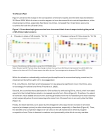
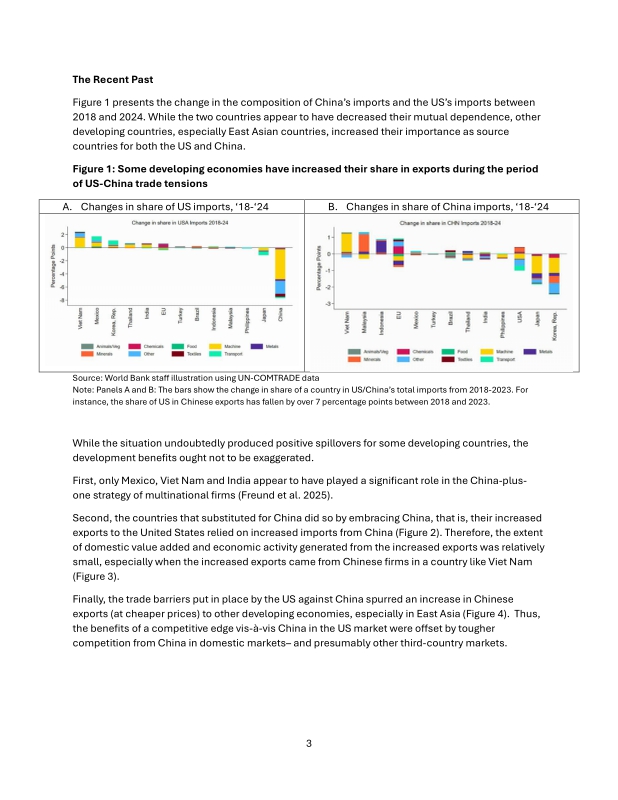
Figure 1. Some developing economies have increased their share in exports during the period of US-China trade tensions 5
Figure 2. Export growth to the US in electronics was associated with increased imports from China 6
Figure 3. Domestic value added depended on the origin of the firms 6
Figure 4. China' value of exports to the rest of the region and other EMDEs has more than doubled since 2017; the volume of exports increased,... 7
Figure 5. The US supreme court ruling on February 20, 2026 lowered US weighted tariffs, but tariffs remain higher than those prevailing... 8
Figure 6. Several developing economies are highly exposed to external demand 9
Figure 7. Higher US tariffs are likely to hurt exports and real incomes 10
Figure 8. Increasingly stringent - still undisclosed - rules of origin could challenge exporters in some countries/sectors, especially in East Asia 11
Figure 9. Rules of origin could also induce increases in domestic value added: e.g. in firms in Viet Nam 12
Figure 10. Responding to foreign protection in goods trade by liberalizing vis-à-vis all trading partners would lead to higher allocative efficiency 13
Figure 11. US and China display comparative advantage in different products 14
Figure 12. In many developing countries, non-tariff measures and restrictions on services trade are higher than in advanced economies,... 15
Figure 13. In Viet Nam, removing barriers to entry and competition in services increased labor productivity of services firms (+2.9% yearly)... 16
Appendix Tables 18
Table A.1. Estimated effects of US tariffs on imports to the US 18
Table A.2. Estimated effects of US tariffs on real income 19
Table A.3. Estimated effects of US tariffs on allocative efficiency, by response 20
Table A.4. Initial reactions of East Asian countries (as of August 2025) to US tariff rates (from World Bank, 2025b) 21
*표시는 필수 입력사항입니다.
| 전화번호 |
|---|
| 기사명 | 저자명 | 페이지 | 원문 | 기사목차 |
|---|
| 번호 | 발행일자 | 권호명 | 제본정보 | 자료실 | 원문 | 신청 페이지 |
|---|
도서위치안내: / 서가번호:

우편복사 목록담기를 완료하였습니다.
*표시는 필수 입력사항입니다.
저장 되었습니다.
