
 대표어
대표어
 https://documents.worldbank.org/en/publication/documents-reports/documentdetail/099053026105038742
권호기사보기
| 기사명 | 저자명 | 페이지 | 원문 | 기사목차 |
|---|
결과 내 검색
동의어 포함
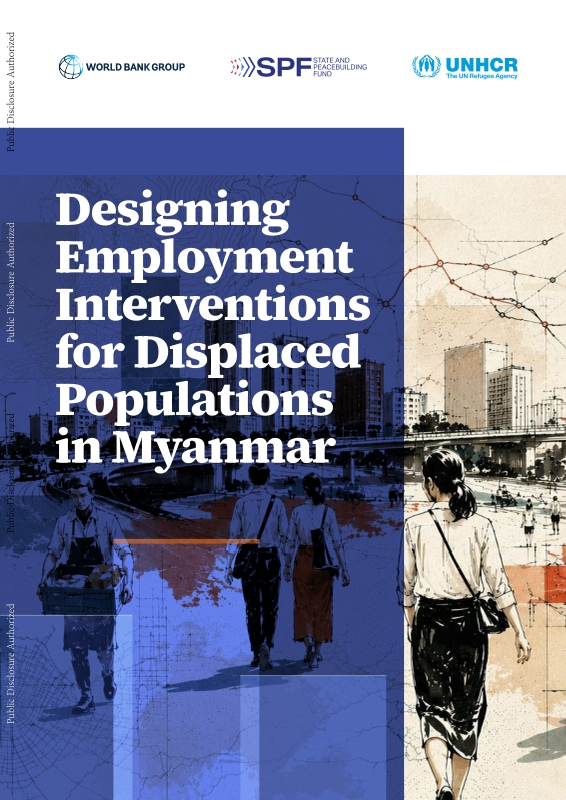
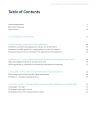
Title page 1
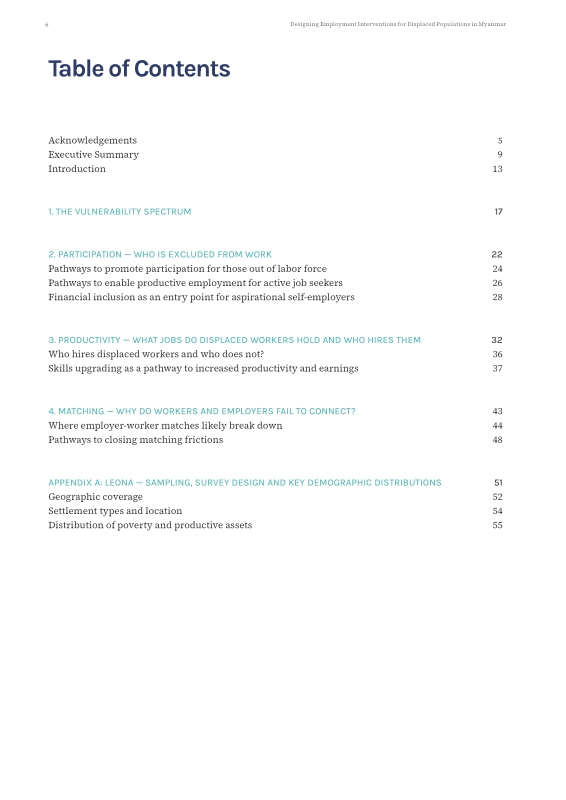
Contents 5
Acknowledgements 4
Executive Summary 8
Introduction 12
1. The Vulnerability Spectrum 16
2. Participation - who is excluded from work 21
Pathways to promote participation for those out of labor force 23
Pathways to enable productive employment for active job seekers 25
Financial inclusion as an entry point for aspirational self-employers 27
3. Productivity - what jobs do displaced workers hold and who hires them 31
Who hires displaced workers and who does not? 35
Skills upgrading as a pathway to increased productivity and earnings 36
4. Matching - Why do workers and employers fail to connect? 42
Where employer-worker matches likely break down 43
Pathways to closing matching frictions 47
Appendix A. LEONA - sampling, survey design and key demographic distributions 50
Geographic coverage 51
Settlement types and location 53
Distribution of poverty and productive assets 54
Figure i. The Participation-Productivity-Mismatches (PPM) framework to identify potential entry points 14
Figure 1. Population share of IDPs and returnees within states, regions and sub-regions 17
Figure 2. Population share exhibiting characteristics consistent with resilient solutions 17
Figure 3. Estimated populations by township by potential for livelihood or emergency interventions 19
Figure 4. Employment trends over the spectrum of vulnerability 21
Figure 5. Employment patterns by individual characteristics and over the vulnerability spectrum 22
Figure 6. Embedded human capital among individuals currently in NEET status 23
Figure 7. Main sectors of employment for willing job seekers 25
Figure 8. Embedded human capital among job seekers across the three groups 26
Figure 9. Financial access among groups 28
Figure 10. Type of employment by category 31
Figure 11. Socioeconomic profile of casual and self-employed workers 32
Figure 12. Casual wage distribution 33
Figure 13.1. Fraction of minimum wages on offer and share of workers across agricultural jobs 37
Figure 13.2. Fraction of minimum wages on offer and share of workers in non-agricultural jobs 37
Figure 14. The main challenge of matching displaced workers to prospective employers 42
Figure 15. Role of village heads in job matching 43
Figure 16. Mobility related challenges reported by workers and seekers in the transitional group 44
Figure 17. Wage expectation of seekers, wage received by workers and wages offered by employers 45
Figure 18. Documentation requirements to gain employment 46
Figure A.1. Coverage by Population Group at the Admin 3 Level 52
Figure A.2. Proportion of IDP and returnee household residing in displacement sites or camp-like settings 53
Figure A.3. Poverty distribution at the township level 54
Figure A.4. Distribution of productive assets 55
*표시는 필수 입력사항입니다.
| 전화번호 |
|---|
| 기사명 | 저자명 | 페이지 | 원문 | 기사목차 |
|---|
| 번호 | 발행일자 | 권호명 | 제본정보 | 자료실 | 원문 | 신청 페이지 |
|---|
도서위치안내: / 서가번호:

우편복사 목록담기를 완료하였습니다.
*표시는 필수 입력사항입니다.
저장 되었습니다.
