
 대표어
대표어
 https://www.bruegel.org/working-paper/sober-look-case-common-european-union-debt
권호기사보기
| 기사명 | 저자명 | 페이지 | 원문 | 기사목차 |
|---|
결과 내 검색
동의어 포함
Title page 1
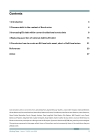
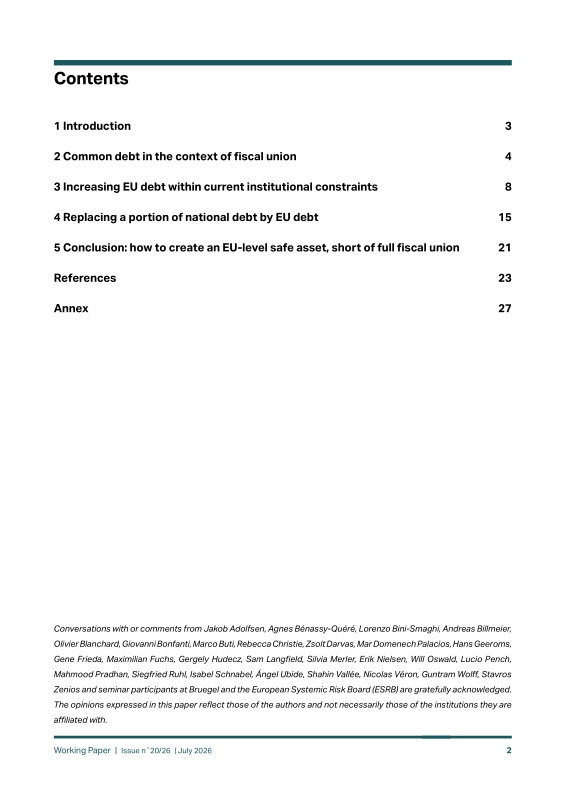
Contents 2
1. Introduction 3
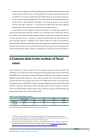
2. Common debt in the context of fiscal union 4
2.1. Elimination of the bank-sovereign doom loop 5
2.2. Elimination of periphery-to-core runs and the benefits of safe-haven status 6
2.3. Lower borrowing costs 7
2.4. Capital market integration 8
2.5. A greater international role for the euro 8
3. Increasing EU debt within current institutional constraints 8
3.1. Elimination of the bank-sovereign doom loop? 9
3.2. Periphery-to-core runs and safe-haven status? 9
3.3. Lower borrowing costs? 12
3.4. Capital market development? 14
3.5. International role of the euro? 15
4. Replacing a portion of national debt by EU debt 15
4.1. Proposals 15
4.2/4.3. Expected properties 18
4.3/4.4. A trilemma and how to escape it 19
5. Conclusion: how to create an EU-level safe asset, short of full fiscal union 21
References 23
Annex 27
Figure 1. Reaction 10-year yields to changes in the VIX 7
Figure 2. Reactions of yields to changes in the VIX: EU-level bonds vs. EU sovereign bonds 10
Figure 3. Liquidity indicators of EU-level supranational and EU sovereign bonds 11
Figure 4. Changes in market size and daily trading volumes, 2022-2026 11
Figure 5. Yield differences between EU-level supranational bonds and EU sovereign bonds 12
Figure A1. Correlation of daily changes in 10-year yields and US equity prices 27
Figure A2. Correlation of daily changes in 10-year yields and the VIX controlling for interest rate expectations 27
Figure A3. Correlation of daily changes in 10-year yields and the VSTOXX 28
Figure A4. Correlation of daily changes in 10-year yields and the VIX, 2025 28
*표시는 필수 입력사항입니다.
| 전화번호 |
|---|
| 기사명 | 저자명 | 페이지 | 원문 | 기사목차 |
|---|
| 번호 | 발행일자 | 권호명 | 제본정보 | 자료실 | 원문 | 신청 페이지 |
|---|
도서위치안내: / 서가번호:

우편복사 목록담기를 완료하였습니다.
*표시는 필수 입력사항입니다.
저장 되었습니다.
