
 대표어
 https://www.census.gov/library/working-papers/2026/adrm/rsm2026-08.html
권호기사보기
| 기사명 | 저자명 | 페이지 | 원문 | 기사목차 |
|---|
결과 내 검색
동의어 포함
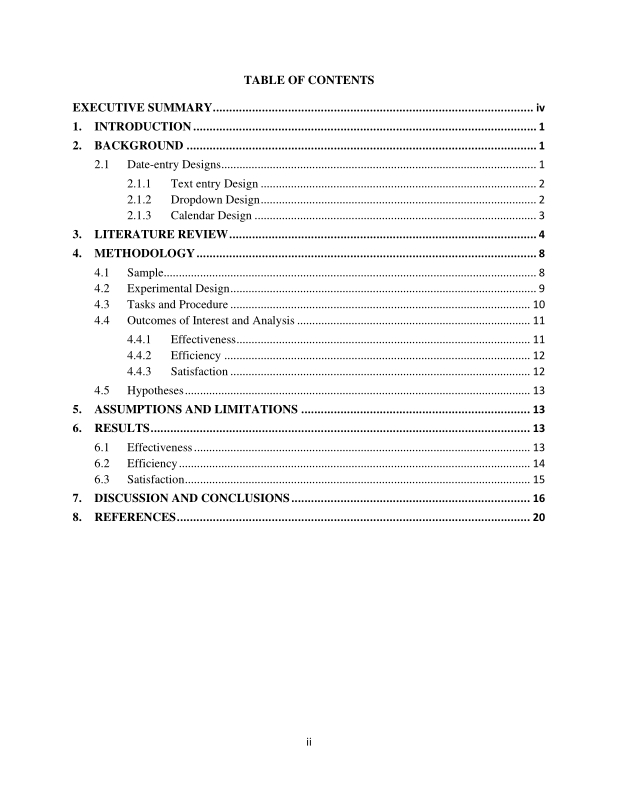
Title page 1
Contents 3
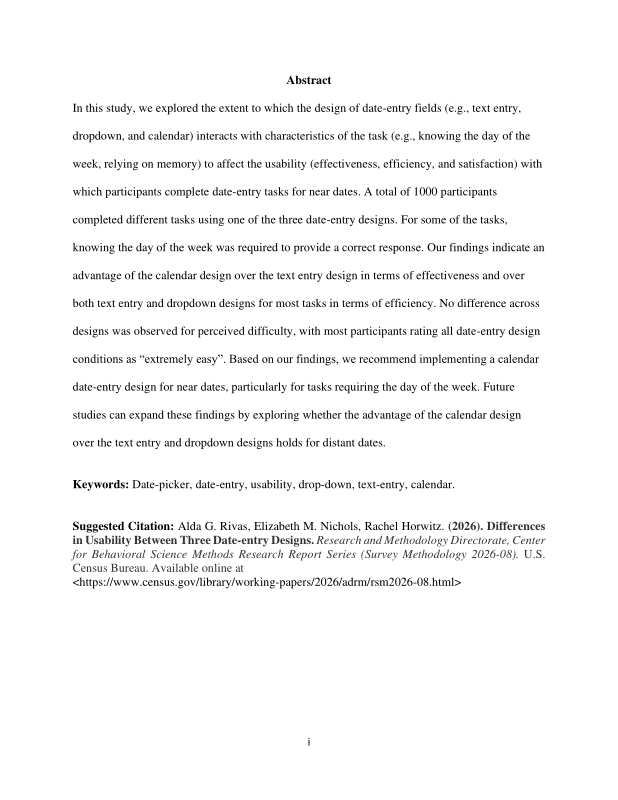
ABSTRACT 2
EXECUTIVE SUMMARY 5
1. INTRODUCTION 6
2. BACKGROUND 6
2.1. Date-entry Designs 6
2.1.1. Text entry Design 7
2.1.2. Dropdown Design 7
2.1.3. Calendar Design 8
3. LITERATURE REVIEW 9
4. METHODOLOGY 13
4.1. Sample 13
4.2. Experimental Design 14
4.3. Tasks and Procedure 15
4.4. Outcomes of Interest and Analysis 16
4.4.1. Effectiveness 16
4.4.2. Efficiency 17
4.4.3. Satisfaction 17
4.5. Hypotheses 18
5. ASSUMPTIONS AND LIMITATIONS 18
6. RESULTS 18
6.1. Effectiveness 18
6.2. Efficiency 19
6.3. Satisfaction 20
7. DISCUSSION AND CONCLUSIONS 21
8. REFERENCES 25
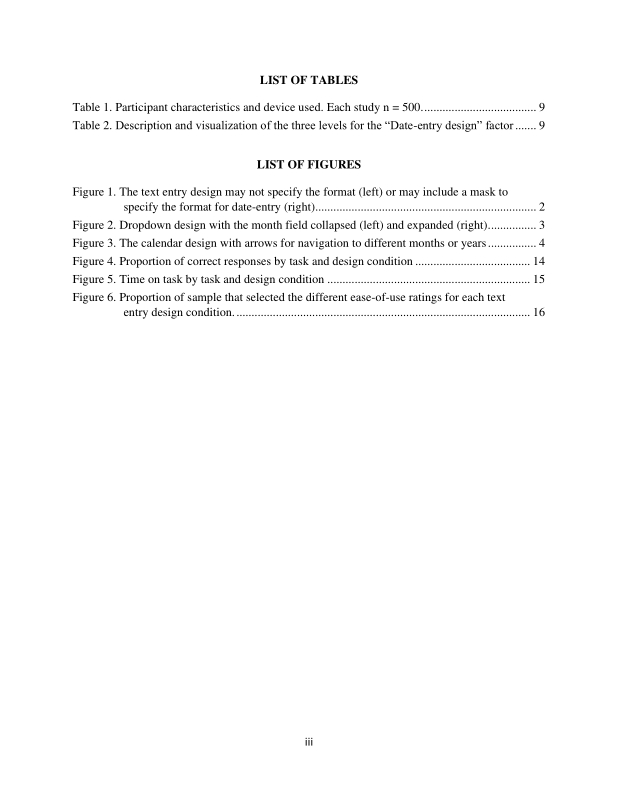
Figure 1. The text entry design may not specify the format (left) or may include a mask to specify the format for date-entry (right) 7
Figure 2. Dropdown design with the month field collapsed (left) and expanded (right) 8
Figure 3. The calendar design with arrows for navigation to different months or years 9
Figure 4. Proportion of correct responses by task and design condition 19
Figure 5. Time on task by task and design condition 20
Figure 6. Proportion of sample that selected the different ease-of-use ratings for each text entry design condition 21
*표시는 필수 입력사항입니다.
| 전화번호 |
|---|
| 기사명 | 저자명 | 페이지 | 원문 | 기사목차 |
|---|
| 번호 | 발행일자 | 권호명 | 제본정보 | 자료실 | 원문 | 신청 페이지 |
|---|
도서위치안내: / 서가번호:

우편복사 목록담기를 완료하였습니다.
*표시는 필수 입력사항입니다.
저장 되었습니다.
