
 대표어
대표어
 https://post.parliament.uk/research-briefings/post-pn-0782/
권호기사보기
| 기사명 | 저자명 | 페이지 | 원문 | 기사목차 |
|---|
결과 내 검색
동의어 포함
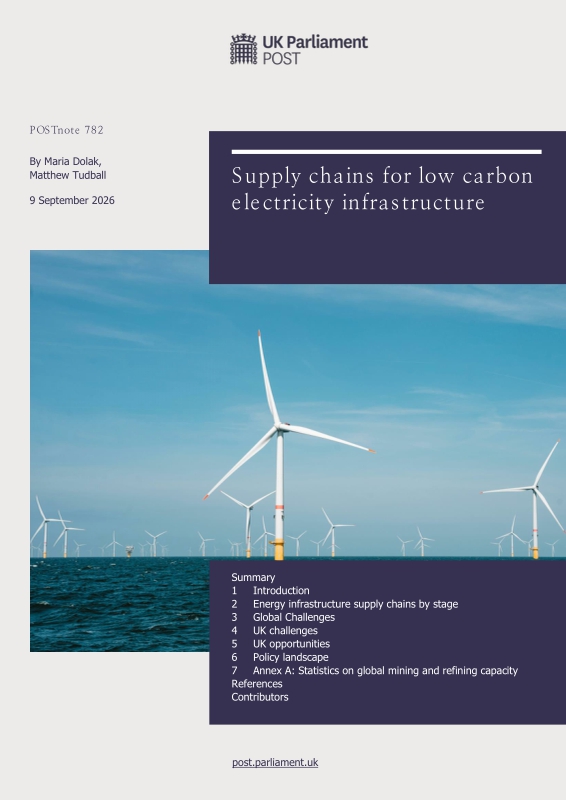
Title page 1
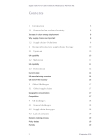
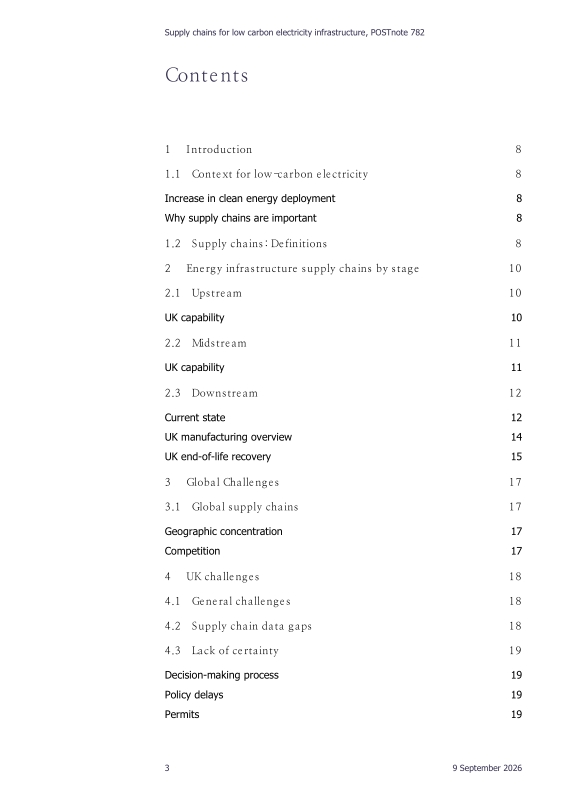
Contents 3
Summary 5
1. Introduction 8
1.1. Context for low-carbon electricity 8
Increase in clean energy deployment 8
Why supply chains are important 8
1.2. Supply chains: Definitions 8
2. Energy infrastructure supply chains by stage 10
2.1. Upstream 10
UK capability 10
2.2. Midstream 11
UK capability 11
2.3. Downstream 12
Current state 12
UK manufacturing overview 14
UK end-of-life recovery 15
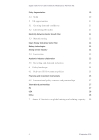
3. Global Challenges 17
3.1. Global supply chains 17
Geographic concentration 17
Competition 17
4. UK challenges 18
4.1. General challenges 18
4.2. Supply chain data gaps 18
4.3. Lack of certainty 19
Decision-making process 19
Policy delays 19
Permits 19
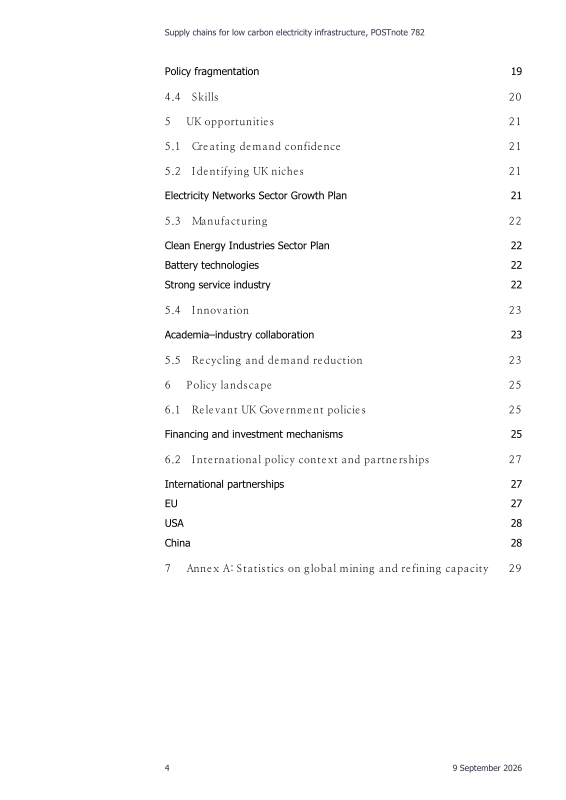
Policy fragmentation 19
4.4. Skills 20
5. UK opportunities 21
5.1. Creating demand confidence 21
5.2. Identifying UK niches 21
Electricity Networks Sector Growth Plan 21
5.3. Manufacturing 22
Clean Energy Industries Sector Plan 22
Battery technologies 22
Strong service industry 22
5.4. Innovation 23
Academia-industry collaboration 23
5.5. Recycling and demand reduction 23
6. Policy landscape 25
6.1. Relevant UK Government policies 25
Financing and investment mechanisms 25
6.2. International policy context and partnerships 27
International partnerships 27
EU 27
USA 28
China 28
7. Annex A: Statistics on global mining and refining capacity 29
References 32
Figure 1. Current recycling activity in the UK 16
*표시는 필수 입력사항입니다.
| 전화번호 |
|---|
| 기사명 | 저자명 | 페이지 | 원문 | 기사목차 |
|---|
| 번호 | 발행일자 | 권호명 | 제본정보 | 자료실 | 원문 | 신청 페이지 |
|---|
도서위치안내: / 서가번호:

우편복사 목록담기를 완료하였습니다.
*표시는 필수 입력사항입니다.
저장 되었습니다.
