
 대표어
 https://www.iea.org/reports/financing-the-modernisation-of-power-systems-beyond-coal
권호기사보기
| 기사명 | 저자명 | 페이지 | 원문 | 기사목차 |
|---|
결과 내 검색
동의어 포함
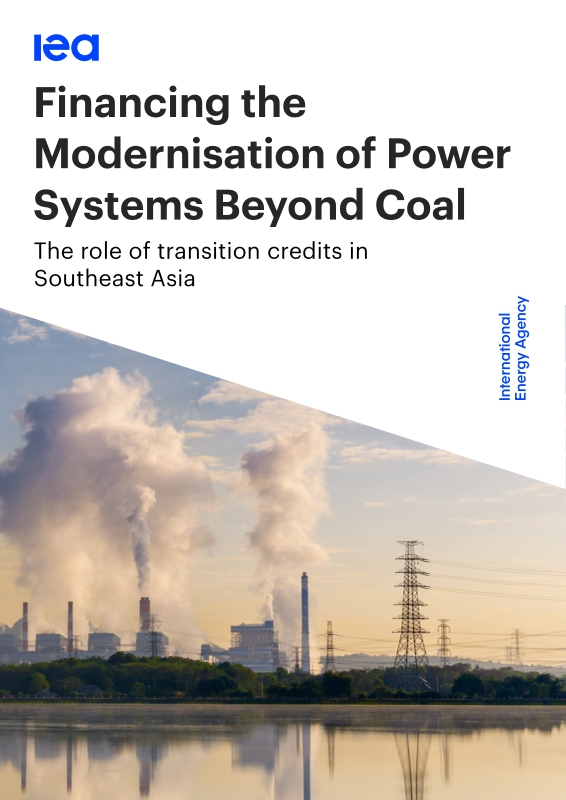
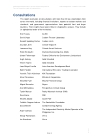
Title page 1
Contents 7
Abstract 3
Acknowledgements, contributors and credits 4
Executive summary 8
Chapter 1. The role of coal in power systems 14
Overview 14
Context 16
Chapter 2. Coal transition strategies 24
Levers for reducing emissions from existing coal plants 24
Scaling up alternative sources of electricity 26
Coal transitions demand large-scale investment 31
Chapter 3. Transition credits 36
How transition credits translate emissions reductions into performance-based revenues 36
Aligning transition credits with national transition pathways is difficult but essential 45
Transition credits should also align with high-integrity carbon markets principles 50
Significant transition credit demand is yet to build up, with the most potential coming from compliance markets 55
Chapter 4. Recommendations 59
1. Policy formulation 60
2. Power systems planning 61
3. Transition credit methodologies 62
4. Investment 67
Annex 69
Regional and country groupings 69
Abbreviations and acronyms 72
Figure 1.1. Electricity demand in the Announced Pledges Scenario, 2015-2035 16
Figure 1.2. Change in electricity generation by fuel and evolution of coal share in power systems by region, 1990-2024 17
Figure 1.3. Electricity generation by source in the APS in selected regions 19
Figure 1.4. Coal-fired capacity additions 1990-2024 and age distribution of existing coal-fired power plants in 2024 in developing Asia 21
Figure 1.5. Coal transition policies (as of April 2026) and share of coal in electricity generation in EMDE in Asia 22
Figure 2.1. CO₂ emissions from existing coal-fired power plants and mitigation levers in the Announced Pledges Scenario 25
Figure 2.2. Change in electricity generation by source and country/region in the Announced Pledges Scenario, 2000-2050 27
Figure 2.3. Capacity required relative to 1 GW of coal to maintain electricity generation and system adequacy in Southeast Asia, by technology... 28
Figure 2.4. Replacing electricity generation and the contribution to system adequacy of existing unabated coal power plants in Southeast Asia... 29
Figure 2.5. Total cost of electricity per unit consumed for hybrid options of wind, solar PV and battery in the United States, Europe and China 30
Figure 2.6. Breakdown of annual average energy investment in power plants in the Announced Pledges Scenario, 2025-2050 32
Figure 2.7. Total electricity system costs by component and by country/region in the Announced Pledges Scenario, 2023-2050 34
Figure 3.1. Projected captive power CO₂ emissions in Indonesia by JETP Scenario 43
Boxes 29
Box 2.1. Cost-competitive system portfolios for replacing coal 29
Box 2.2. Affordability and employment towards a just transition 33
Box 3.1. Piloting the application of transition credits in the South Luzon Thermal Energy Corporation coal plant 39
Box 3.2. Co-operating under Article 6 of the Paris Agreement 49
*표시는 필수 입력사항입니다.
| 전화번호 |
|---|
| 기사명 | 저자명 | 페이지 | 원문 | 기사목차 |
|---|
| 번호 | 발행일자 | 권호명 | 제본정보 | 자료실 | 원문 | 신청 페이지 |
|---|
도서위치안내: / 서가번호:

우편복사 목록담기를 완료하였습니다.
*표시는 필수 입력사항입니다.
저장 되었습니다.
