대표어
 https://www.oecd.org/en/publications/artificial-intelligence-and-work-organisation_5a208f6b-en.html
권호기사보기
| 기사명 | 저자명 | 페이지 | 원문 | 기사목차 |
|---|
결과 내 검색
동의어 포함
Title page 1
Contents 8
Résumé 5
Abstract 6
Acknowledgements 7
Executive summary 10
Synthèse 12
Zusammenfassung 14
1. Introduction 16
1.1. What is work organisation and why does it matter? 16
1.2. Why AI may have an impact on work organisation 16
2. Data 18
2.1. The Survey of Adult Skills (PIAAC) 18
2.2. The European Working Conditions Survey 18
2.3. The OECD AI Exposure Measure 19
3. Recent trends in work organisation 20
3.1. There has been a decline in physical and manual work 20
3.2. Monotonous and administrative tasks are on the rise 21
3.3. Workers spend more time solving problems 21
3.4. Information-processing tasks have become more common 22
3.5. Some aspects of worker discretion, autonomy and decision making have improved 23
3.6. Collaboration, teamwork and communication have become more common 25
3.7. Some aspects of job quality have improved, though not all 25
4. The impact of AI on work organisation: Literature review 27
4.1. Tasks and task allocation 27
4.2. Worker discretion, autonomy and decision making 29
4.3. Collaboration, teamwork and communication 30
5. The impact of AI on work organisation: New evidence from PIAAC and EWCS 32
6. Conclusion 37
References 38
Annex A. Sample sizes 43
Notes 45
Table 1. Regression results, PIAAC 35
Table 2. Regression results, EWCS 36
Tables 9 Figures 9Figure 1. Changes in manual and physical work 20
Figure 2. Changes in monotonous and administrative tasks 21
Figure 3. Changes in problem solving 22
Figure 4. Changes in information-processing tasks 23
Figure 5. Changes in worker discretion and autonomy (Survey of Adult Skills) 24
Figure 6. Changes in worker discretion and autonomy (ECWS) 24
Figure 7. Changes in teamwork and communication 25
Figure 8. Changes in job quality 26
Boxes 30
Box 1. Algorithmic management and its implications for work organisation 30
Table A A.1. Survey of Adult Skills sample sizes 43
Table A A.2. European Working Conditions Survey sample sizes 44
Annex Tables 9*표시는 필수 입력사항입니다.
| 전화번호 |
|---|
| 기사명 | 저자명 | 페이지 | 원문 | 기사목차 |
|---|
| 번호 | 발행일자 | 권호명 | 제본정보 | 자료실 | 원문 | 신청 페이지 |
|---|
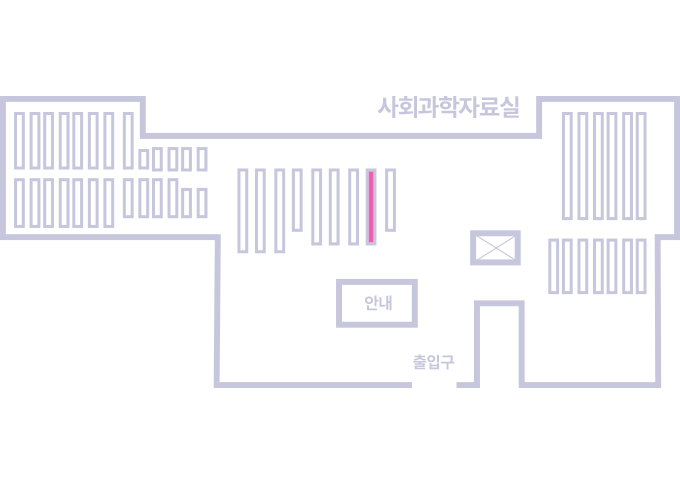
도서위치안내: / 서가번호:
우편복사 목록담기를 완료하였습니다.
*표시는 필수 입력사항입니다.
저장 되었습니다.