
 대표어
대표어
 한국학술지인용색인(NRF)
권호기사보기
| 기사명 | 저자명 | 페이지 | 원문 | 기사목차 |
|---|
결과 내 검색
동의어 포함
목차
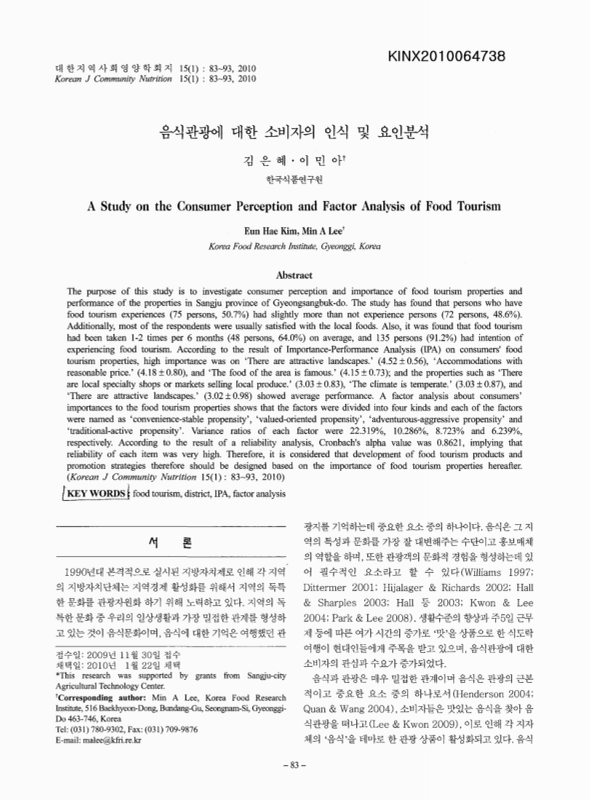
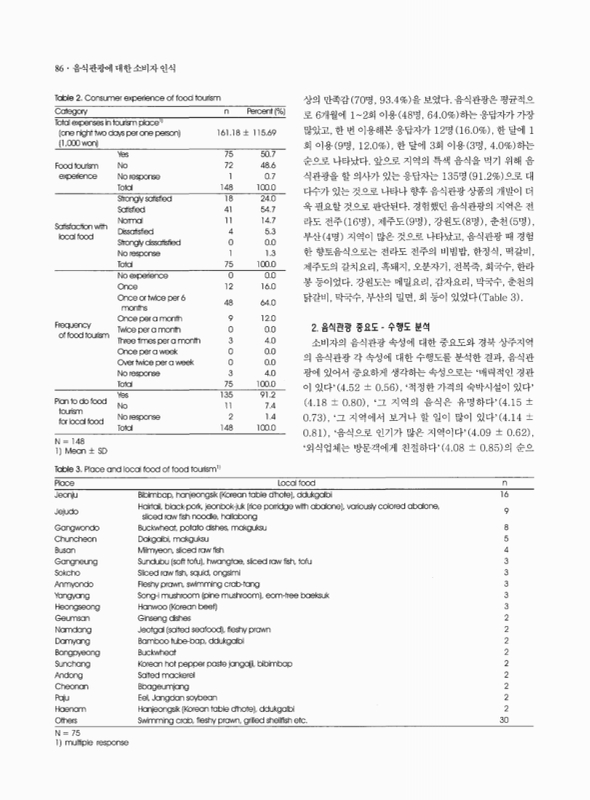
음식관광에 대한 소비자의 인식 및 요인분석 / 김은혜 ; 이민아 1
Abstract 1
서론 1
조사대상 및 방법 3
1. 조사 대상 및 기간 3
2. 조사 내용 및 방법 3
3. 통계 분석 방법 3
결과 3
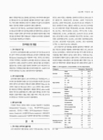
1. 조사 대상 소비자의 일반사항 3
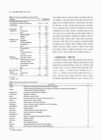
2. 음식관광 중요도·수행도 분석 4
3. 음식관광 요인 분석 5
고찰 8
요약 및 결론 10
참고문헌 10
| 기사명 | 저자명 | 페이지 | 원문 | 목차 |
|---|---|---|---|---|
| 삼척 지역 아동과 청소년의 영양소, 식품군별 섭취 및 DQI-I를 기준으로 한 식사의 질 평가 | 김미현 ;배윤정 | pp.1-14 |
|
보기 |
| 군산시 중년여성의 체지방률에 의한 비만도 분류에 따른 영양소 섭취와 혈중지질에 관한 연구 | 장혜순 | pp.15-26 |
|
보기 |
| 과체중 및 비만 여성의 혈청지질 및 식이섭취실태와 혈청 Adiponectin 농도와의 상관성 연구 | 이미영 ;김정희 | pp.27-35 |
|
보기 |
| 초등학생의 당, 나트륨, 지방 섭취 저감화를 위한 교육용 웹사이트 및 e-learning system 개발 | 김형우 ;이경애 ;조은진 ;채종찬 ;김유경 ;이성숙 ;이경혜 | pp.36-49 |
|
보기 |
| 동영상을 활용한 영양교육이 초등학생의 영양지식, 식습관 및 식품기호도에 미치는 영향 | 김경아 ;이연경 | pp.50-60 |
|
보기 |
| 체중조절 프로그램을 통한 비만 아동의 비만도, 혈중지질 및 영양소섭취량의 변화 | 이은주 ;김경희 | pp.61-72 |
|
보기 |
| 12주 체중조절 프로그램이 성인 여성의 BMI, 영양지식, 체력 및 스트레스 개선에 미치는 효과 | 김경희 | pp.73-82 |
|
보기 |
| 음식관광에 대한 소비자의 인식 및 요인분석 | 김은혜 ;이민아 | pp.83-93 |
|
보기 |
| 영양교육, 급식 만족도, 잔반, 정신적·신체적 건강에 관한 자각증상간의 관련성 :대전지역 일부 초등학생을 중심으로 | 권순자 ;성순정 ;이선영 | pp.94-107 |
|
보기 |
| 고등학생의 학교급식 만족도와 메뉴 선호도 :전북 익산시를 중심으로 | 이경화 ;박은숙 | pp.108-123 |
|
보기 |
| 위탁급식 산업체 영양사의 직무 현황 및 교육 요구도 분석 | 양정현 ;이해영 | pp.124-136 |
|
보기 |
| 일부 보육교사의 영양지식과 식생활태도 및 영양교육 요구 조사 | 최경숙 | pp.137-148 |
|
보기 |
| 번호 | 참고문헌 | 국회도서관 소장유무 |
|---|---|---|
| 1 | Choi YJ, Won CS (2007): Plan to introduce Korean food culture as a tourism product. Korean J Hotel Resort Casino Research 6(1): 157-166 | 미소장 |
| 2 | Chung BW, Chin AN (2008): A study on the effect of tourism satisfaction on destination choice attributes of Chinese tourist in Korea. Cultural Economics Res 11(2): 47-71 | 미소장 |
| 3 | Developmental diorama.  |
미소장 |
| 4 | Henderson JC (2009): Food tourism reviewed. British J Food 111(4): 317-326 | 미소장 |
| 5 | Jang HJ (2003a): A study on Italian local food and culture. Korean J Culinary Res 9(4): 203-220 | 미소장 |
| 6 | Kim BI, Oh YJ (1998): A study on traditional foods in Kwangju and Chunnam areas. Korean J Tourism Information Res 2: 195-226 | 미소장 |
| 7 | Kim KS (2005): Sangju dried persimmon special zone. Urban Problem 40(443): 80-84 | 미소장 |
| 8 | Lim CG, Kim JC (2006): The effect of Korea-Chile FTA to the agricultural economy of Sang-ju district & the roll of Nonghyup. Korea J Cooperative Studies 23(2): 135-160 | 미소장 |
| 9 | Culinary Tourism: A Folkloristic Perspective on Eating and Otherness |
미소장 |
| 10 | Park BR (2000): Development of tourist foods merchandising using traditional indigenous foods of Inje-Gun. Korean J Tourism Res Collection 12: 123-144 | 미소장 |
| 11 | Williams J (1997): We Never Eat Like This at Home: Food on Holiday. In: Caplan P ed. Food, Health and Identity, Routledge, London | 미소장 |
| 12 | Son YJ (2005): A study on the need of development for tourism merchandising of regional cuisine in Kyunggi province. Tourism Res 21: 211-226 | 미소장 |
| 13 | Hall CM (2003): Wine, Food and Tourism Marketing. The Haworth Hospitality Press, New York | 미소장 |
| 14 | Developmental diorama. |
미소장 |
| 15 | Ha MO (2005): A Study on the Recognition and Preference of Inhabitants for Local Foods in Ulsan Area. MS thesis, Graduate School of Yeungnam University | 미소장 |
| 16 | Henderson JC (2004): Food as a tourism resources: a view from Singapore. Tourism Recreation Res 29(3): 69-74 | 미소장 |
| 17 | Park JW, Lee DW (2008): Awareness of local food menus development in Gangwon-do. Korea J Tourism and Hospitality Res 22(1): 179-190 | 미소장 |
| 18 | A Study of Residents‘ Recognition and Tourism Merchandising Intention of Native Local Foods in Yeongcheon Region | 소장 |
| 19 | Assessing Relative Importance of Korean Traditional Food Tour Program Attributes Based on Conjoint Analysis | 소장 |
| 20 | Seo TY (1999): Cultural Tourism. Daewangsa, Seoul | 미소장 |
| 21 | Chang HJ, Yang IS, Chung LN, Shin SY (2004): The study on the present status of overseas and domestic tourism products focusing on traditional foods. Korean J Food Culture 19(4): 392-398 | 미소장 |
| 22 | Lee JC, Nam TY (2006): Recognition & preference of traditional foods. Korean J Tourism Information Res 24: 1-22 | 미소장 |
| 23 | Lee SH, Park YB (2002): Tour experience program development a utilizable cooking peculiar of an Andong locality. Korean J Culinary Res 8(3): 147-168 | 미소장 |
| 24 | Seo YJ (2005): A Study of Satisfaction of Japanese Tourists for Korean Traditional Food to Korea. MS thesis, Department of Tourism Graduate School, Gyeongju University | 미소장 |
| 25 | Sangju City Hall (2009): http://www/sangju.go.kr | 미소장 |
| 26 | Yang IS, Chang HJ, Shin SY, Chung LN (2004): Inbound tourism product development of Korean traditional food culture. J Foodservice Management Society Korea 7(3): 87-116 | 미소장 |
| 27 | Min KH (2009): A study on the types of local restaurant management and the activation of food tourism -focused on Jeonju area-. Korean J Culinary Research 15(1): 47-58 | 미소장 |
| 28 | Seol BS (2005): The sociocultural context of the periodic market in the Sangju region. Korean J Local History and Local Culture 8(1): 281-319 | 미소장 |
| 29 | Lee JY, Kwon MY (2009): Effects of involvement of food tourists' on participation in food tourism activities and behavioral intention. Korean J Tourism Management Res 13(2): 177-198 | 미소장 |
| 30 | A Comparison of the Importance and Satisfaction for the Popularization and Merchandising of Local Foods in the Ulsan Area |
미소장 |
| 31 | Lee SH (2006): On the programs of green tourism involving the traditional cuisine of Gwangju/Chonnam provinces. Korean J Culinary Research 12(1): 68-81 | 미소장 |
| 32 | Quan S, Wang N (2004): Towards a structural model of the tourist experience: an illustration from food experiences in tourism. Tourism Management 25: 297-305 | 미소장 |
| 33 | Kwon SJ, Lee JH (2004): Development of native local foods of the northern part of Gyongsang-Bukdo and their commercialization. Tourism Res 19: 49-60 | 미소장 |
| 34 | IPA를 활용한 한국음식의 중요도와 만족도 분석 : 한국인과 외국인 비교를 중심으로 | 소장 |
| 35 | Kim CJ, Lee JH (1998): A study on traditional Korean food as a cultural tourism product. Korean J Hotel Business Res 7(1): 163-188 | 미소장 |
| 36 | Kim DH (1998): Literature review on food culture by tourism resources in Korea. Korean J Tourism Information Res 2: 287-304 | 미소장 |
| 37 | Wolf E (2002): Culinary Tourism: A Tasty Economic Proposition. www.culinarytourism.org | 미소장 |
| 38 | Korea Tourism Organization (1997): Korea a Journey to Exotic Tastes | 미소장 |
| 39 | Jang HJ (2003b): The culture of food -the making of Euroup. Korean J Foodservice Management Society 6(2): 209-211 | 미소장 |
| 40 | Lee SJ (2005): A Study on the Recognition and Preference for Traditional Regional Foods. MS thesis, Graduate School of Traditional Culture and Arts Sookmyung Women's University | 미소장 |
| 41 | Long LM (2004): Culinary Tourism. 1st ed. The University Press of Kentukey, Lexington | 미소장 |
| 42 | Hall CM, Mitchell R (2001): Wine and Food Tourism. In N. Douglas, N. Douglas and R. Derrett. Special Interest Tourism. Wiley, New York | 미소장 |
| 43 | Boniface P (2003): Tasting Tourism: Travelling for Food and Drink. Ashgate, Aldershot | 미소장 |
| 44 | Dittermer P (2001): Dimensions of the Hospitality Industry. 3rd ed, Wiley, New York | 미소장 |
| 45 | Evaluation |
미소장 |
| 46 | Hijalager AM, Richards G (2002): Tourism and Gastronomy. Routledge, London | 미소장 |
| 47 | Kim JH (2001): A study on the problems and improvements for cultural development in local midium-small city; The case study on Sang-Ju city. Korean Government Society, 2001 Spring Symposium. pp. 95-117 | 미소장 |
*표시는 필수 입력사항입니다.
| 전화번호 |
|---|
| 기사명 | 저자명 | 페이지 | 원문 | 기사목차 |
|---|
| 번호 | 발행일자 | 권호명 | 제본정보 | 자료실 | 원문 | 신청 페이지 |
|---|
도서위치안내: 정기간행물실(524호) / 서가번호: 국내03
2021년 이전 정기간행물은 온라인 신청(원문 구축 자료는 원문 이용)

우편복사 목록담기를 완료하였습니다.
*표시는 필수 입력사항입니다.
저장 되었습니다.
