
 대표어
대표어
 한국학술지인용색인(NRF)
권호기사보기
| 기사명 | 저자명 | 페이지 | 원문 | 기사목차 |
|---|
결과 내 검색
동의어 포함
목차
대기업집단 출자총액제한제도에 대한 재무금융적 평가 / 趙成旭 ; 金明愛 ; 余垠姃 ; 李建範 ; 이기영 ; 김용진 ; 양준모 ; 이영섭 1
요약 1
I. 서론 2
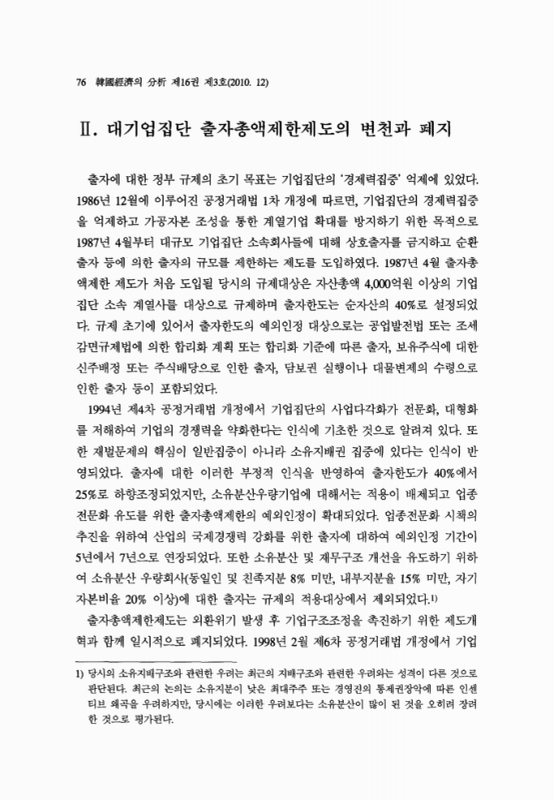
II. 대기업집단 출자총액제한제도의 변천과 폐지 4
III. 출자총액제한제도에 대한 기존 연구 9
1. 국가경제 내 경제력 집중을 억제하는가? 9
2. 기업 내에서 소유권과 의결권 괴리도 증가를 억제하는가? 10
3. 실물 투자를 위축시키는가? 12
IV. 출자총액제도와 투자 효율성 15
1. 계열사 출자 유형과 투자 효율성 16
2. 출자 기업의 동기와 투자 효율성 19
3. 피출자 기업의 동기와 투자 효율성 22
V. 대기업 지배구조 개선에 대한 평가 25
1. 소유 지배 괴리도에 대한 평가 25
2. 사외이사 제도 운영에 대한 평가 27
3. 기관투자자에 대한 평가 29
4. 경영권시장의 활성화 30
VI. 내부자본시장 거래와 관련한 공시제도 31
VII. 논문의 요약 및 정책 제안 32
참고문헌 35
Abstract 37
지정토론 / 여은정 39
지정토론 / 이건범 42
일반토론 / 이기영 ; 김용진 ; 이건범 ; 양준모 ; 이영섭 ; 조성욱 ; 김명애 46
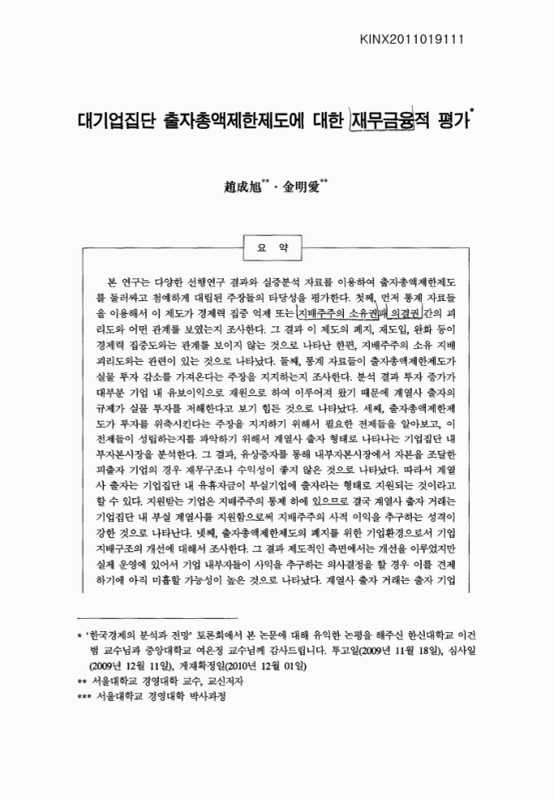
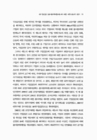
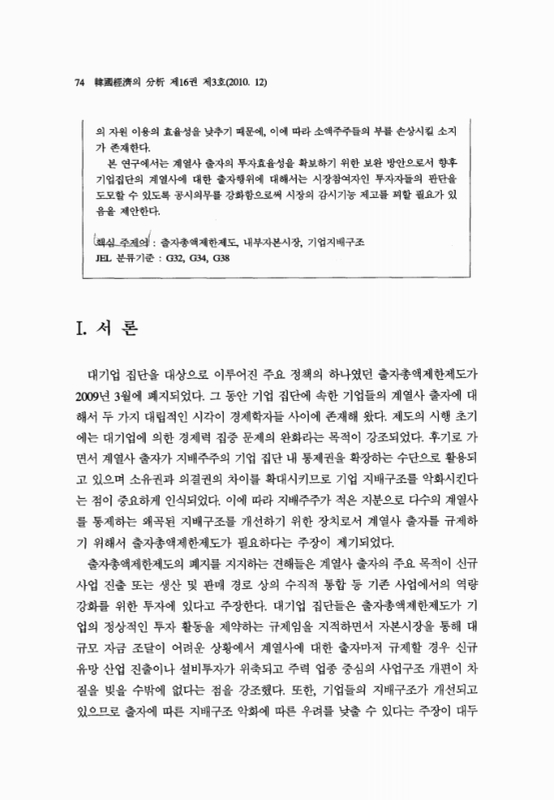
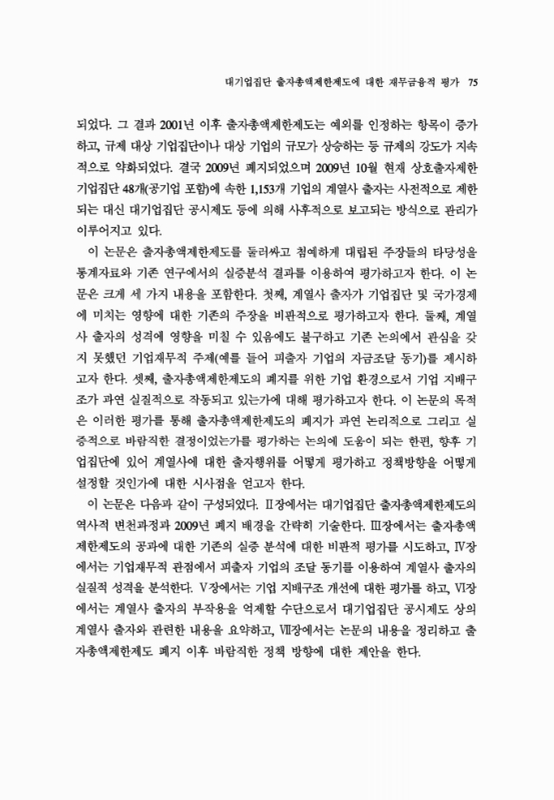
본 연구는 다양한 선행연구 결과와 실증분석 자료를 이용하여 출자총액제한제도를 둘러싸고 첨예하게 대립된 주장들의 타당성을 평가한다. 첫째, 먼저 통계 자료들을 이용해서 이 제도가 경제력 집중 억제 또는 지배주주의 소유권과 의결권 간의 괴리도와 어떤 관계를 보였는지 조사한다. 그 결과 이 제도의 폐지, 재도입, 완화 등이 경제력 집중도와는 관계를 보이지 않는 것으로 나타난 한편, 지배주주의 소유 지배 괴리도와는 관련이 있는 것으로 나타났다. 둘째, 통계 자료들이 출자총액제한제도가 실물 투자 감소를 가져온다는 주장을 지지하는지 조사한다. 분석 결과 투자 증가가 대부분 기업 내 유보이익으로 재원으로 하여 이루어져 왔기 때문에 계열사 출자의 규제가 실물 투자를 저해한다고 보기 힘든 것으로 나타났다. 세째, 출자총액제한제도가 투자를 위축시킨다는 주장을 지지하기 위해서 필요한 전제들을 알아보고, 이 전제들이 성립하는지를 파악하기 위해서 계열사 출자 형태로 나타나는 기업집단 내부자본시장을 분석한다. 그 결과, 유상증자를 통해 내부자본시장에서 자본을 조달한 피출자 기업의 경우 재무구조나 수익성이 좋지 않은 것으로 나타났다. 따라서 계열사 출자는 기업집단 내 유휴자금이 부실기업에 출자라는 형태로 지원되는 것이라고 할 수 있다. 지원받는 기업은 지배주주의 통제 하에 있으므로 결국 계열사 출자 거래는 기업집단 내 부실 계열사를 지원함으로써 지배주주의 사적 이익을 추구하는 성격이 강한 것으로 나타난다. 넷째, 출자총액제한제도의 폐지를 위한 기업환경으로서 기업 지배구조의 개선에 대해서 조사한다. 그 결과 제도적인 측면에서는 개선을 이루었지만 실제 운영에 있어서 기업 내부자들이 사익을 추구하는 의사결정을 할 경우 이를 견제하기에 아직 미흡할 가능성이 높은 것으로 나타났다. 계열사 출자 거래는 출자 기업의 자원 이용의 효율성을 낮추기 때문에, 이에 따라 소액주주들의 부를 손상시킬 소지가 존재한다.
본 연구에서는 계열사 출자의 투자효율성을 확보하기 위한 보완 방안으로서 향후 기업집단의 계열사에 대한 출자행위에 대해서는 시장참여자인 투자자들의 판단을 도모할 수 있도록 공시의무를 강화함으로써 시장의 감시기능 제고를 꾀할 필요가 있음을 제안한다.| 기사명 | 저자명 | 페이지 | 원문 | 목차 |
|---|---|---|---|---|
| 아시아-태평양 지역에서의 통화국제화 :평가와 전망 | 白承官 ;吳龍協 ;文宇植 ;崔景旭 | pp.1-71 |
|
보기 |
| 대기업집단 출자총액제한제도에 대한 재무금융적 평가 | 趙成旭 ;金明愛 ;余垠姃 ;李建範 | pp.73-122 |
|
보기 |
| 우리나라 기업의 퇴직연금 선택요인에 관한 연구 | 權純元 ;韋勍宇 ;金봄이 ;姜昌熙 ;李相珉 | pp.123-181 |
|
보기 |
| 금융위기 이후의 재정정책 방향 :재정건전성 논의를 중심으로 | 李萬雨 ;朴時賢 ;全瑛俊 ;田炳睦 | pp.183-238 |
|
보기 |
| 번호 | 참고문헌 | 국회도서관 소장유무 |
|---|---|---|
| 1 | 출자총액규제와 대규모기업집단의 투자 | 소장 |
| 2 | 김선구․류근관․빈기범․이상승,「출자총액제한제도의 바람직한 개선방향」, 『서울대학교 기업경쟁력 연구센터』, 2003. | 미소장 |
| 3 | 김현종․이인권,「계열사 출자 및 실물 투자관계에 관한 실증연구」,『국제경제연구』, 한국경제연구원, 2005. | 미소장 |
| 4 | 김현종․이인권 ․이철송․조성봉․최충규,「기업지배구조와 출자규제 제도의 법리적, 실증적 연구」, 한국경제연구원, 2005. | 미소장 |
| 5 | 10 Years After the 1997 Crisis: Evolution, Problem, and Future of Chaebol Policy | 소장 |
| 6 | The Inefficiency of Internal Capital Markets: An Analysis of the Equity Investment Behavior of the Large Business Groups in Korea | 소장 |
| 7 | 97 year crisis and the economic power concentration ; focused on general cencentration | 소장 |
| 8 | 이윤호,「재벌의 재무구조와 자본조달」, 나남출판사, 2005. | 미소장 |
| 9 | 출자총액제한제도와 타법인출자의 장기효과에 관한 실증연구 : 내재가치를 이용한 사건연구기법을 중심으로 | 소장 |
| 10 | Tunneling or Value Added? Evidence from Mergers by Korean Business Groups  |
미소장 |
| 11 | Business Groups and Tunneling: Evidence from Private Securities Offerings by Korean Chaebols |
미소장 |
| 12 | Bebchuk, Lucian, Reinier Kraakman, and George Triantis, “Stock Pyramids, Cross- Ownership and Dual Class Equity: The Mechanismsand Agency Costs of Separating Control from Cash Flow Rights”, Randall Morck, ed.: Concen- trated Corporate Ownership, National Bureau of Economic Research, 2000. | 미소장 |
| 13 | The separation of ownership and control in East Asian Corporations |
미소장 |
| 14 | Jang, Hasung, Woojin Kim, and Young Kyung Ko, “New Equity Issues in Emerging Economy: Do They lead to Real Investments?”, Working Paper, 2009. | 미소장 |
| 15 | Theory of the firm: Managerial behavior, agency costs and ownership structure |
미소장 |
| 16 | Joh, Sungwook, and Meong Ae Kim, “Why do Business Groups use Internal Capital Markets? Evidence from Newly issued Equity Transactions”, Working Paper, 2009. | 미소장 |
| 17 | Joh, Sungwook, and Young Kyung Ko, “Examination of Success and Failure of Corporate Reform”, KDI Conference, 2009. | 미소장 |
| 18 | Johnson, Simon, Rafael La Porta, Florencio Lopez-De-Silanes, and Andrei Shleifer, “Tunneling”, American Economic Review Vol.90 No.2, 2000, pp.22-27. | 미소장 |
| 19 | Is Group Affiliation Profitable in Emerging Markets? An Analysis of Diversified Indian Business Groups |
미소장 |
| 20 | Internal Capital Markets and the Competition for Corporate Resources |
미소장 |
| 21 | 고동수․조현승․박민수,「출자총액제한제도와 기업투자의 관계」, 산업연구원, 2006. | 미소장 |
| 22 | 기업집단의 내부자본시장과 투자의사결정 |
미소장 |
| 23 | 논단 : 최근 재벌의 출자행태와 정책적 시준점 |
미소장 |
| 24 | Bebchuk, Lucian, Reinier Kraakman and George Triantis, “Stock Pyramids, Cross- ownership and Dual Class Equity: The Mechanismsand Agency Costs of Separating Control from Cash Flow Rights”, Randall Morck, ed.: Concentrated Corporate Ownership, National Bureau of Economic Research, 2000. | 미소장 |
| 25 | Internal Capital Markets and the Competition for Corporate Resources |
미소장 |
| 26 | 출자총액규제와 대규모기업집단의 투자 | 소장 |
| 27 | 김현종․이인권,「계열사 출자 및 실물 투자관계에 관한 실증연구」,『국제경제연구』, 한국경제연구원, 2005. | 미소장 |
| 28 | The Inefficiency of Internal Capital Markets: An Analysis of the Equity Investment Behavior of the Large Business Groups in Korea | 소장 |
| 29 | Lee, Dong Gull and Keonbeom Lee, “The Dark Side of Internal Capital Allocation: the Case of Korean Chaebols”, Seoul Journal of Economics Vol.15 No.2, 2002, pp.321-368. | 미소장 |
| 30 | From diversification premium to diversification discount during institutional transitions |
미소장 |
| 31 | Maksimovic, Vojislav and Gordon Phillips, “Conglomerate Firms and Internal Capital Markets”, in Handbook of Corporate Finance : Empirical Corporate Finance, ed. by Eckbo.B,E , Elsevier, 2007. | 미소장 |
*표시는 필수 입력사항입니다.
| 전화번호 |
|---|
| 기사명 | 저자명 | 페이지 | 원문 | 기사목차 |
|---|
| 번호 | 발행일자 | 권호명 | 제본정보 | 자료실 | 원문 | 신청 페이지 |
|---|
도서위치안내: / 서가번호:

우편복사 목록담기를 완료하였습니다.
*표시는 필수 입력사항입니다.
저장 되었습니다.
