Preface Chapter 1: Law by Algorithm Chapter 2: The Rise ofRobots and the Law ofHumans Chapter 3: Machine Performance and Human Failure: How Shall We Regulate Autonomous Machines? Chapter 4: Down by Algorithms? Siphoning Rents, Exploiting Biases, and Shaping Preferences: Regulating the Dark Side of Personalized Transactions Chapter 5: Robot Liability Chapter 6: Robot, Inc.: Personhood for Autonomous Systems? Chapter 7: Liability for Artificial Intelligence: A Proposal ofthe European Parliament Chapter 8: Self-Driving Corporations? Chapter 9: What Is an Arbitration? Artificial Intelligence and the Vanishing Human Arbitrator Chapter 10: Digital Dispute Resolution Originally published Index
이용현황보기
Law by algorithm 이용현황 표 - 등록번호, 청구기호, 권별정보, 자료실, 이용여부로 구성 되어있습니다.
등록번호
청구기호
권별정보
자료실
이용여부
0002904830
LM 343.0999 -A22-16
서울관 법률정보센터(206호)
북큐레이션 (자료실내 이용)
출판사 책소개
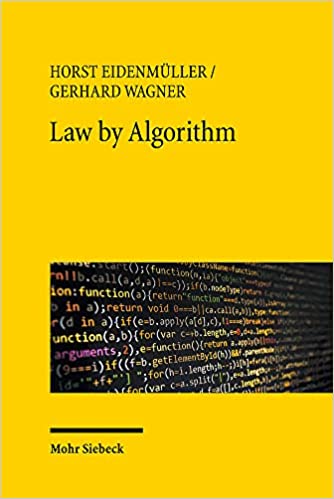
Digitization, blockchain technology and Artificial Intelligence (AI) are fundamentally changing the fabric of societies, influencing lawmaking, legal scholarship and legal practice. The authors of this volume investigate the real-world developments that can be observed in this process, how established legal doctrines are being challenged, the regulatory issues societies face as a result, and how AI can be used in lawmaking and adjudication. By analyzing these four interrelated areas, the authors discuss conceptual issues of regulating AI, examine the impact of new technologies on commercial transactions and corporate governance, investigate civil liability rules for AI applications and explore key features and problems of digital dispute resolution. A recurring theme is that although "Law by Algorithm" might massively increase overall societal welfare, it runs the significant risk of benefitting only a few. To make it work for the good of all is a mammoth task - and one this volume hopes to contribute to. "AI's capabilities have made enormous recent leaps; many expect it to transform how the economy operates. In particular, activities relying on human knowledge to create value, insulated until now from mechanisation, are facing dramatic change. This is impacting the legal system in two directions simultaneously: the automation of processes, and the development of legal governance for automation. Eidenmueller and Wagner here present a thought-provoking and insightful treatment of a number of key issues that are engaged. It will be essential reading for lawyers, scholars, and policymakers wishing to understand and participate in these developments." (John Armour) "AI has the potential for ground-breaking changes to our economy and society, but also to its private law framework. This book provides an extremely thought-provoking contribution to the thinking towards the private law for the digital economy." (Dirk Staudenmayer)