
 대표어
대표어
권호기사보기
| 기사명 | 저자명 | 페이지 | 원문 | 기사목차 |
|---|
결과 내 검색
동의어 포함
| 등록번호 | 청구기호 | 권별정보 | 자료실 | 이용여부 |
|---|---|---|---|---|
| 0003070524 | LM 344.046 -A24-8 | 서울관 법률정보센터(206호) | 이용가능 |

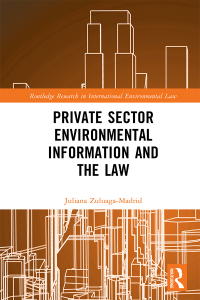
Current advancements in civil rights and environmental activism emphasize the crucial importance of making environmental information widely available to the public, regardless of whether it is in the hands of the government or of corporations, especially when the information is needed to understand and prevent risks for human health and the environment. In the wake of a resurgence of environmental and civil rights activism, conflicts flare between the right of the people to know and the right of private actors to keep certain information hidden, mostly for commercial reasons. This book offers a detailed comparative analysis of how environmental information is being accessed in different countries and jurisdictions, and how these issues are currently being handled by judges and governments. Focusing on the right of access to environmental information held and produced by private actors and the legal issues that emerge when other values and rights are compromised, this book offers an alternative framework to improve on current legal systems, suggesting a more nuanced and balanced approach that takes both set of interests duly into consideration. Providing an integrated approach to public environmental law and private commercial law, the book integrates the arguments from both sides to establish a common ground, defining shared principles and models that provide a solid basis for a robust new system. Reviewing access to private sector information at a truly international level, this book will be relevant to students, academics and practitioners working in these areas.
Current advancements in civil rights and environmental activism emphasize the crucial importance of making environmental information widely available to the public, regardless of whether it is in the hands of the government or of corporations.
*표시는 필수 입력사항입니다.
| 전화번호 |
|---|
| 기사명 | 저자명 | 페이지 | 원문 | 기사목차 |
|---|
| 번호 | 발행일자 | 권호명 | 제본정보 | 자료실 | 원문 | 신청 페이지 |
|---|
도서위치안내: 법률정보센터(206호) / 서가번호: 5

우편복사 목록담기를 완료하였습니다.
*표시는 필수 입력사항입니다.
저장 되었습니다.
