
 대표어
대표어
권호기사보기
| 기사명 | 저자명 | 페이지 | 원문 | 기사목차 |
|---|
결과 내 검색
동의어 포함
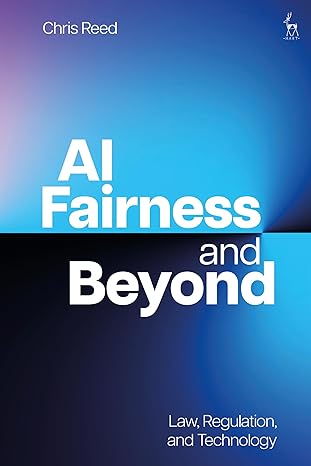
No one wants to be the subject of an unfair decision made by an AI, and fairness is so important to society that we are likely to want to regulate to demand it. But how? This book attempts to answer that question.
The aim of regulation must be for an AI's decisions to match the human conception of fairness. To understand what that is, the book proposes a holistic understanding of fairness, which tells us what regulation must try to achieve.
However, regulation is not an abstract activity – it regulates how humans behave, and the humans in question are those who develop and use AI for decision-making. Thus the book investigates how those humans are attempting to achieve AI fairness. It finds that there is a serious mismatch between how technologists conceptualise fairness, compared to other humans. How can AI regulation bridge this gap?
Traditional models of regulation cannot solve this problem. Fairness is too nuanced, too contextual, and is ultimately a human emotional response. Instead the book proposes to place the responsibility on the AI community to explain and justify their efforts to achieve fairness, basing regulatory and legal responses on how well that explanation deals with the risks that particular AI presents, and whether the AI operates in accordance with the explanation in use.
The book concludes by examining how far this regulatory model might be useful for some of the other social problems which AI generates. An original and significant contribution to the literature on AI regulation, this book is a must-read for those working in the areas of law, regulation, and technology.
| 등록번호 | 청구기호 | 권별정보 | 자료실 | 이용여부 |
|---|---|---|---|---|
| 0003170454 | LM 343.0999 -A25-7 | 서울관 법률정보센터(206호) | 북큐레이션 (자료실내 이용) |

*표시는 필수 입력사항입니다.
| 전화번호 |
|---|
| 기사명 | 저자명 | 페이지 | 원문 | 기사목차 |
|---|
| 번호 | 발행일자 | 권호명 | 제본정보 | 자료실 | 원문 | 신청 페이지 |
|---|
도서위치안내: 법률정보센터(206호) / 서가번호: 5

우편복사 목록담기를 완료하였습니다.
*표시는 필수 입력사항입니다.
저장 되었습니다.
