
 대표어
대표어
권호기사보기
| 기사명 | 저자명 | 페이지 | 원문 | 기사목차 |
|---|
결과 내 검색
동의어 포함
| 등록번호 | 청구기호 | 권별정보 | 자료실 | 이용여부 |
|---|---|---|---|---|
| 0003174744 | LM 341.48 -A25-5 | 서울관 법률정보센터(206호) | 이용가능 |

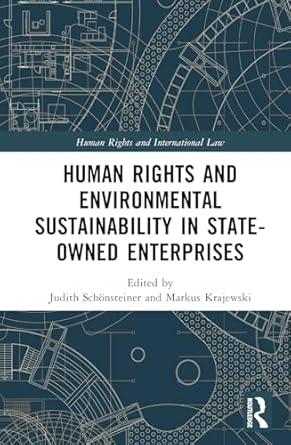
This book presents case studies on the human rights performance of state-owned enterprises from four Latin American and three European countries, as well as foreign investments by Chinese state-owned enterprises on these continents. State-owned enterprises are considered among some of the worst perpetrators of contamination and corporate human rights violations around the globe, both domestically and abroad. This volume examines whether companies implement the UN Guiding Principles on Business and Human Rights and how their state owners regulate or incentivize their human rights compliance. Studies cover different sectors ranging from finance to extractives and air transport in Brazil, Chile, China, Ecuador, Finland, France, Germany, and Mexico and allow contrasts between companies from countries with different degrees of human rights regulation, including due diligence and supply chain laws. The work shows that states are rather hesitant to implement the UN Guiding Principles “leading by example.” The book will be essential reading for academics, researchers, and policy-makers working in the areas of international human rights law, comparative administrative law, and corporate social responsibility.
This book presents case studies on the human rights performance of state-owned enterprises from four Latin American and three European countries. It examines whether companies implement the UN Guiding Principles on Business and Human Rights and how their state owners regulate or incentivize their human rights compliance.
*표시는 필수 입력사항입니다.
| 전화번호 |
|---|
| 기사명 | 저자명 | 페이지 | 원문 | 기사목차 |
|---|
| 번호 | 발행일자 | 권호명 | 제본정보 | 자료실 | 원문 | 신청 페이지 |
|---|
도서위치안내: 법률정보센터(206호) / 서가번호: 4

우편복사 목록담기를 완료하였습니다.
*표시는 필수 입력사항입니다.
저장 되었습니다.
