본문 바로가기 주메뉴 바로가기
국회도서관 홈으로 정보검색 소장정보 검색

결과 내 검색

동의어 포함

목차보기


Introduction
The Changes That Herald This Book: Exploring the Growing Scope and Impact of Collaborative Family-Making
Current Law: The Frame of Acquisition
The New Approach: The Frame of Interconnection
Part I Family-Making Collaboration
1 Introducing Family-Making Collaborators
Who Are Family-Making Collaborators? What Is a Family-Making Collaboration?
Why Are Family-Making Collaborators and Collaborations Important?
Legal Treatment of Collaborators
The Methodology of This Book
2 Gamete and Fertilized Egg Contributors
Legal Treatment of Gamete and Fertilized Egg Contributions
The Commercial Market for Gamete and Fertilized Egg Contributions
Secrecy and Openness Surrounding Gamete and Fertilized Egg Contributions
Health Concerns Regarding Gamete and Fertilized Egg Contributions
Empirical Accounts of the Lived Experience of Gamete and Fertilized Egg Contributions
3 Domestic Surrogate Motherhood
Legal Treatment of Surrogate Motherhood
The Commercial Market for Surrogate Motherhood
Health and Liberty Concerns Regarding Surrogate Mothers
Secrecy and Openness Surrounding Surrogate Motherhood
Empirical Accounts of the Lived Experience of Surrogate Motherhood
4 International Surrogate Motherhood
Legal Treatment of International Surrogate Motherhood
The Commercial Market for International Surrogate Motherhood
Health and Liberty Concerns Regarding International Surrogate Motherhood
Empirical Accounts of the Lived Experience of International Surrogate Motherhood
5 Domestic Adoption
Legal Treatment of Domestic Adoption
The Commercial Nature of Domestic Adoption
Secrecy and Openness Surrounding Domestic Adoption
Empirical Accounts of the Lived Experience of Modern Domestic Adoption
6 Intercountry Adoption
Legal Treatment of Intercountry Adoption
The Commercial Nature of Intercountry Adoption
Secrecy and Openness Surrounding International Adoption
Empirical Accounts of the Lived Experience of International Adoption
7 Multiple Parenthood and Functional Parenthood
Children of Nonmarriage
Stepparents and Multiple Fathers
Secrecy, Openness, and Child Well-Being Surrounding Nonmarriage and Multiple Father Cases
Accounting for Money in Nonmarriage, Multiple Father, and Stepparent Cases
Grandparents and Other Kin Caregivers
Same-Sex Couples Parenting with Biological Collaborators
Legal Recognition of Functional Parenthood
Empirical Accounts of the Lived Experience of Multiple and Functional Parenthood
8 Foster Parents
Legal Treatment and Social Welfare Goals of the Foster System
Legal Treatment of Foster Parents
The Commercial Nature of Foster Care
Empirical Accounts of the Lived Experience of Foster Parenting
9 Grandparents and Kin Caregivers
Grandparents
The Law of Grandparent Visitation
Empirical Accounts of the Lived Experiences of Multi-Generational Households
Kin Caregivers: Law and Experiences
Secrecy and Openness in Extended Kin Relationships
Should Kin Caregivers Be Considered Collaborators?
Part II The Legal Frame of Acquisition for Family-Making Collaboration
10 Legal and Ethical Dilemmas in the Law of Collaborative Family-Making: The Disconnect between the Acquisitional Frame and the Lived Experience of Collaborative Family-Making
Summary of Principles
Who Are Collaborators?
Commerciality
Secrecy and Openness
Health and Well-Being
The Lived Relational Experience of Collaborations
Disconnect between the Law and the Lived Experience of Collaboration
Commerciality as a Conduit for Making Sense of the Disconnect
11 The Nature of Acquisition: Secrecy and Exclusivity
Secrecy in Family-Making Collaboration
Secrecy Due to Legal Invalidity of Non-Genetic Parenthood
Secrecy to Hide Infertility and to Create the Appearance of Biological Kinship
Secrecy Due to Shame and Furtive Nature of Pregnancy outside of Marriage
Secrecy Due to the Impact of “Impurity” (or Infidelity) on Children
Secrecy as a Function of Choice, Inequality, and Economic Power
Exclusivity in Parental Legal Status
The Meaning of Exclusivity
Exclusivity as Parental Rights
Exclusivity as Power and Control
12 The Ethical Harms of the Acquisitional Frame
Commodification
Exploitation
Limiting Concerns Regarding Commodification and Exploitation
Violation of Human Dignity and Alienation of Human Connections
Part III The Legal Frame of Interconnection for Family-Making Collaboration
13 The Legal Framework of Interconnection
Introducing the Alternate Legal Framework of Interconnection
How the Law Can Implement Interconnection and Protect Relationships?
Ethical and Pragmatic Benefits of the Legal Framework of Interconnection
Interconnection Unravels the Disconnect between Acquisition and Relational Realities, Promoting Human Dignity and Sheltering Vulnerability
Interconnection Staves Off Fears of Commodification and Exploitation
Interconnection Facilitates Increased Availability of Collaborators, Quality Caregivers, and Quality Care for Children
Interconnection Prevents Fraud and Abuse
Interconnection Can Facilitate Charity, Wealth Transfer, and Good Will Across Nations
Interconnection Gives Children a Sense of Self and Identity
Interconnection Facilitates Health
14 The Nature of Interconnection: Openness and Multiplicity
Openness in Collaborative Family-Making
Openness as Embracing Complexity
Addressing Concerns and Making Room for Limited Exceptions
Multiplicity in Family Law: Disaggregating Parenthood
The Importance of Flexibility in Legal Definitions of Parenthood
Differentiation Is a Fundamental Part of Multiplicity
Hierarchy in Adult–Child Relationships
15 Children’s Rights
The Singularity of Children’s Rights
Children’s Rights as Relational Rights
Children’s Rights within the Legal Frame of Interconnection
Index

이용현황보기

Families, relational attachments, and the law of collaborative family-making 이용현황 표 - 등록번호, 청구기호, 권별정보, 자료실, 이용여부로 구성 되어있습니다.
등록번호 청구기호 권별정보 자료실 이용여부
0003187801 LM 346.015 -A25-2 서울관 법률정보센터(206호) 북큐레이션
(자료실내 이용)

출판사 책소개

알라딘제공

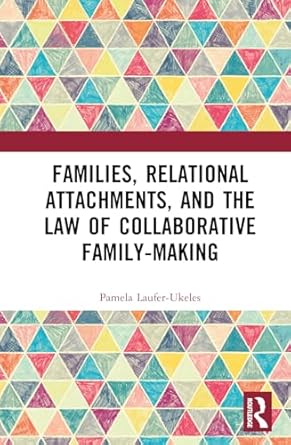
This book points to a crisis at the heart of modern family law’s treatment of “collaborative family-making”: gamete contributions, surrogate motherhood, adoption, functional parenthood, foster care, and kin caregiving. Born of inequality and anchored by exclusivity and secrecy, the dominant legal framework governing collaborative family-making focuses on the acquisition of collaborative services by legal and intended parents without expecting or fostering any lasting bonds between them. This acquisitional framework is starkly disconnected from empirical accounts of the lived experience of collaborations, which demonstrate complex and ongoing relational attachments that extend beyond a transactional moment. At the intersection of law and sociology, the book is to account for relational realities that fail to conform to neat legal categories of parent and stranger, asking: How should the law reflect the complex interconnections between families and family-making collaborators?  Should collaborators be treated as legal strangers? Who is impacted by the lack of legal status possessed by family-making collaborators? Who benefits and who loses? Ultimately, this is a work of optimism that seeks to facilitate family-making collaborations in more ethical ways by insisting that family law recognize and support family-making collaborators. It introduces a bold new legal framework of interconnection and guides the reader in implementing practical legal and contractual changes that promote human dignity, uphold children’s right to identity, and support ongoing relational attachments with adults who are fundamental to children’s lives. The volume provides deep and accessible insight into families and family law for legal practitioners, academics, students, and laypersons interested in family-making collaboration.


Pointing to legal and ethical dilemmas, this book?presents a crisis in modern family law's treatment of collaborative family-making: gamete contributions, surrogate motherhood, adoption, functional parenthood, foster care, and kin caregiving. It challenges the law to account for relational realities that fail to conform to legal categories.


