
 대표어
대표어
권호기사보기
| 기사명 | 저자명 | 페이지 | 원문 | 기사목차 |
|---|
결과 내 검색
동의어 포함
| 등록번호 | 청구기호 | 권별정보 | 자료실 | 이용여부 |
|---|---|---|---|---|
| 0003191052 | 306.0951 -A25-2 | 서울관 국가전략정보센터(107호) | 이용가능 |

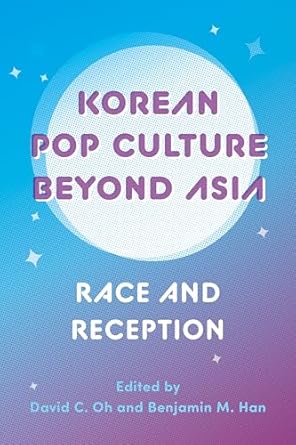
Showcases the dynamism of cross-cultural engagement with Korean media
Korean media has exploded in popularity across the globe in the past decade: BTS and other K-pop groups have packed stadiums, Parasite garnered record-breaking critical success, The Masked Singer and Single's Inferno became viral TV hits, and multiday KCON fan events have highlighted not only media but Korean food, cosmetics, and fashion. Exploring how fans from different cultural and racial backgrounds engage with Korean media in local and individual contexts, this edited collection reveals complex transcultural affinities, conflicts, and negotiations. The essays delve into the ways people create meaning from, and shape affinity to, Korean television and music. The book also explores Korean popular culture's influence on audiences' imaginative play, desires, and fantasies, critically examining topics such as TikTok as a space of Asian fetishization, Black YouTubers' K-pop reaction videos, the perception of Korean men in opposition to European hegemonic masculinity, and Middle Eastern fans' responses to appropriation in K-pop. Throughout, the contributors provide perceptive analyses that reveal what the interplay of race and Korean entertainment tells us about the complex nature of transnational fandom.
*표시는 필수 입력사항입니다.
| 전화번호 |
|---|
| 기사명 | 저자명 | 페이지 | 원문 | 기사목차 |
|---|
| 번호 | 발행일자 | 권호명 | 제본정보 | 자료실 | 원문 | 신청 페이지 |
|---|
도서위치안내: 국가전략정보센터 / 서가번호: 4

우편복사 목록담기를 완료하였습니다.
*표시는 필수 입력사항입니다.
저장 되었습니다.
